
Are Glass Baby Bottles Safe? Here Are the Pros and Cons
Glass bottles are making a comeback. Here's how to decide if they're a good fit for your baby.

By
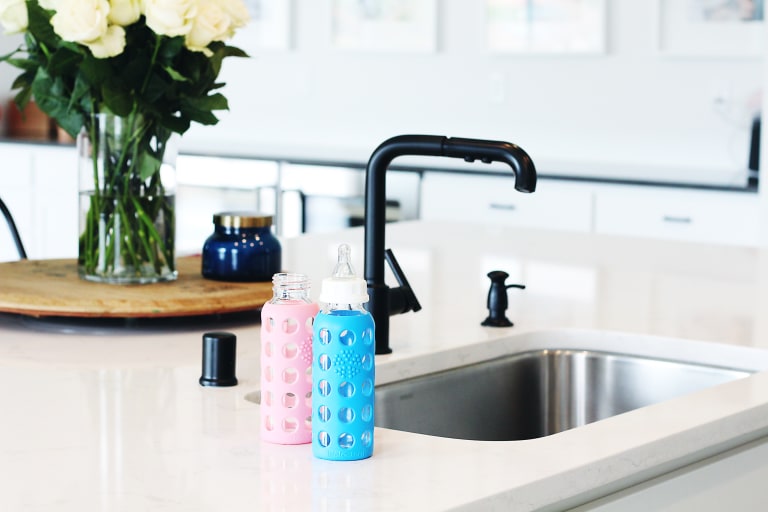
When it comes to choosing a bottle for your baby, you may be surprised just how many features there are to consider, including the pros and cons of things like different materials.
Most baby bottles on the market today are made of either plastic, silicone or glass, and while glass fell out of style for bottles around the ‘70s, it’s been seeing a comeback in the past few years. In fact, when we surveyed over 10,000 Babylist parents in 2025, half of them reported using glass bottles.
But even with glass bottles having their moment, anything made of glass is still heavy and fragile, so some new parents might be wondering if they’re the safest option when compared to plastic or silicone. We talked to Dr. Perry Sheffield, a pediatrician and environmental health researcher, to weigh in on the benefits, downsides and safe use guidance of glass baby bottles to help new parents make the best choice for their family’s needs.
If you’re considering glass, here’s what to know about its heat resistance, chemical safety, durability and when glass bottles may—or may not—fit your routine.
When it comes to chemical stability and heat tolerance, experts agree that glass is generally the safest option compared to silicone and plastic. Unlike plastic, glass won’t break down or release particles when heated, and it won’t lose its integrity over time.
That said, glass is one of the heavier bottle materials (along with stainless steel), and also the most fragile—two important factors to consider, given that bottles are something your baby will be using frequently, and good things to keep in mind if your family is on the go a lot.
Let’s break it down further.
Pro: Glass won’t leach chemicals
Here’s where glass bottles really shine. If your main concern around baby bottle materials is chemical stability (that it won’t shed chemicals or microplastics into your baby’s food), experts agree that glass is the strongest and safest. “Our understanding is that in comparing plastics, silicone and glass, glass is generally the most stable,” Dr. Sheffield says. “Glass doesn’t shed small particles, and it contains the least amount of added chemicals that can be released when the material is exposed to heat, certain substances or begins to break down.”
That means that no matter how often you sterilize them or put them through the dishwasher or bottle warmer, glass baby bottles won’t release unwanted substances into your baby’s milk or formula. (Keep in mind that this doesn’t go for non-glass parts like nipples, collars or anti-colic vents, which need to be removed before heating the bottle).
Pro: Glass won’t degrade over time
Even when they’re not repeatedly exposed to high heat, plastic and silicone bottles can get cloudy, discolored or brittle or hold onto odors over time. Glass, on the other hand, can last practically forever, according to environmental experts.
So while pediatricians typically recommend replacing plastic baby bottles every three to six months due to how they degrade, glass bottles can safely be used as hand-me-downs across multiple children. That’s exactly what one Babylist parent told us: “Since they’re glass, I was able to save them from baby to baby without concern of the plastic being too old.”
A note about color tints and coatings
As infinitely renewable as glass can be, not all glass bottles are created equal. According to Dr. Sheffield, additives like color tints or special coatings may not hold up as well as plain glass. “It would depend on what is in the coatings, [but] simpler is often safer in reducing the risk of health-harming exposures,” she says. So if you’re looking for the most chemically safe, stable bottle option, it’s a good idea to stick to clear, untinted bottles without decorative coatings.
Con: Glass doesn’t bounce, it breaks
The biggest downside of glass bottles: they can break. They’re also heavier than plastic or silicone bottles. They may feel sturdier in your (adult) hand, but they might be more difficult for your baby to hold. Not to mention that extra weight means the bottles will hit the floor with more force if dropped, and it’s no secret that babies are pros at tossing things from high chairs.
They won’t shatter into a million tiny pieces—most glass baby bottles are built from tempered glass, which is designed to be more durable than your average drinking glass. Think less wine glass and more Pyrex. But even with that kind of durability, a hard drop—especially on tile or concrete—can cause a break, while falls onto softer flooring like carpet or some wood may not.
When glass bottles do break, they tend to get small chips near the collar or the base or get hairline cracks, but it’s still important to clean up carefully and stop using the bottle immediately. If fragility is your main concern, you can reduce the risk of breaks by using hybrid glass bottles with a protective outer shell or by slipping a silicone sleeve over your bottle (more on both of those options below).
So while glass bottles are sturdy enough for everyday feeding and cleaning, cracks and chips can still happen, especially if dropped. Plastic and silicone are much more likely to bounce, so if you’ve got a thrower on your hands or if you’re particularly worried about fragility, glass may not be the best option for your baby.
How to use glass baby bottles safely
Even though glass bottles are the safest option for heat exposure, they require more caution when it comes to the potential for breakage. Here’s how to minimize the risks:
Check for breaks often
Always check glass bottles after any kind of drop, even if they look intact. Hairline cracks can put the structural integrity of the entire bottle in jeopardy, so be sure to inspect thoroughly.
Besides that, it’s a good idea to periodically check glass bottles for cracks or chips even if you didn’t witness it being dropped. And at the first sign of any kind of break, it’s time to recycle it (yes, it can go in your regular curbside recycling can!).
Consider plastic bottles for travel
Speaking of the weight and fragility of glass bottles, you may want to consider a lighter, less breakable material if your family is often on the go. Glass baby bottles can weigh anywhere from three to nine ounces more than plastic ones, so families who travel frequently, rely on daycare or just like to be out and about may find that extra weight in the diaper bag to be impractical.
You can always opt to use glass bottles while at home, and then use lightweight plastic or silicone bottles as a backup for outings or daycare.
Use protective sleeves
A protective sleeve—usually made from silicone or neoprene—won’t make your glass bottle indestructible, but it helps cushion drops and adds grip (an especially good feature for babies who prefer to hold their own bottles). You can buy silicone baby bottle sleeves separately, but some glass bottles are sold with sleeves included, like these parent favorites:
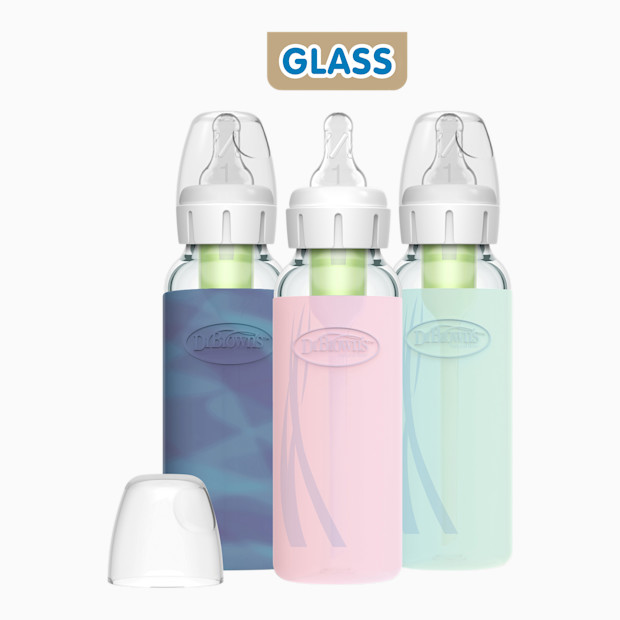
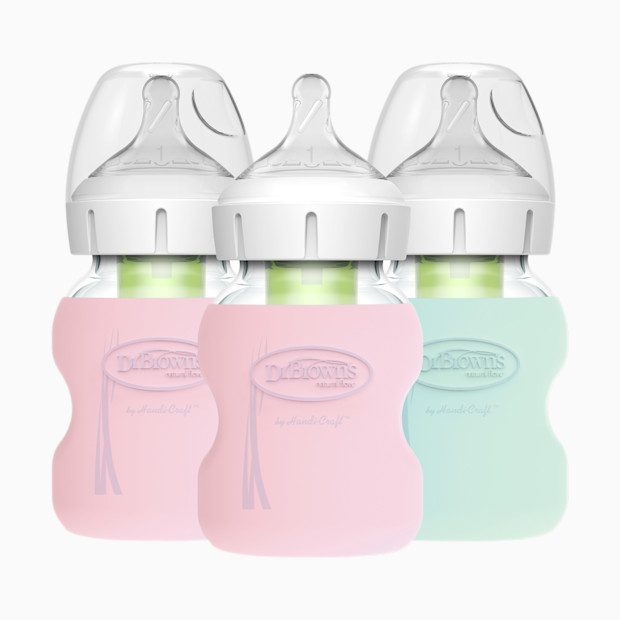
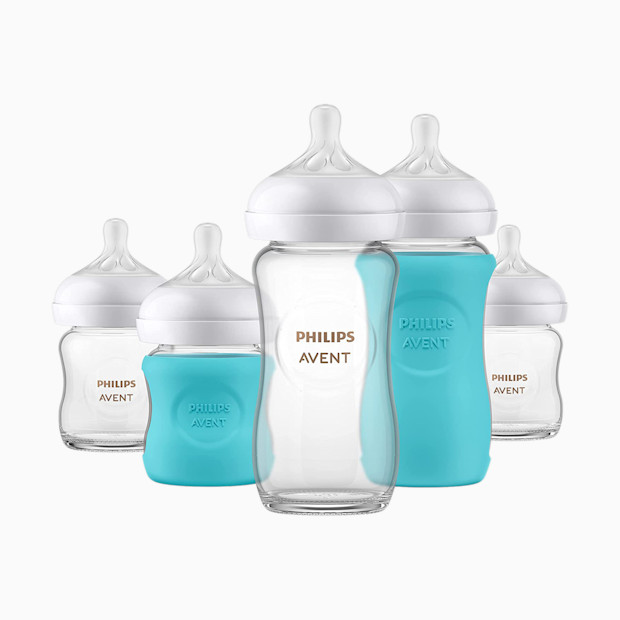
And if you buy a bottle sleeve separately, keep in mind that you’ll need to make sure it fits the bottles you have, since they come in so many shapes and sizes.


Get travel-friendly bottle carriers
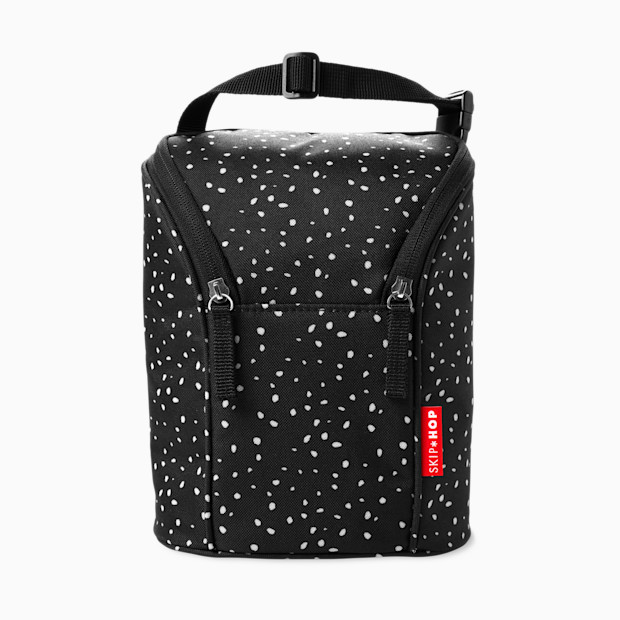
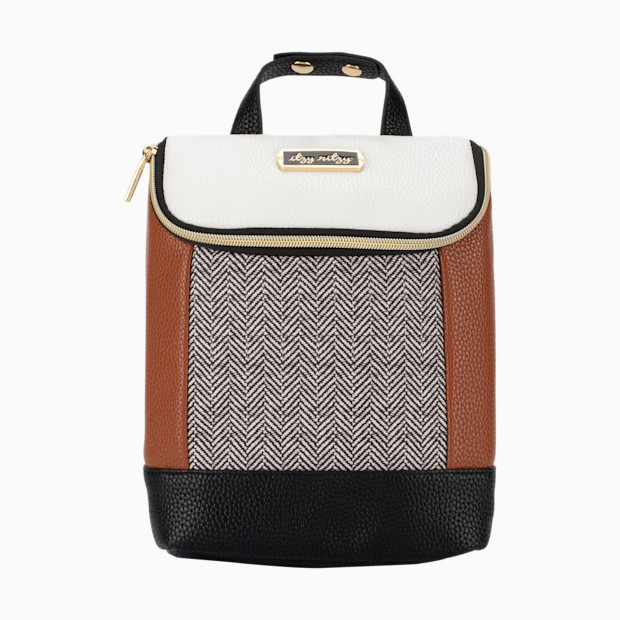
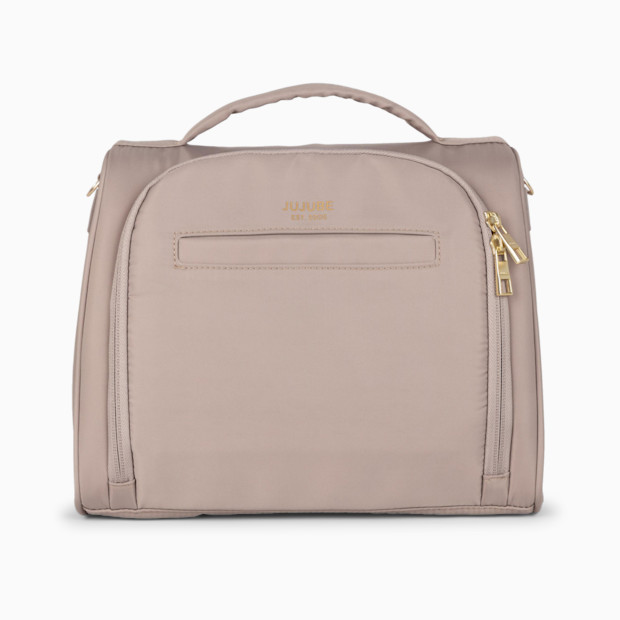
If you don’t mind the extra weight of glass bottles, keeping them in a padded bottle carrier can help protect them against chipping and cracking. Some bottle carriers come with straps to make them easy to carry on their own, or you can fit them in your diaper bag. And they’re insulated, too, so breast milk and formula always stay at safe temperatures.
Try hybrid glass bottles
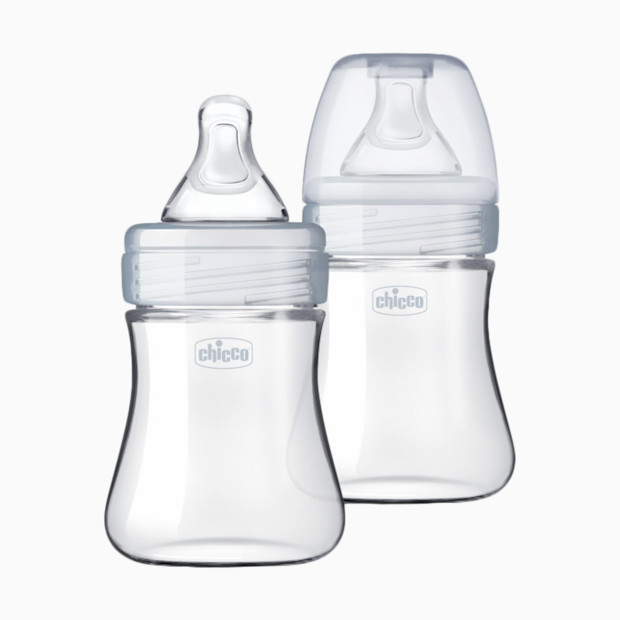
If you’re not looking to buy extra accessories for your glass bottles, consider going with hybrid bottles instead. These innovative bottles have a 100% glass interior with a protective plastic outer shell, so you get the best of both worlds: the heat resistance and chemical safety of glass and the shatter resistance of plastic.
Even if you frequently run hybrid bottles through a bottle sterilizer or other source of high heat, baby’s milk or formula only ever touches the glass interior, so you’re not risking exposure to chemical leaching.


;)
;)
;)
;)
;)
;)
;)
;)
;)
;)