
Baby Bottles Compared: Glass Vs. Plastic Vs. Silicone
We're comparing bottle materials by heat resistance, durability and safety to help you find what works for your baby.

By
When it comes to choosing bottles for your baby, there are several things to think about— anti-colic vents, nipple flow, nipple shape and bottle size are all important considerations, but one thing that’s been on a lot of parents’ minds lately is bottle material.
Baby bottles are mainly made from three materials: plastic, silicone or glass. Which material a bottle is made out of plays a role in how durable it is, and depending on how some parents feel about plastic, safety can be a factor, too.
Plastic has dominated the baby bottle market since the 1970s, and silicone has had a major rise in popularity in the last 20 years. But glass bottles are making a comeback—in our 2025 survey of over 10,000 Babylist parents, 50% said they’re using glass bottles now, compared to 41% in 2024.
The material you choose plays a role in how durable a bottle is—and for many parents, it can also factor into safety considerations. That’s why we’re breaking down (no pun intended) the differences between bottle materials. With the help of experts Dr. Perry Sheffield, a pediatrician and environmental health researcher, and environmental chemist Dr. Christopher Reddy, we’ll explain how each material handles heat and general wear and tear, so you can decide for yourself what types of bottles will work best for your baby.
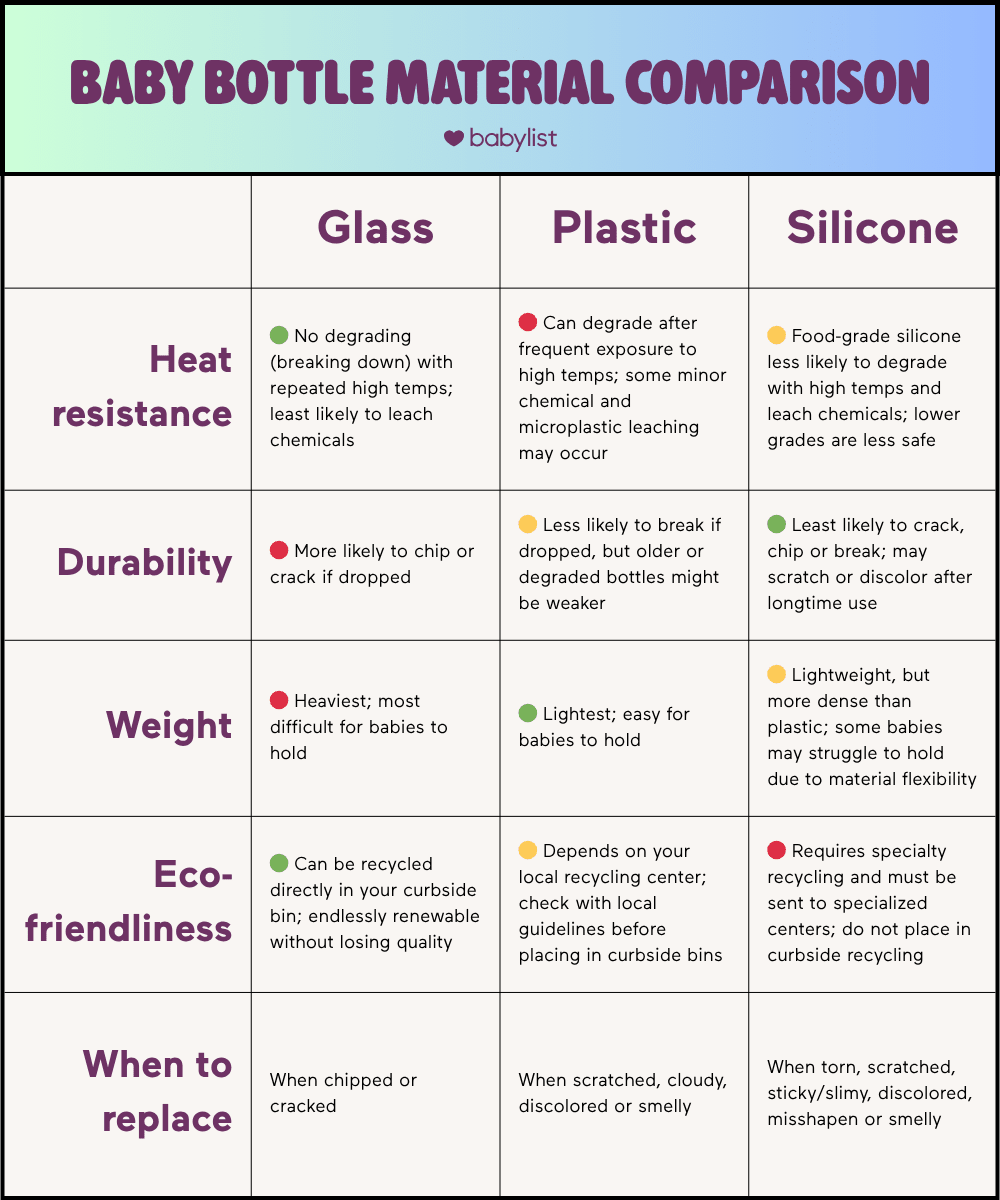
Before we get into the nitty-gritty, here’s a quick overview of what to know about each type of baby bottle material:
Baby Bottle Material Comparison
Heat Resistance
From the moment you open the packaging, baby bottles go through a lot. It’s strongly recommended by pediatricians that you sterilize bottles before giving them to your baby to make sure they’re as germ-free as possible—and that means exposing the bottle material to really high temperatures.
Beyond that, even if you don’t sterilize your bottles regularly, they still get washed in hot water or the dishwasher and put through bottle warmers, and all that heat can cause some materials to degrade (weaken from their solid form and break down into microscopic particles).
So what does that mean for different types of bottles? “Our understanding is that in comparing plastics, silicone and glass, glass is generally the most stable,” Dr. Sheffield says. “Glass doesn’t shed small particles, and it contains the least amount of added chemicals that can be released when the material is exposed to heat, certain substances or begins to break down.”
Here’s how all three materials stack up against each other when it comes to heat exposure:
Glass bottles can handle bottle washers, sterilizers, boiling water and dishwashers without degrading in durability—they won’t melt, become fragile or get cloudy. And like Dr. Sheffield said, they also leach fewer chemicals, even after repeated exposure to high heat.
Silicone bottles are fairly heat-stable too, but quality matters. Food-grade silicone can withstand heat up to 450 degrees Fahrenheit without compromising its durability or degrading. Be sure to only use food-grade silicone baby bottles, since lower-grade silicone is more likely to leach chemicals when exposed to high heat, Dr. Sheffield says.
Plastic bottles are the most vulnerable to heat. Even BPA-free plastic bottles can shed microplastics and leach endocrine-disrupting chemicals over time, especially if they’re frequently exposed to heat and then scrubbed. Any high temperatures, including the microwave, dishwasher, bottle sterilizers and high settings on bottle warmers, can affect plastic, Dr. Reddy says.
If your baby prefers their bottles warm or if you’re planning to wash bottles in the dishwasher or sterilize them frequently, it’s worth thinking about how your bottles will stand up to that routine.
Durability (AKA Wear & Tear)
Bottles don’t last forever—especially plastic and silicone ones. And sometimes, it’s fairly easy to tell when bottles have been through too much, thanks to visible wear and tear.
Each material has its own unique signs that it’s time to be replaced, regardless of whether it’s been broken, has degraded due to overexposure to heat or is simply old.
Plastic bottles are pretty durable if dropped or tossed around; they’re not likely to crack easily. They need to be replaced if the bottles are scratched, cloudy or smelly. Even if your plastic bottles seem fine, pediatricians recommend replacing them after six months of frequent use.
Silicone bottles are the most durable, since they’re flexible yet dense. They’re the least likely to break if dropped, though repeated exposure to high heat can cause them to scratch or tear easier. Silicone bottles should be replaced if they get torn or scratched, feel sticky, lose shape or discolor.
Glass bottles are the most breakable (remember that “glass doesn’t bounce,” Dr. Reddy says), but they’ll also last the longest as far as general wear and tear. As long as you’re careful with them, glass bottles can last years—they aren’t likely to chip or crack just due to age and frequent use. But as soon as you spot a chip or crack, it’s time to replace them. One thing to keep in mind: you may be able to put silicone sleeves over glass bottles to help protect against impact, and there are also hybrid bottles (glass inside, plastic outside) that are sturdier than plain glass.
That’s a lot of talk about replacing bottles just for things that are a little worn out. What’s the big deal? “Plastic, including silicone, that’s worn or old has higher potential of exposing people to small particles that have rubbed off of the product or to chemicals that have leached out,” Dr. Sheffield says. “Signs like discoloration, odor or cloudiness can all signify wear and tear that we’re learning can expose people to particles.” So it’s not just an aesthetics thing—it’s a safety thing.
Scratches and tears in silicone in particular can also increase the risk of choking hazards, since small bits of silicone break off. And chipped glass is, well, chipped glass; while worn-out glass bottles are less likely to be a risk of chemical exposure, sharp edges do pose an injury hazard.
If you’re considering getting your bottles secondhand, Dr. Sheffield points out that visible wear and tear isn’t the only indicator that bottles aren’t safe to use anymore. While shopping secondhand can be cost-saving, there’s no real way to be sure if used bottles are past their prime. “Shedding of particles or leaching of chemicals can occur in any stress conditions—heat or chemical exposures—even in the absence of obvious wear and tear,” Dr. Sheffield says.
The takeaway: If you’re unsure about a bottle’s age, history or condition, it’s probably best to replace it.
Eco-Friendliness
When it's time to replace your baby's bottles, different materials can’t all be recycled in the same ways. So it’s important to know how to dispose of them properly to ensure they don’t end up in landfills.
Glass bottles can usually be recycled in your regular household curbside can with all your other glass items. Just make sure they’re clean and that any silicone sleeves, internal pouches or other non-glass materials have been removed. And if you’re curious about the eco-friendliness, glass can be recycled over and over again without any reduction in quality, so it’s the most eco-friendly option of all the bottle materials—it's one of the main reasons why more parents are choosing glass bottles.
Plastic bottles are typically made from #5 or #7 plastic, which may not be accepted in your curbside recycling can. You’ll need to check with your local recycling program to see if you need to take them to a specific recycling center. If you just toss them in your curbside bin, these bottles are likely to end up in a landfill—but ensuring they’re properly recycled means they can be repurposed as other household items.
Silicone bottles unfortunately can’t go in your household recycling bins. Some specialty recycling facilities will take them, and a few brands offer take-back programs, so it’s worth checking before you toss these bottles in the landfill.
How to Use All Bottles Safely (While Still Being Practical)
There are pros and cons to every type of bottle material, and there are ways that each of them can introduce safety concerns. Silicone and plastic can degrade, crack, tear and risk chemical exposure. Glass bottles aren’t perfect either, since they can break if dropped, and they’re heavy.
Here’s how to ensure you’re using each type of bottle safely.
Glass Bottle Safety
Glass bottle safety really just boils down to don’t drop them—which is easier said than done if your baby likes to toss stuff from their high chair.
Like we mentioned earlier, you can mitigate the potential for cracks and chips by putting silicone sleeves over glass bottles. It doesn’t make them completely shatter-proof, but it’ll help protect them at least a little bit better if they’re dropped or tossed into a diaper bag. There are also hybrid glass bottles that have a plastic shell on the outside and 100% glass on the inside—since the milk or formula only ever touch the glass interior, they’re safe from leached chemicals.
Since glass bottles won’t break down with repeated exposure to high heat, it’s totally safe to put them in a sterilizer, bottle warmer or even the dishwasher. Just remember that any plastic, silicone or rubber parts—nipples, collars, anti-colic vents—should be left out of those high temp situations.
Plastic Bottle Safety
The conversation around the safety of plastic bottles is on a lot of parents’ minds right now, but let’s be real: not every parent can (or wants to) go entirely plastic-free, and that’s okay. When it comes to using plastic bottles safely, the main things are to avoid heat and keep an eye out for wear and tear.
Keep washing simple: just warm water and dish soap, Dr. Reddy says, plus a bottle brush and an unscented, dye-free dish soap. And avoid sterilizing plastic bottles and putting them in bottle washers or dishwashers if possible. Instead, Dr. Reddy encourages parents to get comfortable with bottles being “clean enough.” Use your best judgment, he says, and decide for yourself how clean your baby bottles need to be in order for you to feel that they’re safe for your baby to drink out of.
If you have a newborn or a preemie baby, or if you have limited access to clean water, your pediatrician might’ve recommended that you sterilize all of baby’s bottles regularly. Double check with baby’s doctor to see if they have any concerns with repeated sterilization of plastic bottles, or opt for glass or silicone for at least those early months.
The key with plastic bottles is finding a realistic balance between safety and practicality. “Completely removing plastic from our lives is not possible for most people, including myself and my family,” Dr. Sheffield says. With that in mind, she recommends trying to use safer alternatives (like glass bottles) when possible, while also understanding that reducing plastic use isn’t solely the responsibility of individuals—it’s a much broader issue overall.
Dr. Reddy agrees: you just have to do what works for your family. “There's only so much time in the day, there are only so many resources we have, and so we all make decisions for ourselves.” That might mean using only glass bottles, or only plastic or silicone, or having a few of each.
Silicone Bottle Safety
Silicone baby bottles can safely go in bottle warmers, sterilizers and the dishwasher since they’re more dense and heat-resistant than other plastic—especially if they’re made from high-quality, food-grade silicone.
They’re not as heat-resistant as glass, though. Prolonged exposure to very high temperatures (think repeated sterilizing, boiling or dishwashing over six to 12 months) can shorten a silicone bottle’s lifespan by weakening the material, making it more prone to scratches or small tears. These imperfections aren’t just cosmetic—scratches and tears can harbor bacteria or even lead to tiny pieces of silicone breaking off.
To make sure you’re using your silicone bottles safely, be sure to inspect them regularly for any signs of wear and tear, cloudiness or other changes to the way the material looks or feels, and replace the bottles at the first sign that something is off.
You can extend the life of your silicone bottles by treating them more like plastic bottles—hand-wash them in warm, soapy water with a soft bottle brush and avoid excessive heat—but if you need to sterilize them or run them through the dishwasher, the overall risk of the material breaking down is much lower.
No matter what type of bottle you choose, here’s what safe baby bottle use looks like in real life:
If you’ll be warming, sterilizing or using the dishwasher often, opt for glass or silicone bottles.
If choosing silicone bottles, go with food-grade silicone.
If using plastic bottles, avoid sterilizing or warming, and hand-wash only with warm water and soap.
Choose bottles from major, trusted brands.
Replace bottles at the first sign of wear and tear, if not sooner.
Replace plastic and silicone bottles regularly every six months, even if they look okay.
Avoid bottles with added coatings or colors (more on that below).
Trust your instincts—if a bottle seems off, replace it.
Frequently Asked Questions About Baby Bottle Materials
Is silicone safer than hard plastic?
“Yes, food-grade silicone is generally considered safer than many other types of plastic,” Dr. Sheffield says, since it can withstand much higher temperatures without releasing micro-particles. “However, some chemical leaching from silicone—particularly low-quality silicone—can occur after exposure to high temperatures or acidic or oily substances.”
Silicone bottles are a great happy medium between glass and plastic options. They’re way less fragile than glass, and they’re way more heat-resistant than plastic. To stay on the safer side, remember that not all silicone is created equal. Always go with reputable brands that use FDA-approved food-grade silicone, and always follow manufacturer instructions for heat limits to minimize potential chemical exposure.
Are colorful bottles safe?
Bottles with color tints might be cute, but added coatings and dyes may pose their own problems, even if the bottle base is glass (and therefore is the least likely to leach chemicals).
Dr. Sheffield says that additives like color tints could introduce extra safety concerns, especially when exposed to high temperatures. “It would depend on what is in the coatings, [but] simpler is often safer in reducing the risk of health-harming exposures,” she says.
That means opting for clear, uncoated bottles is usually the safer bet, even if it means passing up cute pastel options. If you do choose colored bottles, if the color starts to fade, peel or feel sticky, that’s your cue to swap it out.
The Best Glass, Plastic & Silicone Bottles
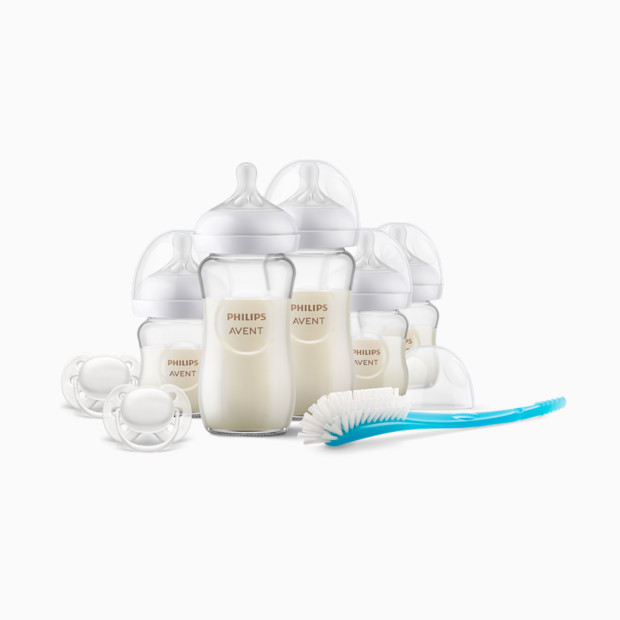
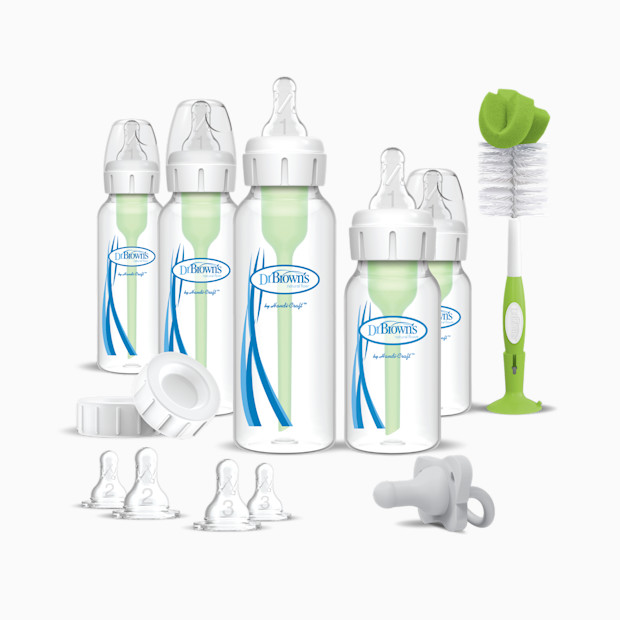
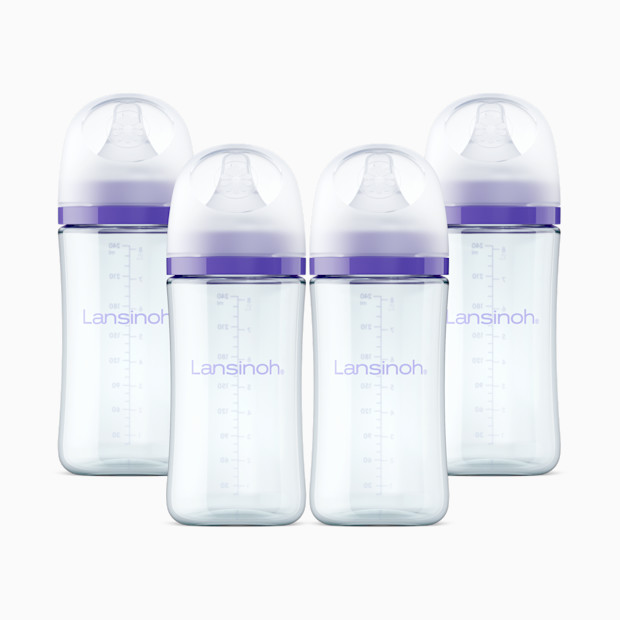
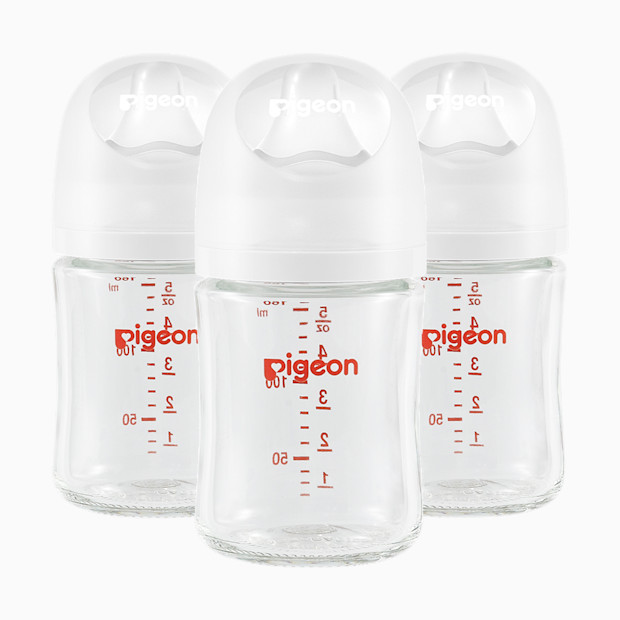
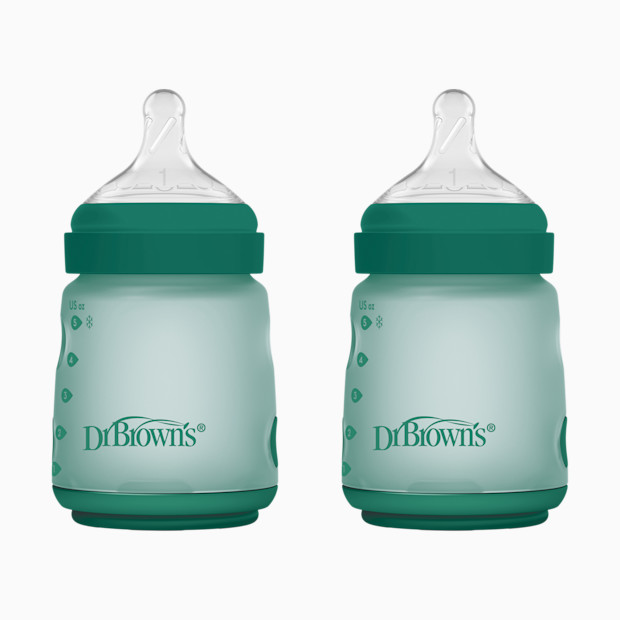
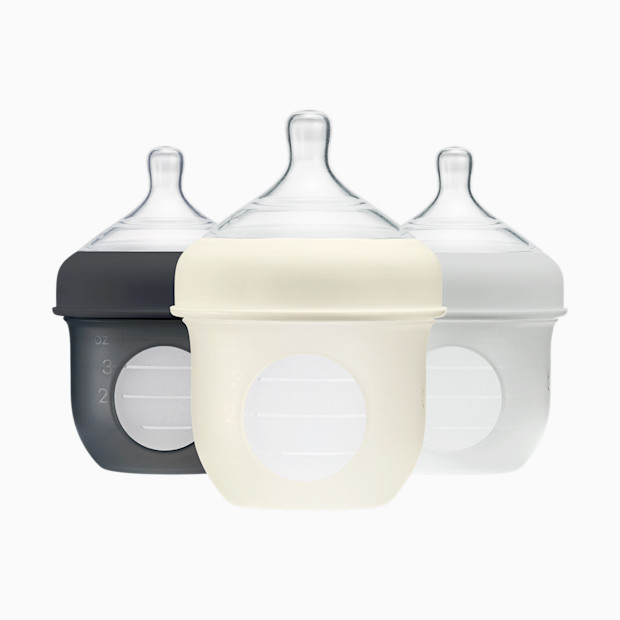
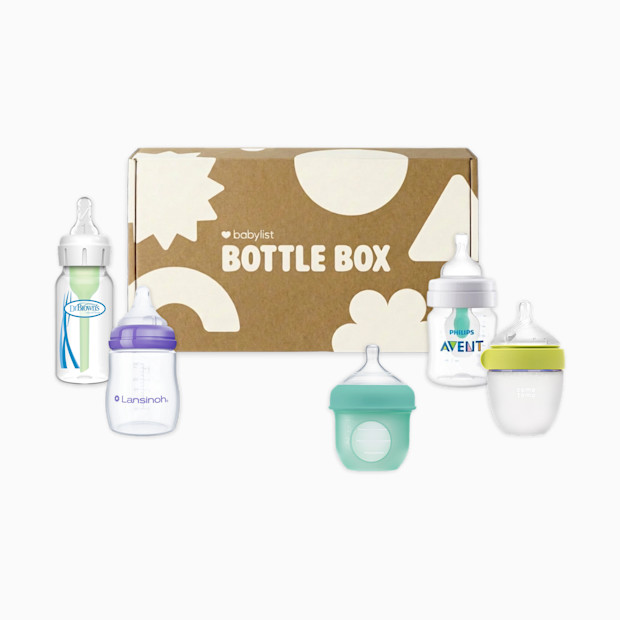
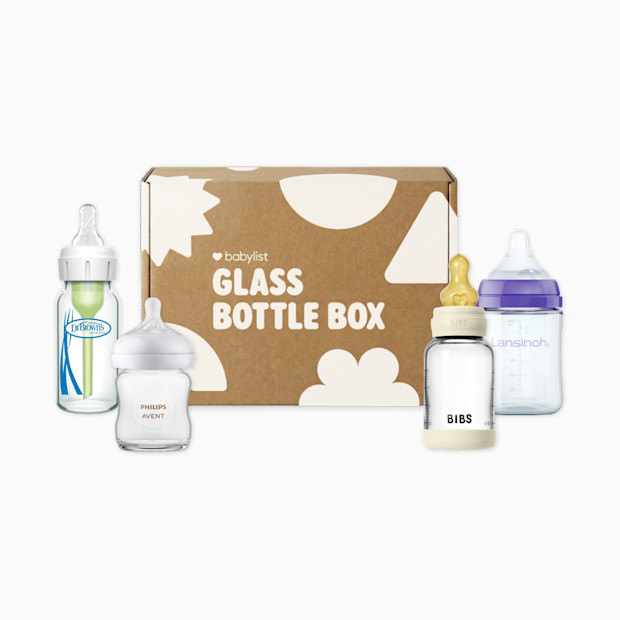
No matter which material you think is best for your baby, we’ve got recommendations for top glass baby bottles, plastic baby bottles and silicone baby bottles—and even variety packs so you can test out several options at once.

Expert Sources
Babylist content uses high-quality subject matter experts to provide accurate and reliable information to our users. Sources for this story include:
Dr. Perry Sheffield, Professor of Environmental Epidemiology, Co-Director of Federal Region 2 Pediatric Environmental Health Specialty Unit (PEHSU) and Co-Director of NYS Children’s Environmental Health Centers network (nyscheck.org)
Dr. Christopher Reddy, environmental chemist at Woods Hole Oceanographic Institute

;)
;)
;)
;)
;)
;)
;)
;)
;)