
What to Pack in Your Home Birth Kit (From Someone Who’s Been There)
Planning to give birth at home? Here’s what to include in your kit, plus what midwives & parents say you’ll be glad to have.

By
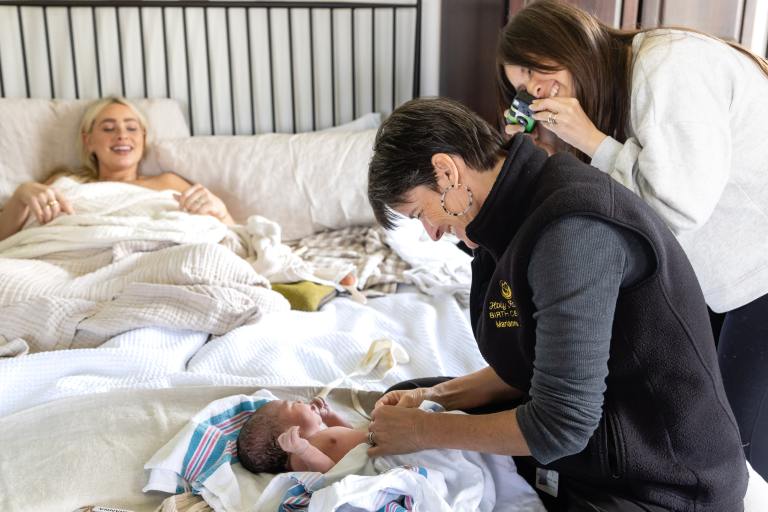
When you're giving birth at the hospital, one of the most exciting milestones is packing up your hospital bag. But what if you're planning a home birth? Turns out, there are still some things you'll need to prepare in your "home birth kit" to ensure you've got everything you need at the ready—and part of that is setting up your birthing space ahead of time so it’s calm, comfortable and stocked with the essentials.
As someone who's done both—my second time around I chose a planned home birth—I have firsthand experience prepping to have my baby at home. For an expert take, I spoke to several professionals: Sara Holt, a Certified Nurse Midwife with over 25 years of experience and founder of Byenveni Baby in Portland, Oregon; Katelyn Fusco, a childbirth educator, experienced home birth attendant and founder of Happy Homebirth based in South Carolina; and Morgan West, a certified professional midwife at Hummingbird Midwifery and one of the founders of East Bay Birth Collective in Oakland, California. I also talked to a few other parents who've experienced home birth about what they packed and what they found most helpful to have on hand. Just keep in mind that your provider may have some different suggestions, so be sure to utilize their guidance.
What does a midwife bring to a home birth?
First things first—you’re not responsible for stocking all the medical supplies for your home birth. Your midwife will arrive with the tools and supplies needed to support a safe labor, delivery and immediate postpartum period.
That includes equipment for monitoring vital signs, tools for cutting and clamping the umbilical cord and medications to manage postpartum bleeding or handle unexpected complications. “All of the items that would be present at a birth center are brought into the client’s home,” says Holt.
Your midwife will also come prepared with a few items for newborn care, such as:
A bulb syringe
Vitamin K injection and antibiotic eye ointment
Supplies to collect blood for newborn screening
Some midwives may also bring their favorite non-medical tools like a birth stool, rebozos or birth sling to help support labor positioning and comfort.
West explains that a midwife’s toolkit is designed to handle both routine care and urgent scenarios, including supporting a baby who needs help breathing or a birthing parent experiencing a postpartum hemorrhage. The exact supplies may vary slightly depending on your midwife’s license and scope of practice, but rest assured—this part is their job, not yours.
That means you get to focus on creating a calm, supportive environment and gathering the personal comfort items that help you feel ready.
Prepping Your Space for Birth Day
Birth is messy—so you’ll want a few supplies on hand to prep your space for labor and delivery. A big part of this depends on where in your home you plan on actually giving birth. For example, if you’re going to have a birth tub, what you pack will look a bit different from what someone who’s planning to have their baby on their bed needs.
Here are a few items to “pack” when prepping your home for the actual birth:

wowflash 100 Count 22” x 22” Super Absorbency Disposable Underpads
From $27.99These absorbent pads are great for protecting anywhere you sit during labor—like your floor, couch or bed—and also for keeping postpartum lochia (aka postpartum bleeding) from leaking onto your sheets after you’ve given birth.

One of midwives’ biggest tips is to layer your mattress (and regular mattress cover) with a clean set of sheets, topped by a waterproof mattress cover and another clean set of sheets. This protects your mattress from any birth-related fluids and makes it easy to strip everything off for cleaning once your baby is born.

An extra set of white sheets is perfect for the top layer of your waterproof mattress cover and clean sheets sandwich. And choosing white means you can bleach them afterward (same for the towels below).

You may also want to include a shower curtain (or two) in your birth kit, especially if you’re planning a water birth. You can put one underneath the birthing pool and they also come in handy for protecting your bed or rugs.
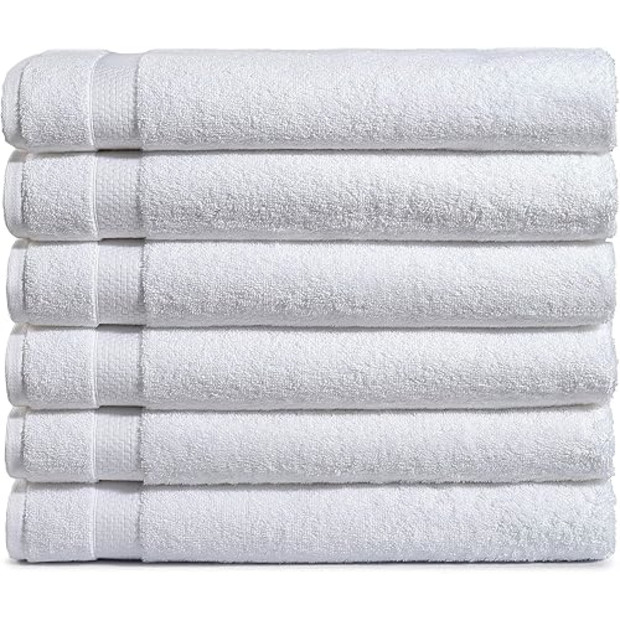
Towels you don’t mind getting messy are a must-have for home births—and you’ll need some washcloths, too. They’ll be used to cover things and clean you, your baby and your space post-delivery.

A large, clean bowl is useful for holding your placenta after you deliver, especially if you plan on doing anything with it later (like encapsulating it or getting a print made).

My midwives recommended packing all of my home birth prep items in a designated bin, that way it was all organized and easy to grab when I went into labor.

You most likely already have these but make sure you have enough on hand for cleanup!
Making Labor as Comfortable as Possible
"The ambiance of giving birth at home is one of the biggest reasons that families choose home birth," says Fusco. While home birth typically requires very few medical items, many birthing parents focus their prep on creating a calm, comforting environment—something that can make a big difference during the physical and emotional work of labor. "Items like a heating pad or tools for back and sacrum massage, or even a TENS unit can be wonderful comforts in labor. Some families like essential oils for calming and stress relief, or there are herbs and homeopathics that are grounding and supportive," West adds.
"Around the birth pool, I hung up hand-painted scripture and affirmations from my friends, twinkly lights for a soft glow and artwork by my creative parents," says Stormie Fraser, Babylist's Senior Visual Designer and mom of two who welcomed her second baby at home via water birth.
I also added my own touches to my space when I had my baby at home—birth affirmations, string lights and battery-operated candles helped set the mood and made the space feel both peaceful and intentional.
Here are a few more ideas to consider:
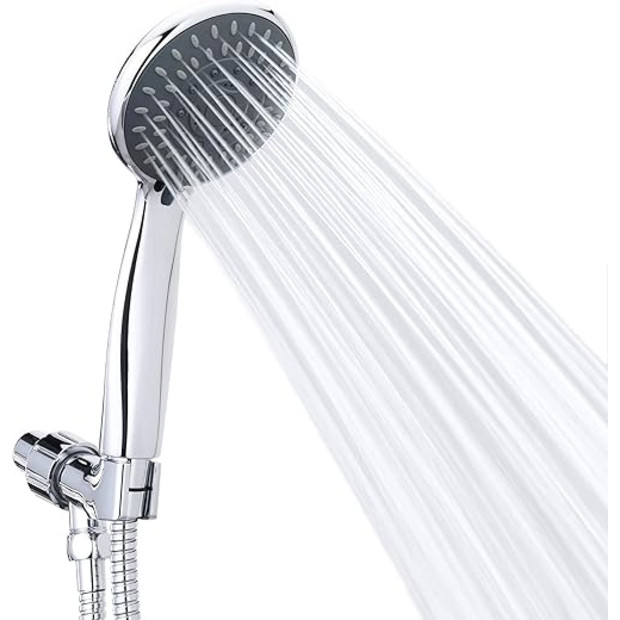
"Before the birth, my husband installed a handheld shower head, and it turned out to be the most helpful tool during early labor. I was able to direct the hot water exactly where I felt each contraction, which brought a lot of relief," Fraser shares.
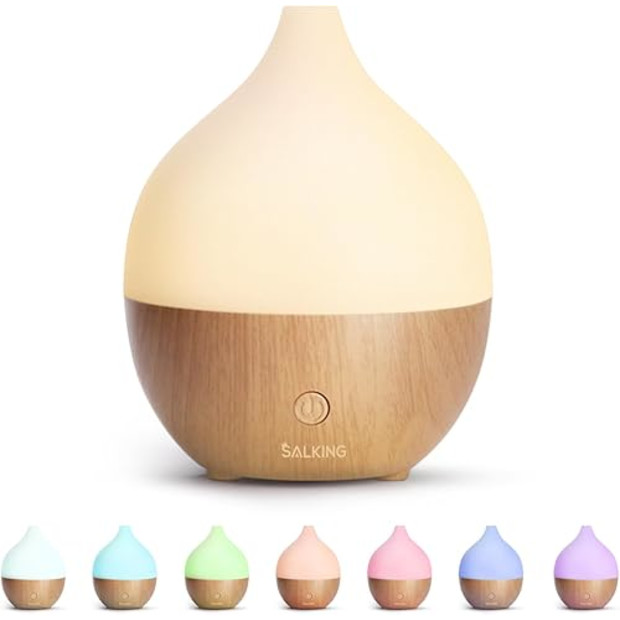
Calming scents like lavender can help promote relaxation. Just make sure to use them sparingly—labor can heighten your sense of smell, so what smells pleasant normally might feel overwhelming during contractions.
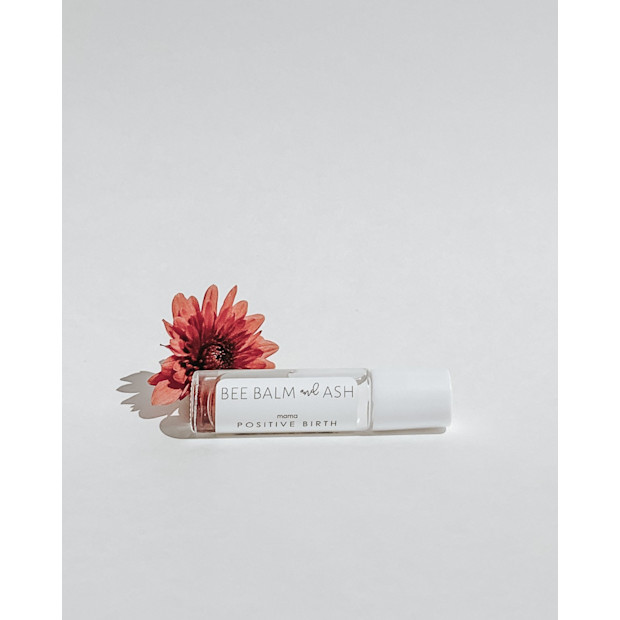
You can apply this soothing blend of essential oils to pulse points or temples to promote calm.

Room Essentials 10.5' 30ct. Battery Operated Twinkling LED Dewdrop Fairy String Lights Warm White with Wire
From $5.00Soft, dim lighting creates a cozy, calm environment and supports melatonin production, which helps aid labor progression.
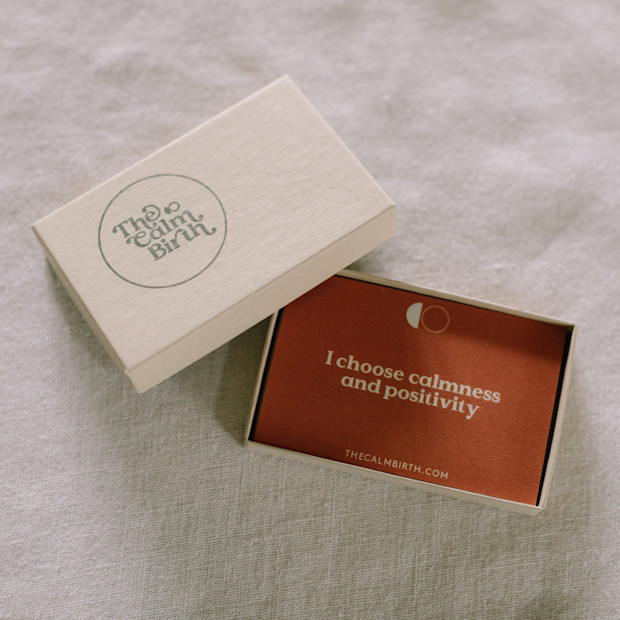
Placing affirmation cards around your birth space can give you gentle reminders for mental encouragement and emotional focus.
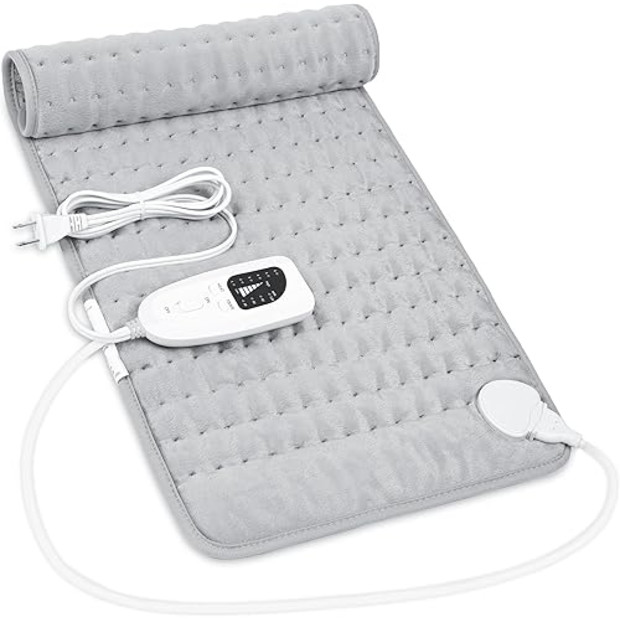
Ideal for easing back labor or relaxing abdominal muscles between contractions.
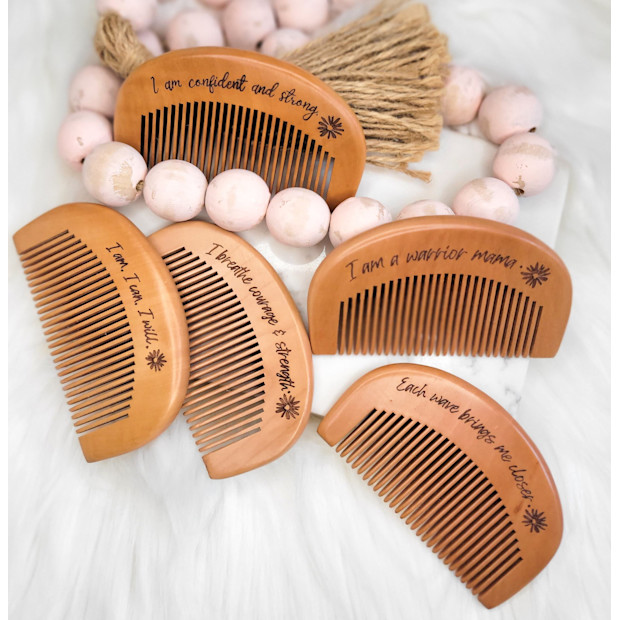
A birth comb offers a tactile distraction and acupressure-style relief when gripped during contractions.

Sit, sway, or lean over the ball to open the pelvis and find a rhythm that feels right. “The birth ball is wonderful for ‘active resting’ during birth,” Fusco says. “If a mother is exhausted but doesn't feel comfortable lying down through contractions, a birthing ball can be used in a number of positions to provide support and movement.”
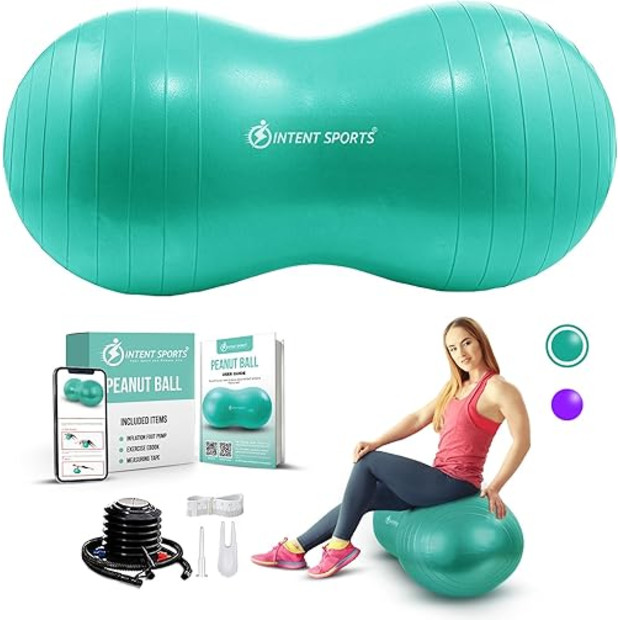
“The birth peanut is an amazing tool that can also be used in a number of positions—its main function being to help open the diameter of the pelvis to encourage the baby to descend,” Fusco says. It’s especially helpful if resting in bed; this tool can be placed between the knees or thighs to maintain optimal pelvic positioning.
What You’ll Need for the Birth
Though midwives come prepared with everything needed for labor, birth and immediate postpartum care, there are a few smaller medical supplies your midwife may ask you to pick up, too. They’ll likely provide you with a list, but there are also home birth supply companies—like Cascade Health and Precious Arrows—that sell these items in bundles to make life easier. West notes that most kits include basic disposable medical items that you probably won’t already have at home.
Expect your kit to cover clinical essentials like:
Sterile gloves
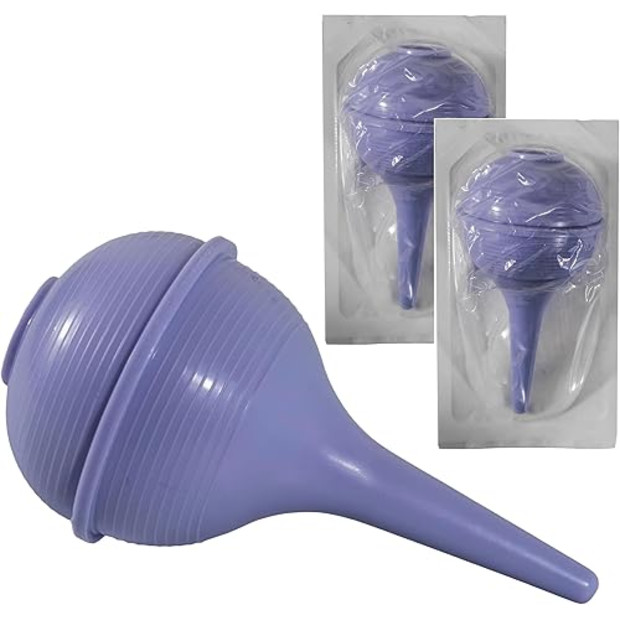
A bulb syringe
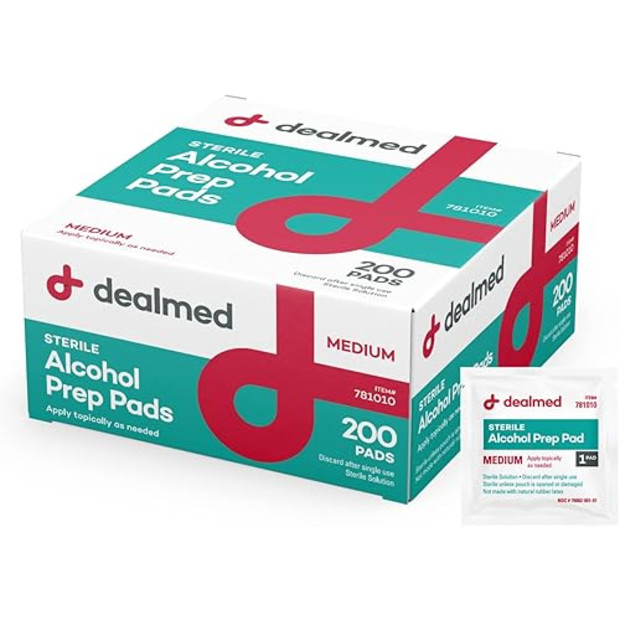
Alcohol prep pads
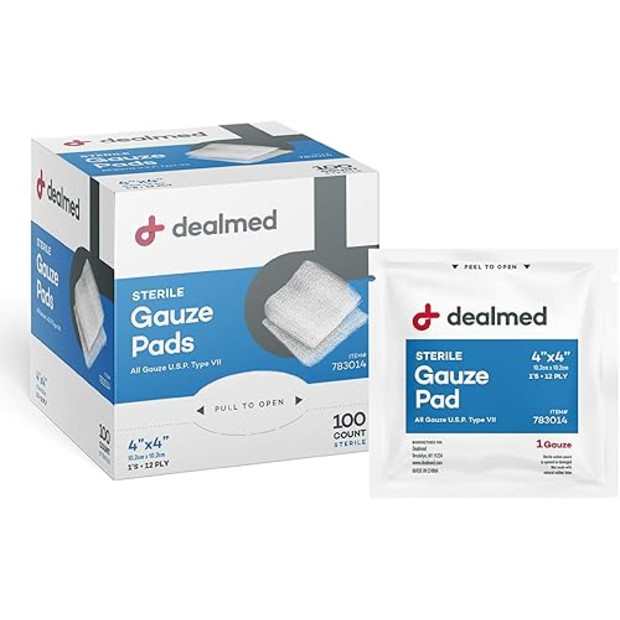
Sterile gauze
Holt shares that some curated kits even allow clients to choose optional add-ons like postpartum care items or natural remedies tailored to their birth plan.
If your midwife doesn't have a pre-curated bundle recommendation, here are a few examples of the kinds of medical items will need for the actual delivery:

What to Have Ready for Baby
When you have a home birth, your midwife usually acts as your baby’s provider for the first 28 days of life. This means they’ll provide all of the routine newborn care immediately following birth and during this three week period (after which you’ll take baby to see their pediatrician).
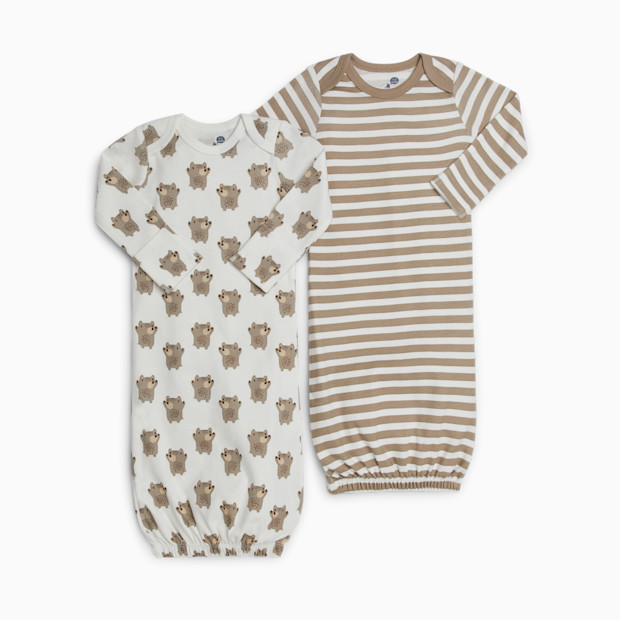
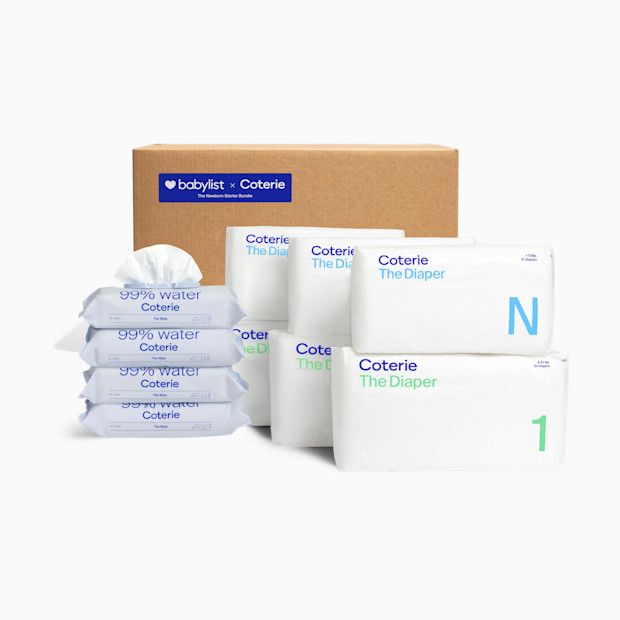
But it's also a good idea to have some baby essentials ready in your space, too. "Immediately after the birth, the most important things are to keep the baby warm, fed, set up safely for sleep and diapered in whatever way a family chooses," West says. Stock up on diapers, wipes, receiving blankets you don't mind getting messy, an optional hat and a cozy first outfit to dress your baby in between skin-to-skin sessions.
This is also totally optional, but olive oil was on my list of supplies because it helps gently clean off baby’s first poop. “The first newborn bowel movements are meconium, and very sticky, so we recommend using a barrier oil like olive oil or coconut oil to help with easy wiping away,” West explains.
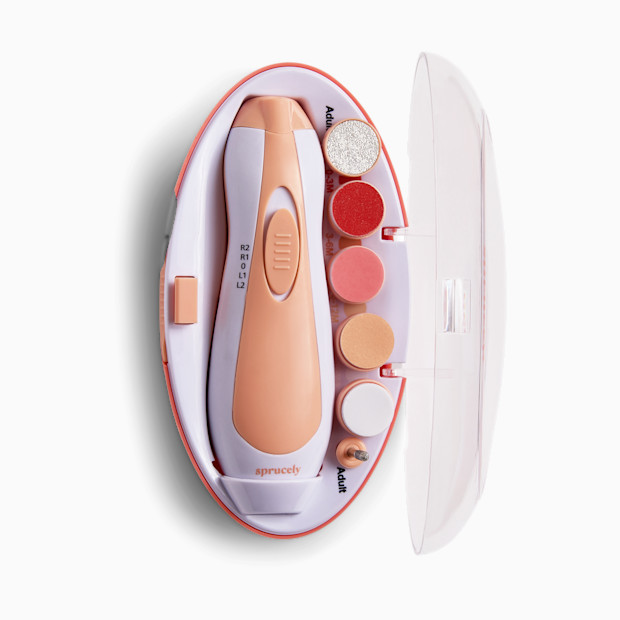
And though your midwife will take baby's measurements, they may not have the things for those tiny hand and footprint kits, so a no-mess set is great to have if you want it.




What You’ll Want for Post-Birth Recovery
No matter where you give birth, having your postpartum supplies set up and easy to reach can make a big difference. In a hospital, many of these items are provided for you—but at home, you’ll want to gather and organize them ahead of time.
“I put together a cart with everything I might need during and right after labor,” Fraser says. “It was so easy to point any member of my team to the cart for anything we might need!”
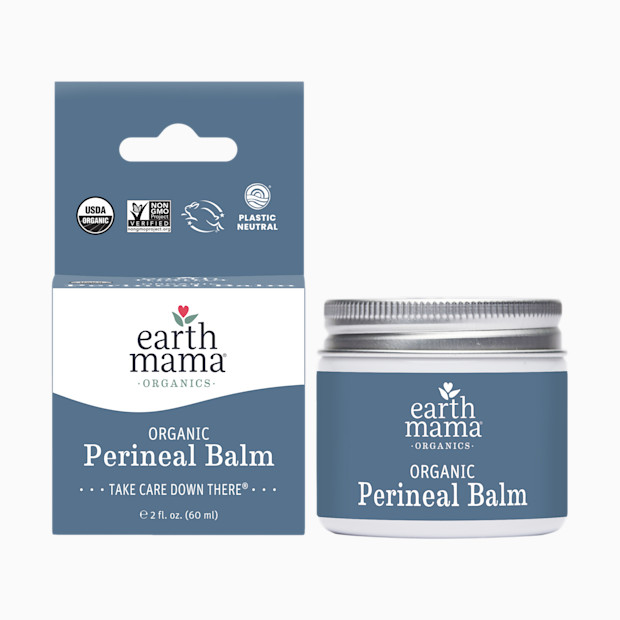
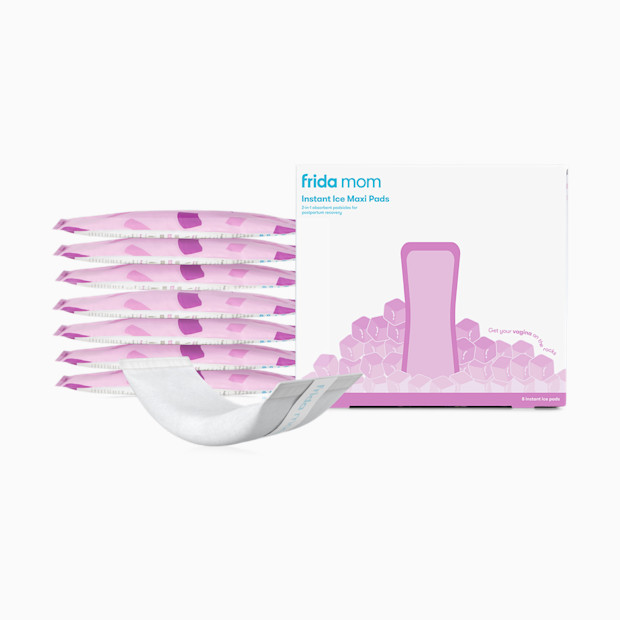
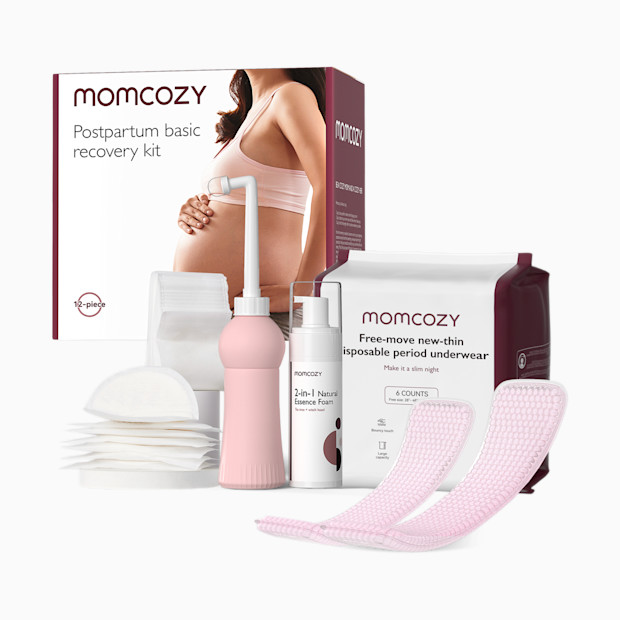
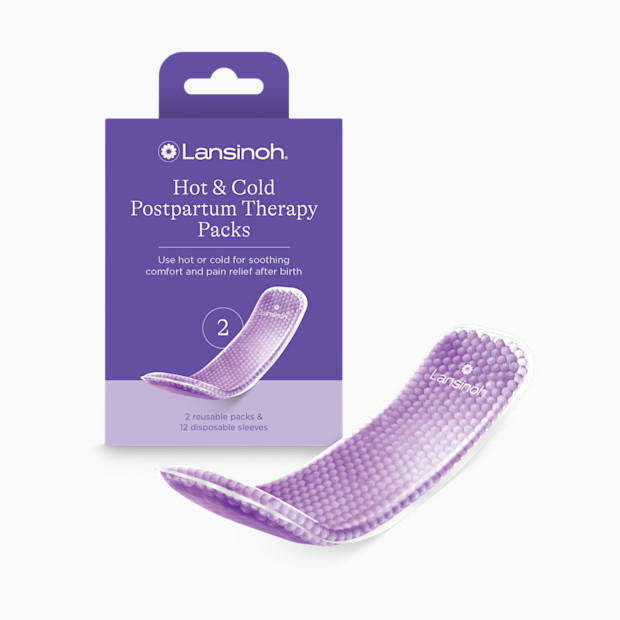
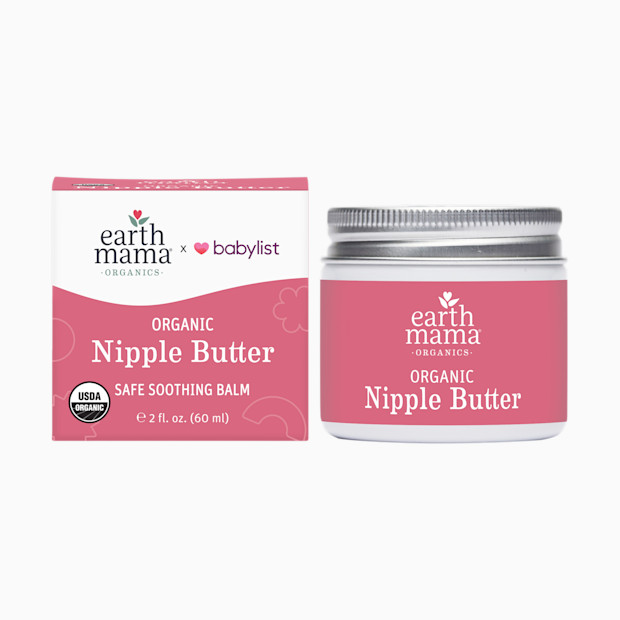
Here’s a checklist of postpartum essentials to have nearby:


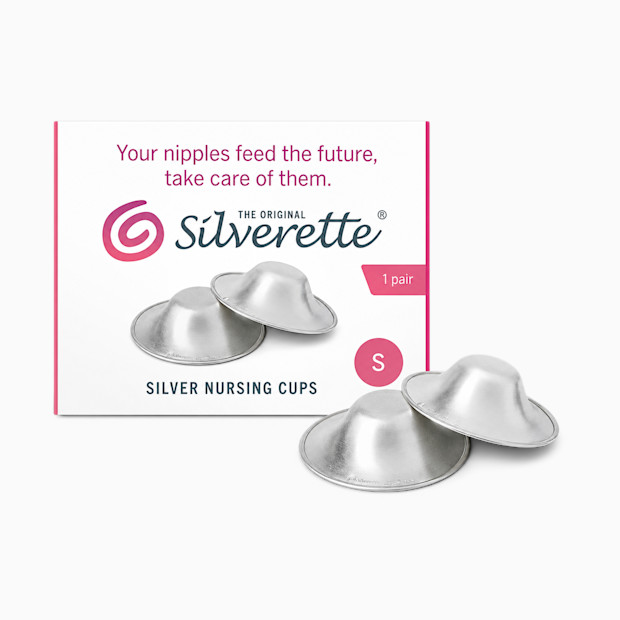
A Few Last Things to Make Life Easier
As your due window approaches, a little preparation can go a long way in making your home birth experience feel calm, confident and well-supported. Here's how to get ready:
Supply organization: Keep all birth and baby supplies in clearly labeled bins or baskets, ideally in or near your planned birth space. Group items by category—labor comfort tools, postpartum care and baby essentials—so they're easy to locate when needed. A rolling cart or small shelf can also help keep everything within reach without cluttering the room.
Communication with your birth team: Check in with your midwife or birth team a few weeks before your estimated due date to confirm logistics: when to call, who will be present, what they're bringing and what they expect from you. Share your birth preferences and make sure everyone—including partners, doulas or support people—is aligned and knows their role.
Frequently Asked Questions
When should I have my kit ready?
Aim to have your home birth kit fully prepped by 36 or 37 weeks. This gives you time to double-check anything your midwife might add to the list and ensures you're not scrambling if your baby decides to come a little early.
What if I can't find everything locally?
Many midwives recommend a pre-made birth bundle that you can order online, often customized to their practice. You can also piece one together yourself through drugstores or online retailers. If you're missing something minor, don't stress—your midwife likely has extras or workarounds.
What should I have ready in case I need to transfer to the hospital?
It's a good idea to have a "go bag" ready just in case you need to transfer to the hospital (think of it as a hospital bag with just the essentials). West recommends packing basics like your phone, ID and keys. "Sometimes a family will have a bag of care items packed in a non-urgent transfer so they can bring some of the home environment with them to the hospital, even simple things like their own robe and slippers, some LED candles, favorite snacks, an eye mask and headphones," she adds.
Having your baby at home is a personal decision and can be a beautiful experience—but it’s also one that should be made with the guidance of a licensed midwife or healthcare provider. They’re your best resource for making sure your planned home birth is a safe and appropriate choice for you and your baby.
Expert Sources
Babylist uses high-quality subject matter experts to provide accurate and reliable information to our users. Sources for this story include:
Sara Holt, a certified nurse midwife, with over 25 years experience catching babies and the founder of Portland-based Byenveni Baby where she provides perinatal support to expecting parents.
Katelyn Fusco, a childbirth educator, experienced home birth attendant and founder of Happy Homebirth.
Morgan West, a certified professional midwife at Hummingbird Midwifery and one of the founders of East Bay Birth Collective in Oakland, California.

;)
;)
;)
","url":"https://www.amazon.com/dp/B01AKCOS4Q?th=1","source":"hello_baby"});)
 - Bear Hugs, 0-6 M","url":"https://www.babylist.com/gp/small-story-organic-cotton-gown-2-pack/37721/1422988","source":"hello_baby"});)
;)
;)
;)
;)
","url":"https://www.babylist.com/gp/earth-mama-organic-herbal-sitz-bath-pack-of-6/20390/487526","source":"hello_baby"});)
;)
;)
;)
;)
","url":"https://www.babylist.com/gp/lansinoh-hot-cold-postpartum-therapy-packs-2-pack/24930/1118499","source":"hello_baby"});)
;)
;)