
Your 38-Week-Old Baby
The 9-month checkup includes their first formal developmental screening—here's what to expect and why you shouldn't stress.

By
Your baby’s nine-month checkup appointment is coming up soon and this visit can feel a little different than the others. This appointment is designed to be a more intentional check-in on how things are going overall, not a pass-or-fail test. Around this age, pediatricians shift from mostly observing development to doing a more formal check-in on how things are going across a few key areas.
Dr. Chris Klunk, a board-certified neonatologist with Pediatrix Medical Group, walks us through what to expect at this visit and why the developmental screening—while more structured than previous visits—isn't something to stress about.
🚼 Baby’s Development
The 9-Month Checkup
According to Dr. Klunk, one of the biggest changes at the nine-month visit is that your pediatrician will use a standardized developmental screening tool for the first time. In plain terms, this is a guided questionnaire that helps your pediatrician check in on skills your baby is likely already practicing. You’ll usually answer a short checklist about what your baby is doing right now—how they move, communicate and interact.
As an example, you might see questions like:
Does your baby sit without support?
Can they pull to standing while holding furniture?
Do they use a pincer grasp (thumb and finger) to pick up small objects?
Do they respond when you call their name?
It can feel a bit clinical (checking boxes, answering yes-or-no questions) but it helps to remember that this screening is just one snapshot in a much bigger picture. Your pediatrician has been watching your baby grow all along, and this tool simply helps formalize observations you've both been making naturally.
Rather than focusing on one specific milestone, pediatricians are looking at patterns over time and whether your baby's development falls within a wide range of what's considered typical at this age.
Before diving in, it’s worth repeating: every baby develops at their own pace. This screening isn’t a test your baby needs to pass—it’s a conversation starter.
During the screening, they'll assess several areas of development:
Social and Emotional Skills
Showing stranger anxiety or clinginess with familiar caregivers
Playing games like peek-a-boo
Responding to their name
Communication and Language
Babbling with consonant sounds like "mama," "baba," or "dada" (though not necessarily using them meaningfully yet)
Making different sounds to express emotions
Looking where you point
Cognitive Development
Searching for objects they see you hide (object permanence)
Using a pincer grasp to pick up small items with thumb and finger
Banging objects together
Exploring toys by shaking, banging, or dropping them
Movement and Physical Skills
Sitting without support
Crawling (though some babies scoot, roll or skip crawling entirely)
Pulling up to stand while holding onto furniture
Moving objects from one hand to the other
And if you’re not sure what typical development looks like around nine months, Dr. Klunk recommends checking out CDC's Milestone Tracker app, which breaks down age-appropriate milestones by category and can help you know what questions to ask at appointments.
If something about your baby's development has been worrying you—maybe they're not babbling as much as you expected, or they seem uninterested in moving around—the nine-month visit is the perfect time to bring it up.
"The first and most important step to take if you feel your little one is lagging is to speak with your pediatrician," Dr. Klunk says. Together, you can look at the screening results and decide on any next steps.
"Getting [your baby] what they need as early as possible is key to long-term success," Dr. Klunk adds. But most of the time? The screening confirms what you already suspected: your baby is doing just fine, developing at their own pace and right where they need to be.
🛍️ Panic Order
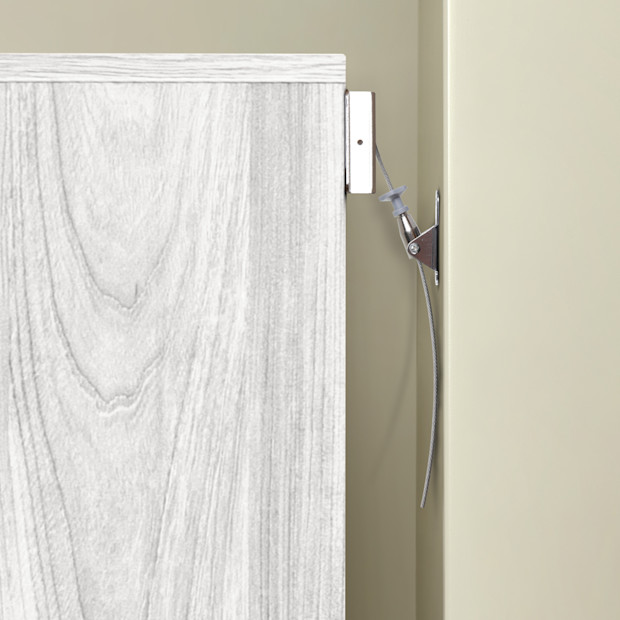
A cruising baby is likely on the horizon! The following can help you prepare for some safe, fun, non-slip exploration.


👀 Looking Ahead
Pulling up + early cruising: In the coming weeks, many babies begin experimenting with pulling up to stand using furniture, crib rails or a very patient parent’s legs.
Expert Sources
Babylist content uses high-quality subject matter experts to provide accurate and reliable information to our users. Sources for this story include:
Dr. Chris Klunk, board-certified neonatologist at Pediatrix Medical Group.

;)
;)
","url":"https://www.amazon.com/dp/B0CHFTVJG4?th=1&psc=1","source":"hello_baby"});)