
The Best Convertible Car Seats of 2026
You’ll use a convertible car seat for years. Our research and testing will help you find the best one for your family.

By
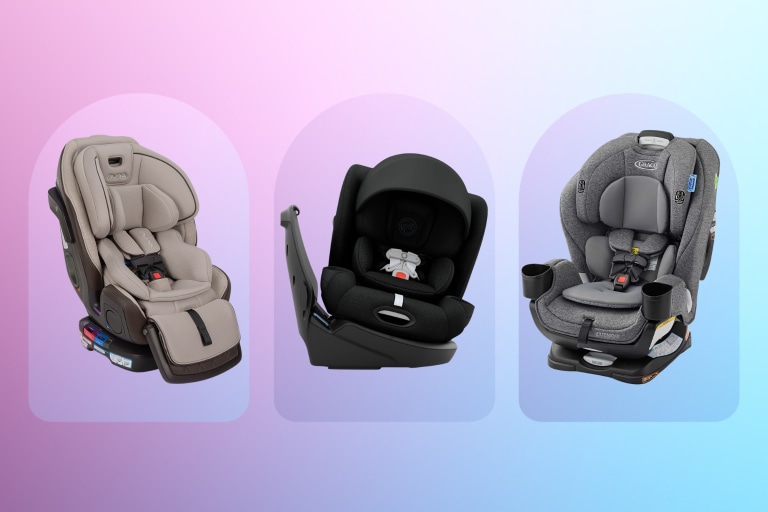
A convertible car seat lasts from the baby days through preschool and beyond, and most families buy one seat for each car. Choosing wisely matters. Based on our research and testing, the three best convertible car seats are the the Graco Extend2Fit 3-in-1, the Nuna Exec next and the Cybex Callisto T 360 Rotating All-in-One Convertible Car Seat.
As a Child Passenger Safety Technician (a CPST, someone specially trained in car seat safety and installation), there are a few things I think all families should know about convertible seats before they start shopping. The first is timing. Choosing a convertible sneaks up on many families. While you can use one from birth, most parents start with an infant seat, then move on to a convertible. But babies grow fast, and many families are surprised by how quickly their baby outgrows their infant car seat. (Or how quickly they get sick of carrying a 20-pound baby + a 10-pound infant seat). All that to say: start shopping earlier than you think.
The second is how exactly a convertible car seat works. A convertible is designed to grow with your child, starting rear-facing and then turning forward-facing as your child gets older. Unlike infant seats that are designed for portability, convertible car seats are big, heavy and designed to be installed in your car and stay there. Most families purchase one seat for each vehicle they ride in regularly with their child.
Our best convertible car seat picks are the ones I most confidently recommend because they install securely, fit kids well as they grow and hold up to daily use over many years. I’ve also included a few “also worth a look” picks (it’s a big decision, and you need options!) and picks for specific needs, because the right seat isn’t the same for every family.


How We Judged
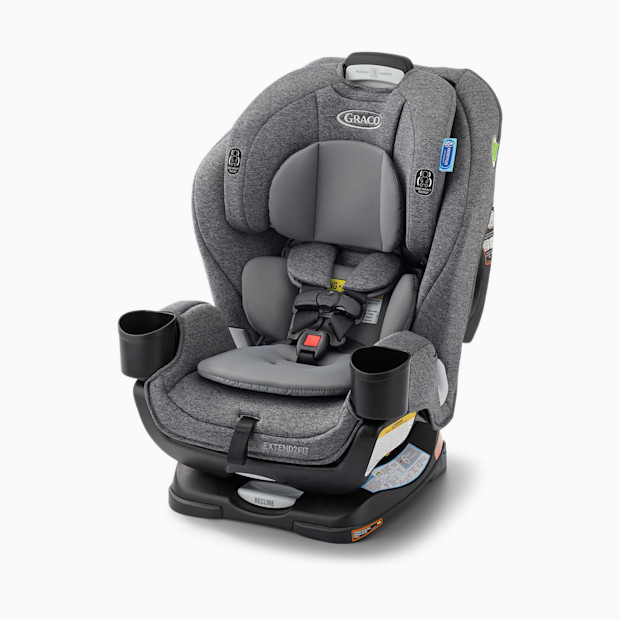
Best Convertible Car Seat: Graco Extend2Fit 3-in-1 Car Seat
Graco Extend2Fit 3-in-1 Car Seat - Cullen
From $269.99Pros
- High rear-facing weight limit (50 lbs)
- Fits smaller cars
- Extra legroom = extra comfort
Cons
- Wide
- Poor fit for some newborns
- Some parents say harness is difficult to tighten
- Kids with long torsos may outgrow it forward-facing sooner than other seats
The Graco Extend2Fit 3-in-1 is the best convertible car seat if you're looking for an impressive combination of safety, longevity and a great fit in all types of vehicles at a price that’s approachable for most families. Any one of those features would be notable on its own; together, they make this seat a standout value.
“The original Graco Extend2Fit is one of the most-loved budget-friendly seats,” says Rebekah Kimminau, CPST and founder of The Baby Gear Consultant. “The 3-in-1 version takes all the beloved features of the original and adds even more to love.”
Babylist parents agree. They consistently praise the Extend2Fit for being “very secure” and appreciate that it grows with their child, especially the 50-pound extended rear-facing capability—one of my biggest selling points when recommending this seat. "It’s so easy to install and the footrest extension gives so much peace of mind as she will be able to comfortably sit rear-facing for longer," one Babylist parent told us. (The extendable leg rest adds up to five inches of extra leg room, and when a kid is more comfortable, they’ll complain less about riding rear-facing.)
My second favorite selling point: because the seat sits fairly upright when rear-facing, it works well in smaller vehicles and lets taller front-seat passengers stay comfortable. This is a big deal because it’s not the case with many convertible car seats—especially those that offer extended rear-facing.
Worth noting:
-
The Extend2Fit has a compact front-to-back footprint, making it a good option for sedans and crossover SUVs, but it’s on the wider side since Graco requires the cup holders to be attached at all times.
-
The newborn fit isn’t ideal for many babies. I recommend starting with an infant car seat and switching to this seat around six months.
-
The top harness height is lower than some other convertible seats, meaning kids with longer torsos may outgrow it forward-facing sooner.
-
Some parents find the harness straps become harder to tighten over time.
Additional Specs
-
Child Guidelines: Rear-facing: 4-50 lbs, top of head must be 1" below headrest adjustment lever; forward-facing: 26.5-65 lbs, up to 49"; highback booster: 40-100 lbs, 43-57", at least 4 yrs old
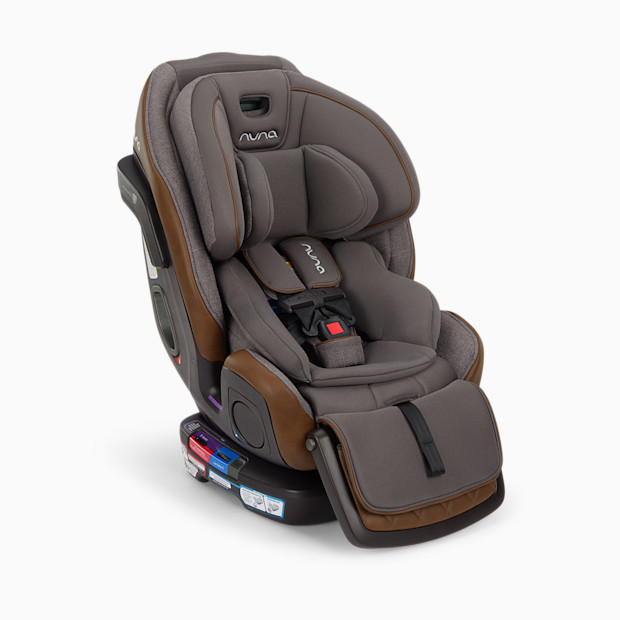
Best Convertible Car Seat: Nuna Exec next
Pros
- High rear-facing limits
- Compact front-to-back
- Excellent fit across all modes (rear, forward, booster)
- Easy to install
- Free of synthetic flame retardants
Cons
- Wide when cupholders are in use
- Expensive
The Nuna Exec next is the best convertible car seat for families looking for a premium seat that’s easy to install, supports extended rear-facing and fits kids well through multiple stages.
The EXEC next is one of those rare seats that feels thoughtfully designed from a CPST perspective and holds up in real life. While it’s technically an all-in-one, what makes it shine for a convertible car seat guide is how consistently well it performs in the stages families spend the most time in: rear-facing and forward-facing harness mode.
For rear-facing, the EXEC next supports extended rear-facing with limits up to 50 pounds, plus a built-in leg rest that can make longer rear-facing more comfortable as kids get bigger. Installation is another standout. Nuna’s True Tension doors help you get a tight, secure seatbelt install without a wrestling match, and the color-coded belt-path indicators make it easier to route correctly and double-check your work—especially as you switch modes over time. There’s also an anti-rebound panel to absorb energy and limit movement in a crash, a safety extra I always like to see when it’s within a family’s budget.
Comfort and materials are a big part of the appeal here too—because this seat will live in your car for years. The EXEC next has breathable, moisture-wicking fabrics with ventilation panels to help regulate temperature, and the fabrics are free of synthetic flame retardants. Everyday usability details add up: magnetic buckle holders that keep straps out of the way while you’re loading, plus two roomy cupholders that are removable and washable. Overall, while pricey, it feels truly premium.
And while booster mode isn’t the main reason to choose this seat as a convertible, it’s worth mentioning because it’s better than most seats in this category. The booster fit is excellent, something that can’t be said for many all-in-one car seats. The leg rest also helps with comfort and positioning, especially for newer booster riders or kids who fall asleep in the car.
Worth noting:
-
The EXEC next is expensive. Considering the seat’s safety features, fit and durability, it’s a solid investment, but there’s no getting around the fact that it’s a premium-priced seat.
-
It doesn’t fit tiny newborns well, which is common for most all-in-one seats.
-
It’s wide when the cup holders are attached, something to keep in mind for narrow back seats or if you need to go three-across.
-
Even with a better-than-average booster mode, many kids will outgrow this seat before they’re ready to ride booster-free. The good news? You can buy a backless booster for about $20.
Additional Specs
-
Child Guidelines: Rear-facing convertible: 5-50 lbs, 18-49”; forward-facing convertible: 30-65 lbs, 34-49”; high-back booster: 40-110 lbs, 43-57”, min 4+ yrs
If you love Nuna, but want a simpler convertible
Nuna RAVA Next - Cedar
From $580.00Pros
- High rear-facing weight limit (50 lbs) + an extendable calf rest for added comfort
- Quick, straightforward install
- Compact seat front-to-back; fits a wide range of vehicles
Cons
- Expensive
- Wide
- Outgrown forward-facing sooner than other seats
The Nuna Rava next is the best convertible car seat if you love Nuna’s design and ease of use but don’t want an all-in-one seat (or the Exec Next price tag). The Rava next supports extended rear-facing up to 50 pounds and includes an extendable calf rest to keep bigger rear-facing kids more comfortable and forward-facing riders more supported. (If you’re a parent of taller kids, like me, or just looking to maximize the time your child can ride rear-facing, this seat is a great choice.) The seat is plush, supportive and made with fabrics free of synthetic flame retardants. And like the Exec next, installation is intuitive and quick thanks to the True Tension door, something both parents and CPSTs consistently praise.
It’s also packed with thoughtful usability features. "The best part is the buckle holders making it extremely easy to get the baby in," one parent told us. Others mentioned the retractable cup holders, no-rethread harness and breathable knit fabric with ventilation panels.
The seat is compact front-to-back, which helps in smaller vehicles or when taller adults are up front, though it is on the wider side. And because of a lower harness height, kids with long torsos may outgrow it in forward-facing mode a bit sooner than with other options.
Additional Specs
-
Child Guidelines: Rear-facing: 5-50 lbs, up to 49”; forward-facing: 30-65 lbs, up to 49”
Best Convertible Car Seat: Cybex Callisto T 360 Rotating All-in-One Convertible Car Seat
Cybex Callisto T 360 Rotating All-in-One Convertible Car Seat - Cozy Beige
From $799.95Pros
- Swivels 360 degrees
- 50 lb rear-facing weight limit
- Three modes of use with strong fit in each (rear-facing, forward-facing, booster)
- One of only a few convertible car seats with a canopy
- Extremely plush and comfortable
Cons
- Very expensive
- Bulky, long front-to-back
Thanks to its outstanding fit, comfort, ease of use across all stages and 50-pound rear-facing weight limit, the Cybex Callisto T 360 is the best convertible car seat if you prefer a rotating option.
A few years ago, I would have hesitated to include a rotating car seat as an overall best-of pick. But rotating seats are no longer niche—they’re mainstream. (Three of the top five convertible car seats in our annual Most Loved Baby Products survey are rotating models 🤯.) And while the Callisto comes with a premium price tag, its popularity isn’t just hype: this seat is truly that good.
There's so much to love about this seat. It fits most kids and most vehicles beautifully. It can be used rear-facing, forward-facing and as a high-back booster, and it rotates in all three modes. (That said, I find the rotation most valuable during the rear- and forward-facing stages, when lifting, twisting and buckling happen multiple times a day.) The high top harness height makes it a good option for taller kids who carry their height in their torsos. And it doesn’t have to be reinstalled when rotating from rear- to forward-facing, helpful if you regularly drive kids of different ages.
Safety-wise, it shines. It includes several features I like to see in a premium convertible, including an anti-rebound base to help absorb crash forces and a tether that works in both rear- and forward-facing modes. (Tethers help limit a car seat’s movement in a crash. They’re required for forward-facing seats, but not all rear-facing seats offer them.)
Comfort and convenience are equally strong. Installation is quick, and there’s a generous range of recline and headrest positions. The seat is genuinely plush, made with breathable fabrics that are GREENGUARD Gold Certified and free of chemical flame retardants. It also has a smart chest clip that alerts you if your child unbuckles or if the seat gets too hot or cold. And yes, there’s even a canopy—something rarely found on a convertible car seat and a favorite feature for many kids, including my own. (Just note it can’t be used in booster mode.)
This is an updated pick: the Callisto G 360 held this spot previously, but Cybex has since released the Callisto T, and I couldn't be happier about the update. The biggest change is the rear-facing weight limit, which jumps from 40 to 50 pounds—a big win for extended rear-facing. Cybex also upgraded the harness, a seemingly small detail but one that's actually hugely impactful in day-to-day use. Where the G only had a spring-forward crotch buckle, the T's QuickSpring Harness springs open and stays open on the shoulder straps too, making it noticeably easier to load squirmy toddlers. The materials are nicer as well, which is saying something given how plush the G already was.
A quick note on testing: I haven't installed the T in my own car yet, but I got hands-on time with it at the ABC Kids Expo last spring, which is why I feel comfortable recommending it now. I'll update this section with any quirks or nuances once my seat sample arrives.
Worth noting:
-
It’s the most expensive rotating car seat currently on the market, by quite a bit. If you're set on Cybex but want to spend less, check out the Callisto G 360 Select. (And watch for a sale—they do happen.) It lacks the canopy and the SensorSafe chest clip, and the rear-facing limit is 40 pounds instead of 50, but otherwise it's very similar to the T and the G models, and an excellent choice.
-
The Callisto works in many vehicles with non-removable headrests, which can be a challenge for some car seats. (I drive a Jeep Grand Cherokee L—a vehicle known for its protruding headrests—and haven’t had issues.)
-
Size is the seat’s biggest drawback. The T is a few inches longer front-to-back than the G, and while it's still fairly compact by rotating-seat standards, I'm watching how it fits in more compact cars when rear-facing. I'll report back once I've tested it in my own car.
Additional Specs
-
Child Guidelines: Rear-facing: 4-50 lbs, up to 43.3”; forward-facing with harness: 26.5-65 lbs, 33-49.2”; high-back booster: 40-120 lbs, 44-57”, min 4 yrs
An also great rotating seat at a lower price
Chicco Fit360 Zip ClearTex Rotating Convertible Car Seat - Jet
From $489.99Pros
- Rotates 360 degrees
- Can switch from rear- to forward-facing without reinstalling
- Straightforward install
- Thoughtful usability features
Cons
- Bulky, especially front-to-back when rear-facing
The Chicco Fit360 Zip is the best convertible car seat if you like the idea of a rotating convertible but don't want to spend as much. Like the Callisto, it rotates a full 360 degrees and allows you to switch from rear- to forward-facing without reinstalling the base. The everyday usability features are also really impressive. The magnetic chest clip, flex-forward buckle (so you don’t have to dig it out from under your kid’s butt each time you load them in the seat) and built-in harness pockets make loading and unloading easier, especially with wiggly toddlers, and there’s a built-in mirror to use rear-facing that Chicco crash-tested specifically with this seat. The ClearTex fabrics are GREENGUARD Gold Certified and free of added flame retardants.
Chicco also offers the option to purchase additional bases—a rare convenience for a convertible car seat and helpful for families who switch cars often. (Just note it’s never safe to use this car seat without the base.)
Additional Specs
-
Child Guidelines: Rear-facing: 4-40 lbs, up to 43”; forward-facing: 26.5-65 lbs, up to 49”
Best Slim Fit Convertible Car Seat: Graco SlimFit 3-in-1 Car Seat
Graco SlimFit3 LX 3-in-1 Car Seat - Kunningham
From $299.99Pros
- Fits three across in almost any configuration
- Two cup holders
Cons
- Doesn’t recline as much as some other convertible car seats
- Removable seat covers can be confusing to put back on after washing
- Installation can be tricky
The Graco SlimFit LX 3-in-1 is the best convertible car seat if you need a narrow seat to save space in your back seat or have multiple kids and need a three-across setup. At 16.9 inches wide, the SlimFit LX is one of two ultra-narrow convertible car seats on the US market. (The other is the new Chicco Fit3x ClearTex Ultra-Slim All-in-One, another strong narrow, three-across option.) It's a good choice for families who need to fit multiple car seats across their back seat. “It features a belt lock-off for forward-facing installation, making installation in that mode a breeze. It also converts to a high-back booster seat,” says Kimminau.
Additional Specs
-
Child Guidelines: Rear-facing: 5-40 lbs, 49"; forward-facing: 26.5-65 lbs, up to 49"; high-back booster: 40-120 lbs, 43-57", min 4 yrs
Graco's SlimFit 3 LX is the slimmest convertible car seat on the market, making it easier to get multiple car seats across your back seat. It's pictured here installed in the center seating position of a 2021 Toyota RAV4 next to a Nuna Pipa Infant Car Seat. (Photo: Stormie Fraser, Babylist Senior Visual Designer)
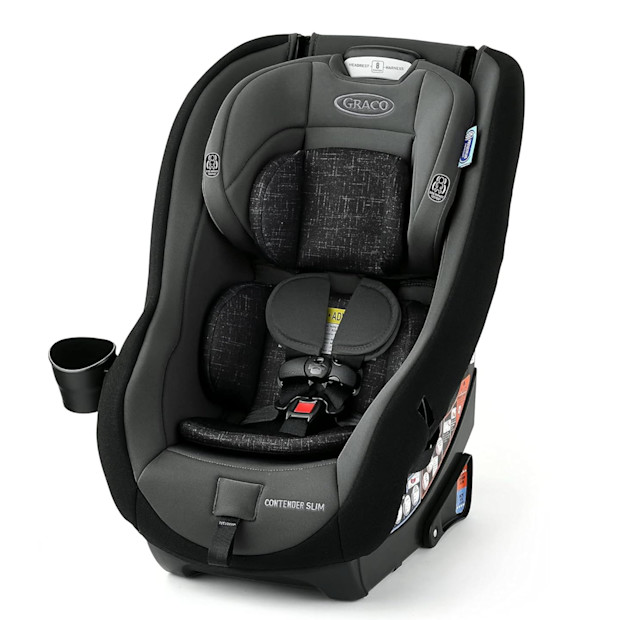
Best Value Convertible Car Seat: Graco Contender Slim Convertible Car Seat
Pros
- Under $200
- No-rethread harness, a nice perk at this price point
- Straightforward installation
Cons
- Limited recline positions
- Some parents say harness is difficult to tighten
- Lower anchor connectors can be tough to unhook
The Graco Contender is the best affordable convertible car seat for most families. Convertible seats can get costly, and many less expensive options are tricky to install and tough to use. But that's not the case with the Contender. It's under $200 and is straightforward to install and use.
Despite the name, it's not the slimmest convertible on the market, but it’s still fairly compact and a good option for small cars or fitting more than one car seat across your back seat. It’s light enough to move between vehicles if needed and features a no-rethread harness and one cup holder. Installation is intuitive with either LATCH or seatbelt, and built-in level indicators help you get the recline just right.
The Contender Slim only offers two recline options: one rear-facing and one forward-facing. It has standard lower anchors, which can be tough to unhook from a vehicle. And some parents find the harness straps difficult to adjust.
Additional Specs
-
Child Guidelines: Rear-facing: 5-40 lbs, head must be at least 1” below headrest adjustment handle; forward-facing: 22-65 lbs, up to 49”
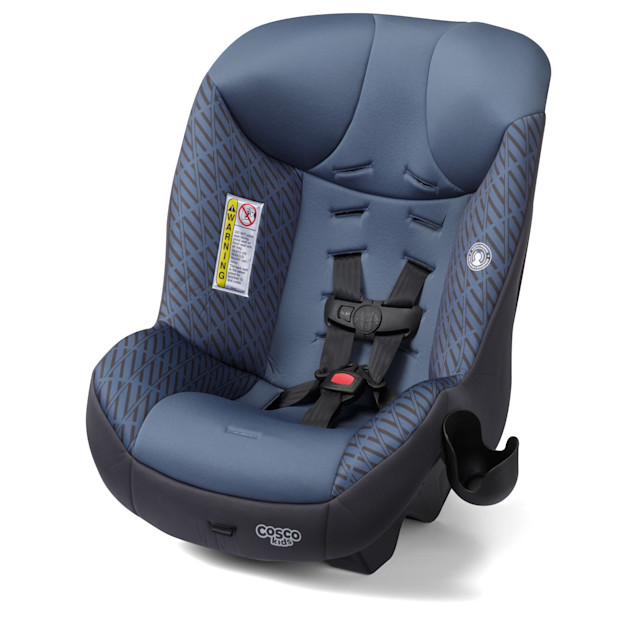
Best Convertible Car Seat for Travel: Cosco Kids Scenera Extend Infant & Toddler Convertible Car Seat
Cosco Cosco Kids Scenera Extend Infant & Toddler Convertible Car Seat
From $59.00Pros
- Ultra lightweight for a convertible (8.8 lbs)
- Very budget-friendly
Cons
- Low rear-facing height max (40")
- Thin cushioning may be uncomfortable for longer rides
- Takes practice to get tight install
The best convertible car seat for travel is the Cosco Scenera Extend. At just 8.8 pounds, it's one of the lightest convertible seats sold in the US, which makes it easy to carry through an airport and check as gate-checked gear. (The Extend and its predecessor, the Next, have been my go-to travel seat for over a decade, coming along on more flights than I can count.) It's also extremely affordable.
Keep in mind it's a no-frills seat that takes a bit of practice to install in some cars, and longevity is also an issue—it has a low rear-facing height limit and a fairly low harness height (which can be an issue for taller forward-facing kids).
Additional Specs
-
Child Guidelines: Rear-facing: 5-40 lbs, 19-40”; forward-facing: 30-50 lbs, 34.4-43"
Why Trust Babylist?
Babylist is the expert in baby; we know baby gear inside and out. We talk with parents face-to-face in our showroom and on our user panels and hear from thousands annually via our Best Baby Products online survey. We know what items millions of expecting parents are adding to their baby registries.
-
Firsthand professional and personal experience. As a CPST, I'm specially trained in car seat usage and safety. I've installed dozens of car seats, including many convertible car seats, and am constantly staying up-to-date on car seat education through continuing education classes, seminars and CPST education groups. I'm also Babylist's gear editor; I've been writing about baby gear at Babylist since 2019 and have been the gear editor since 2021. I've personally tested and reviewed dozens of convertible car seats during this time. And I'm a mom of two boys, a preschooler and a middle schooler—so I have over a decade of hands-on car seat experience with my two sons.
-
Expert POV. I spoke to several experts while researching this guide, including Rebekah Kimminau, Child Passenger Safety technician (CPST) and founder of The Baby Gear Consultant, and Samantha Taylor, CPST, and the voice behind Mama Knows Car Seats. I also spoke with Joe Colella, Director of Child Passenger Safety at the Juvenile Products Manufacturers Association, a leading industry voice on quality and safety for baby and children’s products, and 2020 Child Passenger Safety Hall of Fame Inductee. I also reviewed the latest safety data and recommendations from professional organizations like the American Academy of Pediatrics (AAP) and the National Highway Traffic Safety Administration (NHTSA) and leading voices in child car seat safety such as Safe Kids Worldwide, Car Seats for the Littles, and The Car Seat Lady.
-
Convertible car seat data. I regularly analyze which baby products our users are adding to their baby registries the most (and which ones they aren’t) and what our team of Merchandising experts—our buyers who are responsible for ensuring the Babylist Shop is stocked with the best and newest gear—is excited about. Studying this kind of data helped us choose which convertible car seats to narrow in on and which ones to recommend to new and expecting parents.
-
Feedback and reviews. I reviewed comments and feedback from Babylist’s annual product survey of thousands of Babylist parents, read customer reviews from hundreds of Babylist users and spoke to parents on our Babylist staff about their real-life product experiences.
What You Need To Know About Convertible Car Seats
What is a convertible car seat?
A convertible car seat is designed to grow with your child, starting rear-facing for babies and toddlers, then converting to a forward-facing seat as your child gets older. (That rear-to-forward conversion switch is where the name comes from.) Many convertible car seats can be used from birth through the preschool years and beyond, and some also transition into booster seats for school-age kids.
When do you need a convertible car seat?
Most families switch to a convertible car seat around their baby's first birthday, once the child outgrows the infant seat's height, weight or fit limits—but you can use one from birth if you prefer.
Infant car seats are the more common starting point because they're portable: they click in and out of a base, attach to a stroller and move easily between vehicles. Convertible car seats, on the other hand, install directly into your vehicle with LATCH or the seatbelt and are designed to stay put, making them less convenient in the newborn stage.
Fit matters too. "For most parents, an infant car seat is the right choice for a first car seat," explains Taylor. "Not all convertible car seats offer the most snug fit or best recline for tiny newborns. There are a few that do, but far and away the newborn fit of an infant seat is more consistent."
If you do choose a convertible car seat from birth and your child rides in more than one vehicle regularly, plan on having a seat for each car.
Should you register for a convertible car seat?
Yes, even if you're not planning to use a convertible seat from birth, for many families, it's smart to add one (or more) to your registry.
Most babies outgrow their infant car seat sooner than parents expect; many families are surprised by how quickly they’re shopping for a convertible. Adding one to your registry can help you avoid making a rushed decision later.
Convertible seats are also a big-ticket item, which makes them a good option for a group gift. And if you’re already comparing models now, choosing one while the details are fresh in your mind can save you from starting the research process all over again in a few months.
Pro tip: If you have more than one car, you'll need more than one convertible car seat. Because convertibles are large, heavy and designed to stay installed in your vehicle, many families have one seat for each car their child regularly rides in. You can share a seat between vehicles, but that means uninstalling and reinstalling it each time, which can be time-consuming. If you go this route, be sure you’re comfortable installing the seat correctly every time you move it.
If you travel frequently, you may want to consider a lighter-weight, travel-friendly seat, too, since most traditional convertibles are very heavy.
What is extended rear-facing?
Extended rear-facing means keeping a child rear-facing in a vehicle beyond the typical age most people switch—up to the maximum height or weight limit their car seat allows, since the AAP and NHTSA agree rear-facing is safest for as long as possible. "This recommendation is based on data showing that rear-facing seats offer better protection in crashes for children from birth through 23 months of age, along with child development and biomechanics considerations," explains Colella.
That said, following your seat’s instructions matters most. “Convertible and all-in-one car seats feature weight and height ranges that allow for either rear-facing or forward-facing use. These ranges are determined through extensive manufacturer testing and meet strict safety standards,” explains Colella. “A car seat might allow rear-facing from five to 40 pounds and forward-facing from 30 to 65 pounds, for example. This overlapping range accommodates variations in children's sizes, body proportions and developmental needs, and either mode is safe for that model when used according to manufacturer instructions.”
What is LATCH?
LATCH (Lower Anchors and Tethers for Children) is a system of lower anchors and a top tether that is designed to help secure a car seat in a vehicle without using the seat belt.
LATCH can make installation easier and, in some cases, help you achieve a more secure fit—but it’s not always the safer option. LATCH installations are subject to weight limits, and once you exceed those limits, you’ll need to switch to installing your seat with the vehicle’s seat belt instead. (The Car Seat Lady's LATCH system explainer is a great deep dive into this if you want to learn more.) Always check both your car seat manual and your vehicle manual and follow the manufacturer’s instructions.
How to Choose a Safe Convertible Car Seat
A safe convertible car seat comes down to three things: it fits your child, it fits your vehicle and you can use it correctly every time.
Price and extra features matter, but a higher price tag does not equate to more safety, says Colella. “All car seats sold in the US must meet stringent safety regulations following the requirements set by the NHTSA,” explains Colella.
But how does that translate to real-life car seat shopping? How do you know which safety features to prioritize and which ones to skip?
According to Colella, the best car seat for your child meets these criteria:
-
It fits your child. The seat you choose should meet your child’s height, weight, age and developmental needs.
-
It fits your vehicle. The car seat must be correctly installed to perform as intended. “Following car seat installation instructions and vehicle owner’s manual guidance is crucial.”
-
It's used consistently and correctly. You—and anyone else who drives with your child—need to understand how the seat works and feel confident using it correctly every ride.
These three things are deeply connected. You can buy a seat with every safety feature available, but if it doesn’t fit your car or is difficult to install or use, those extras won’t make a meaningful difference.
Car seat fit: What to consider
Fit is one of the most common pain points for parents researching convertible car seats, especially since it’s rarely possible to test multiple seats in your vehicle ahead of time. Here’s how to approach it:
Measure first. Check the seat’s dimensions, then grab a tape measure and look at your back seat. Don’t focus only on width; factors like pronounced side bolsters or a narrow center seat can also affect fit. This isn't foolproof, but it's a good place to start.
Think front-to-back space. Convertible car seats take up significantly more room than infant seats, especially when rear-facing. If the person sitting in front of the seat is tall or needs to recline, look for a more compact option.
Pay attention to recline options. Recline affects both comfort and fit. Seats with more recline positions tend to work in a wider range of vehicles—but this shouldn’t be your only deciding factor.
Try before you buy, if possible. If you can, test a seat in your vehicle before purchasing. If not, CPST-staffed groups like Car Seats for the Littles can be a helpful resource for vehicle-specific guidance.
Safety features: What to consider
Prioritize features that support proper use and crash protection:
-
Higher rear-facing height and weight limits to support extended rear-facing
-
Anti-rebound bars to reduce movement after a crash
-
Side impact protection: “Enhanced side impact protection features can improve child safety in crashes from more directions,” explains Colella. (All car seats manufactured after December 5, 2026, must meet newly updated side impact standards.)
-
Safety indicators that help confirm correct installation
-
Alert systems that warn of unsafe situations, like unbuckling or extreme temperatures
-
Vehicle fit, since vehicles and back seats all range drastically in size and shape
Convenience features: What to consider
Because you’ll use this seat for years, convenience matters:
-
Ease of installation: A seat that’s easier to install is more likely to be installed correctly. Just be mindful of LATCH weight limits and when to switch to a seatbelt install.
-
Everyday usability: Features like cup holders, buckle holders, magnetic buckles and no-rethread harnesses can make daily ins and outs smoother.
-
Fabric and cleanability: Toddlers are messy. Consider durability, washability and whether you prefer GREENGUARD Gold Certified or flame retardant–free materials.
-
Longevity: Some seats last through early childhood; others (all-in-one models) convert to boosters. There’s no universally “right” choice—it’s about what works best for your family.
Convertible Car Seat Frequently Asked Questions
Are used car seats safe?
We don’t recommend using a secondhand car seat. That’s because you can never be sure of a car seat’s past. A used convertible car seat may have sustained damage in a crash or from being dropped or may not meet current safety regulations.
If you do select a used car seat, get it from someone you trust. Be sure to look up the seat’s expiration date and research if that particular model has ever been recalled. If the seat is dirty, strictly follow the manufacturer’s rules on how to clean the car seat to maintain its integrity.
Do convertible car seats work with strollers?
This is one of the most popular questions new parents have about convertible car seats and, unfortunately, the answer is generally no. (If you want to see what infant seats work with which strollers, check out Babylist’s Infant Car Seat and Stroller Compatibility guide.)
The only convertible car seat currently on the market that’s compatible with a stroller is the Orbit Baby G5 Toddler Car Seat. There are lightweight travel car seats, but the inconvenient reality is that once your little one outgrows their infant seat, you’ll lose the ability to easily transfer their seat from the car directly onto your stroller.
How many years are convertible car seats good for?
Convertible car seats typically last six to ten years, depending on the specific model and manufacturer’s guidelines. However, it is important to regularly check the seat for signs of wear and tear and replace it if necessary. Additionally, it is recommended to follow the height and weight limits for each stage of the seat to ensure maximum safety for your child.
Do all convertible car seats fit in all cars?
Not all convertible car seats fit in all cars. Before purchasing or registering for a convertible car seat, check the seat’s specifications and compare them to the dimensions and features of your vehicle’s back seat. Some car seats are designed to fit better in certain types of vehicles, such as smaller cars or larger SUVs.
What is the safest spot for a convertible car seat?
According to car seat safety experts, the safest spot for a convertible car seat is in the center of the back seat of a vehicle. This position offers the most protection from side impact crashes and reduces the risk of injury in the event of a collision. But it’s not always possible to install a car seat in the middle seat. If the center position isn’t an option, choose the spot where you can install it tightly using either LATCH or your vehicle’s seat belt, according to the AAP’s car seat safety information guidelines. And always check your specific vehicle’s owner’s manual before installation. The Safe Kids’ Ultimate Car Seat Guide Installation Tips is a great resource for car seat installation.
At what age should a child transition to a booster seat?
According to the AAP, children should transition to a booster seat when they reach the maximum height or weight of their forward-facing car seat. Car seat experts emphasize that children must be mature enough to sit properly in a booster seat before making the switch. (Sitting upright, no leaning, twisting or reaching, etc.) Many children aren’t mature enough to make the switch until at least five years old; most hit this milestone sometime between five and seven.