
The Best Breast Milk Chillers for Work, Travel & Busy Days Out
Pumping on the go is no joke. These parent-loved milk chillers help keep your liquid gold safe—and your stress levels low.

By
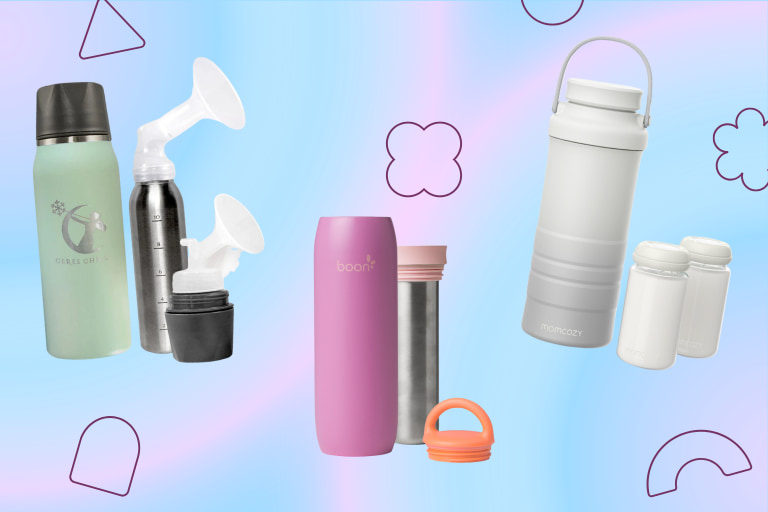
Transporting breast milk isn’t always easy. If you're pumping on the go, you need a way to keep it safely stored until you get back to your fridge or freezer stash. While traditional coolers with ice packs can get the job done, they’re bulky and not always the most convenient option. Enter: breast milk chillers.
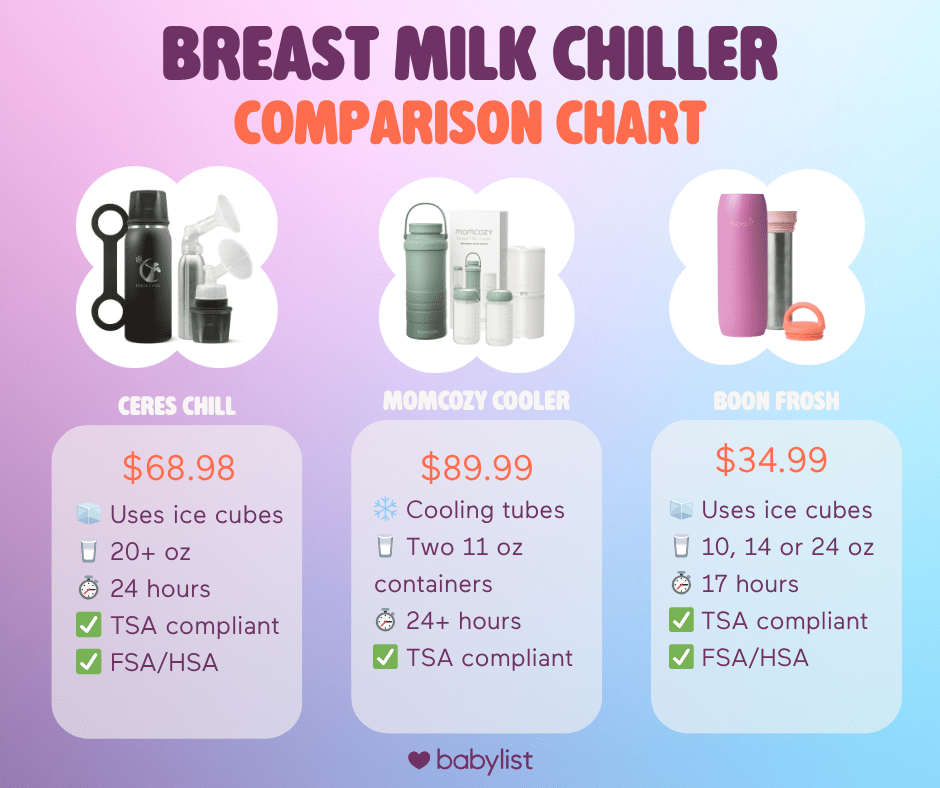
Think of them as the Yeti of the baby world—chillers are designed to keep expressed milk at a safe temperature for hours, giving you peace of mind (and one less thing to worry about). In fact, a bunch of Babylist parents mentioned Ceres Chill by name in this year’s survey—it stood out as one of the most-talked-about solutions for transporting milk.
There are a few important safety guidelines when it comes to storing breast milk, so we asked two experts—Elena Medo, CEO and Co-Founder of Leonie Health, and Dr. Jenelle Ferry, a board-certified neonatologist and director of feeding, nutrition and infant development at Pediatrix Medical Group—to break it all down.
After testing the top chillers on the market, we found the Ceres Chill to be the best overall pick. The brand specializes in breast milk storage and has been helping parents keep their milk safe and cold on the go for years. We also included options that are more budget-friendly or compact for easier carrying.
How We Judged the Best Breast Milk Chillers
Best Breast Milk Chiller Overall
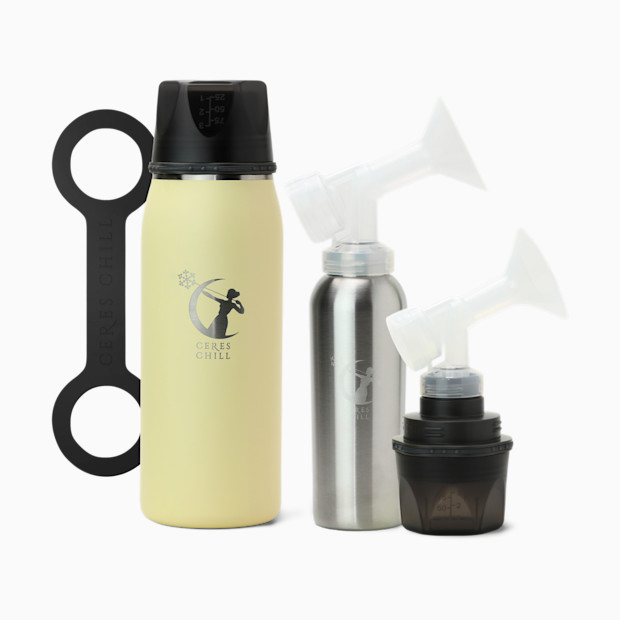
Ceres Chill OG+ Chiller/Warmer - Vitamin D
From $68.98Pros
- Keeps 24 oz milk cold for 20+ hours
- Compatible with most breast pumps
- FSA/HSA eligible
- Compatible with most breast pumps
Cons
- Pricey
- Lots of parts to clean
- Must use with ice
The Ceres Chill is a favorite among Babylist parents and our editors. Designed to hold up to 24 ounces and keep it cold for 20+ hours, this insulated chiller replaces bulky coolers and ice packs with a sleek, stainless steel bottle.
Parents rave about the confidence it gives them when storing milk until they can get to a refrigerator. It actually keeps breast milk at a safe temperature for long periods of time. “It was so easy to use and gave me so much peace of mind to know that my milk will be protected,” one reviewer said. Another Babylist parent even took it up Mt. Fuji and came back down to find their milk still cold—with milk crystals intact.
There are three different ways to use it, depending on how much milk you're storing:
The “Quick Trip” Setup (12 oz Mode). Drop a few ice cubes into the outer chamber and pour up to 12 ounces of milk into the inner bottle. It’s the easiest to clean and great for short outings or tossing in your work bag. For Longer Days or Bigger Pump Sessions (27 oz Mode). Pour your milk into the outer chamber and add ice to the inner one. The milk and ice stay separate, but the chill lasts for hours—perfect for workdays or travel where a fridge isn't guaranteed.
Maximum Storage, Minimal Fuss (34 oz mode) Skip the ice and pour milk (or any already-hot or already-cold liquid) directly into the outer chamber. The insulation keeps it at a steady temp—ideal for when you’ve already cooled your milk.
Parents also praise the plastic-free design (aside from the caps, which don’t touch the milk) and the dual-chamber system, which helps reduce contamination risks. The Ceres Chill is also compatible with most breast pumps, meaning you can pump directly into one of the inner chambers or cap.
It’s not exactly compact, but it’s still very travel-friendly—about the size of a 30 oz Owala water bottle. One parent even used it on an international work trip and had no trouble taking it through TSA. Others use it at home to skip middle-of-the-night fridge trips: “I use it every night when I pump so I don't have to go downstairs to the kitchen each time.”
Things to know: there are a few parts to clean, and you’ll need to supply your own ice. (Pro tip: if your ice cubes are on the big side, you may need to dig for the smaller ones.) And at just under $70, it’s definitely more of an investment piece. But many Babylist parents say it's a no-brainer, one sharing “If the price feels high, think of it as an investment in making sure your breast milk is safely stored and always ready for your baby. Highly recommend!”
Another Babylist Parent Fave
Pros
- Doesn’t require ice
- Large capacity (22 oz)
Cons
- Bulky
- Also expensive
- Some parents say inconsistent longevity
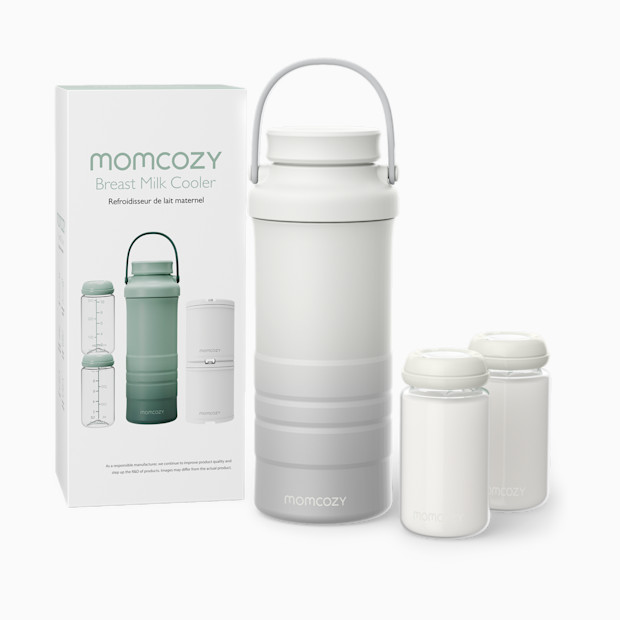
If you're looking for an ice cube-free option with plenty of space for pumped milk, Momcozy’s Portable Breast Milk Cooler is a standout option. This cooler uses cooling tubes as ice packs, meaning you won’t have to play ice tetris when prepping it. It holds up to 22 ounces in two separate bottles (11 ounces each) and keeps milk cold for several hours, even in hotter weather.
One thing that stood out in Babylist parent reviews of this option was how many said it was a life-saver for parents who don’t have a traditional office job. For example, one Babylist parent who works as a mail carrier said it kept their breast milk chilled over eight hours in their hot truck, and the milk was still at a safe temperature by the time they got home. Another called it a game changer for work trips.
Parents also appreciate how simple it is to use—just freeze the inner tubes and go. And since there’s no ice melting, there's no mess. “Love how easy Momcozy is to use and love that I don’t have to mix body temp and cold milk together!” one parent told us. Unlike the Ceres, this chiller has two separate compartments which allow you to store milk from different pumping sessions.
There are a few trade-offs, though. The Momcozy Breast Milk Cooler is quite large (one parent wished for a half-sized version). And a few noted inconsistency in cooling duration, with one review saying the top cooling piece didn’t stay cold as long as the bottom.
Most Affordable Breast Milk Chiller
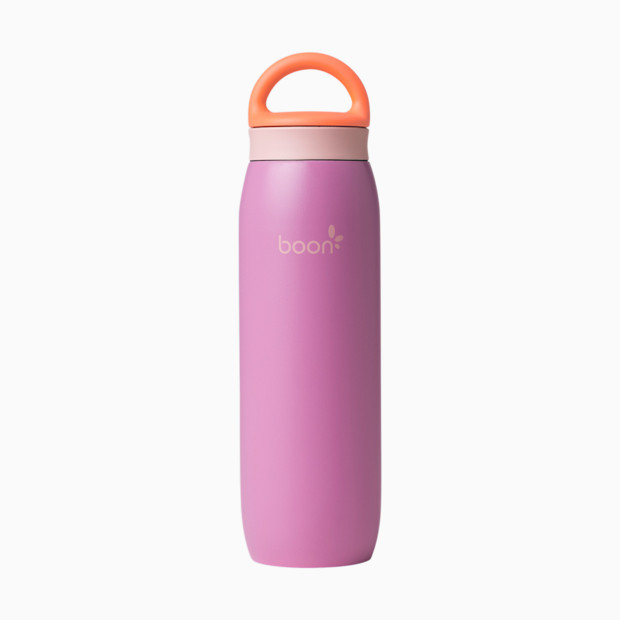
Boon FROSH Stainless Steel Portable Milk Chiller - Purple
From $32.99Pros
- Budget-friendly
- Compact (about the size of a water bottle)
- Also keeps fresh milk warm up to 6 hours
- Adjustable chambers for different volumes
Cons
- Limited chilling duration (max. 17 hours)
- Smaller capacity
Compact, affordable and easy to use, the Boon FROSH is a smart grab-and-go option for shorter outings or quick pump sessions. Unlike the Ceres Chill and Momcozy options above, the FROSH has a simple three-piece design that’s easy to manage and clean. “Super easy to use, which is a huge selling point for me,” one parent shared in their review.
It’s compact (one Babylist parent compared it to a water bottle) and fits in most cup holders and diaper bags. Many parents call it their go-to for errands, travel days or as a reliable backup when they don’t need a full cooler.
It also comes with separate inner chambers—10, 14 or 24 ounces—so you can adjust how much milk you're storing depending on your needs. It keeps milk cold for up to 17 hours, and uniquely, it can also keep freshly pumped milk warm for up to six hours (a big win for babies who prefer their milk on the warmer side).
That said, the smaller capacity means it’s best for those shorter outings or one to two pump sessions. If you’re storing a full day’s worth of milk, you may want something with more room. But for the price and portability, the FROSH is definitely worth checking out.
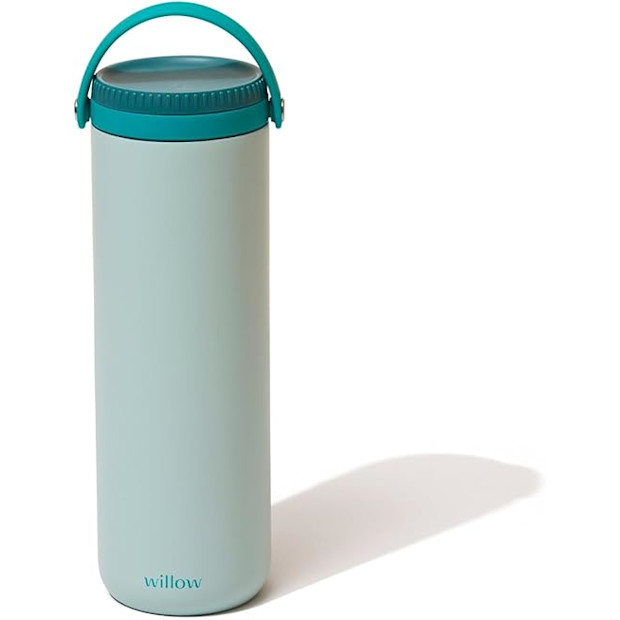
Other Breast Milk Chillers We Like:

Why Trust Babylist?
Babylist is the expert in baby; we know baby gear inside and out. We talk with parents face-to-face in our showroom and on our user panels and hear from thousands annually via our Best Baby Products online survey. We know what items millions of expecting parents are adding to their baby registries.
Firsthand and professional experience. In addition to being an associate editor at Babylist, I’m a mom of two who breastfed for a total of four years. I’ve also completed 52 hours of training to become a certified lactation counselor (CLC) and used both of these experiences to help choose the milk chillers on this list.
Expert POV. Storing breast milk comes with some need-to-know safety guidelines. I spoke to two experts for guidance: Elena Medo, Founder of Leonie Health PBC and Dr. Jenelle Ferry, board-certified neonatologist and director of feeding, nutrition and infant development at Pediatrix Medical Group.
Breast milk chiller data. I regularly analyze which baby products our users are adding to their baby registries the most (and which ones they aren’t) and what our team of Merchandising experts—our buyers who are responsible for ensuring the Babylist Shop is stocked with the best and newest gear—is excited about. Studying this kind of data helped us choose which breast milk chillers and coolers to narrow in on and which ones to recommend to new and expecting parents.
Feedback and reviews. I reviewed comments and feedback from Babylist’s annual product survey of thousands of parents, read customer reviews from hundreds of Babylist users and spoke to parents on our staff about their real-life product experiences.
What is a breast milk chiller?
A breast milk chiller (sometimes called a cooler) is essentially a thermos designed to keep pumped breast milk at a safe temperature for a set amount of time, while you’re away from a refrigerator. Unlike traditional breast milk cooler bags with ice cubes or ice packs, chillers are often more compact and discreet.
Do I need a breast milk chiller?
Not necessarily. You can absolutely use breast milk storage bags with a standard cooler and ice packs. But many parents agree that breast milk chillers (like the ones above) are a more convenient, all-in-one solution for storing milk on the go. Whether you’re commuting, traveling or just don’t want to trek to the fridge every time you pump, a breast milk chiller can make pumping much easier.
How to Choose a Breast Milk Chiller
Not all chillers work the same way—and depending on how often you pump, how far you’re traveling, and where you’re storing your milk, some features might matter more than others.
Here’s what to keep in mind when choosing the right one for you:
Materials. “It's important to choose containers designed specifically for storing milk,” says Dr. Ferry. “If milk can leak out, germs can get in.” Look for food-grade silicone, BPA-free materials and metals that are free of lead in all parts.
Cooling duration. Some chillers keep milk cold for 6–10 hours, while others can go 20+ hours—even in warm weather. If you’re frequently without access to a fridge or freezer, go for a chiller with longer cooling performance.
Capacity. Are you pumping once before you get home—or multiple times? Chillers range from just a few ounces to enough for an entire workday. Some even offer adjustable storage depending on how much milk you’re producing.
Portability. Do you need something that fits in a diaper bag, suitcase, or even a car cup holder? Compact chillers are water bottle–sized, while others are bulkier but offer more insulation. If you’re flying, make sure it’s TSA-friendly and easy to separate at security. (All the options in this guide are TSA compliant!)
Cleaning. Some chillers have multiple parts or inner chambers. Others are simpler and easier to clean—which can be a big deal if you're pumping frequently.
Price. Most chillers range from under $40 to nearly $100. Higher-end models often offer longer cooling time and extra features, but there are great budget options too—especially if you just need a short-term or backup solution. Some models (like the Ceres Chill) are also FSA/HSA eligible.
Breast Milk Storage Safety
Whether you’re storing milk for a quick trip or a full day away from home, safe storage is key to keeping your expressed milk fresh, nutritious and ready for baby. But it doesn’t have to be complicated—with a few best practices and the right gear, you’ve got this!
🫧 Start With Clean Everything
Always wash your hands before pumping or handling milk, and make sure your pump parts and storage containers are clean and dry. Use food-grade, leak-proof containers made specifically for breast milk. Skip standard plastic bags—use only breast milk storage bags or bottles that are designed for the job.
“Breast milk is incredibly nutrient-rich—but that also makes it a great food source for bacteria,” says Dr. Jenelle Ferry, neonatologist and feeding expert at Pediatrix Medical Group. “Starting with clean hands, clean skin and clean milk receptacles helps keep your milk safe.”
🕒 Follow Storage and Time Guidelines
Chillers can be a great solution for storing milk away from home, but time and temperature matter. Ferry recommends carefully following your chiller’s instructions—some need to be pre-chilled or require a certain amount of ice to work effectively. You also don’t want to leave milk in the chiller longer than the brand recommends.
“A properly insulated portable cooler with enough ice packs can keep breast milk safely chilled for up to 24 hours," says Elena Medo, founder of Leonie Health. “However, the risk of spoilage increases if the temperature exceeds 39 degrees Fahrenheit (4 degrees Celcius), as bacteria can multiply, and milk may spoil even if it doesn’t appear altered.”
She also notes that fresh milk is more tolerant of slight temperature changes than frozen milk, which must be used within 24 hours once thawed.
Ferry adds, “If you're storing a work day's worth of milk, it is ideal to store in a refrigerator during your shift and utilize ice packs for shorter stints, like the trip home.”
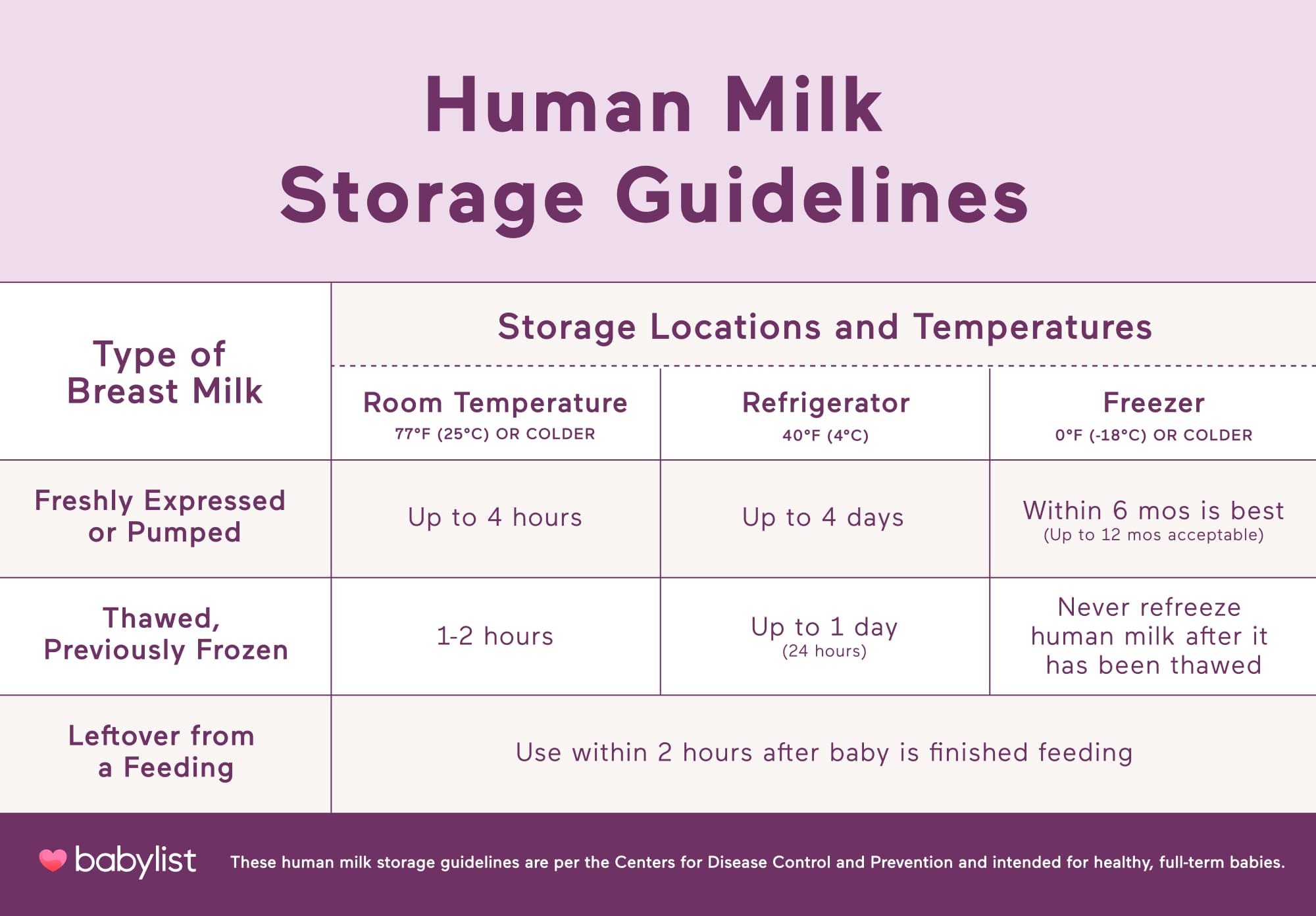
Here's how long breast milk can be safely stored in different conditions, based on the Center for Disease Control’s (CDC) recommendations:
There are also a few precautions both Ferry and Medo say parents need to follow when storing their breast milk:
#1 Label your milk. Always note the date and time of pumping. If you’re pumping multiple times on a trip or at work, it’s easy to lose track. When it’s time to feed your baby, remember “first in, first out”.
#2 Chill your milk right away. Unless you’re going to feed your baby the milk you’ve expressed shortly after pumping, don’t wait to put it in the chiller, fridge or freezer.
#3 Clean pump parts between sessions. Despite advice you may hear floating around, Medo says reusing unwashed parts (even if kept in the fridge) can introduce bacteria. The CDC’s best practice recommendation is to wash your pump parts between sessions—there isn’t evidence that rinsing or wiping and storing pump parts in the fridge between sessions effectively limits bacteria growth or is a safe alternative to washing with soap and warm water between uses.
Expert Sources
Babylist uses high-quality subject matter experts to provide accurate and reliable information to our users. Sources for this story include:
Elena Medo, CEO and Co-Founder of Leonie Health PBC and a pioneer in breast milk tech, with a focus on safe storage and equitable access to human milk.
Dr. Jenelle Ferry, board-certified neonatologist and director of feeding, nutrition and infant development at Pediatrix Medical Group.
