
The Best Bug Sprays for Babies and Toddlers
Keep baby's sensitive skin protected from biting bugs with these insect repellent creams, sprays & wipes.

By
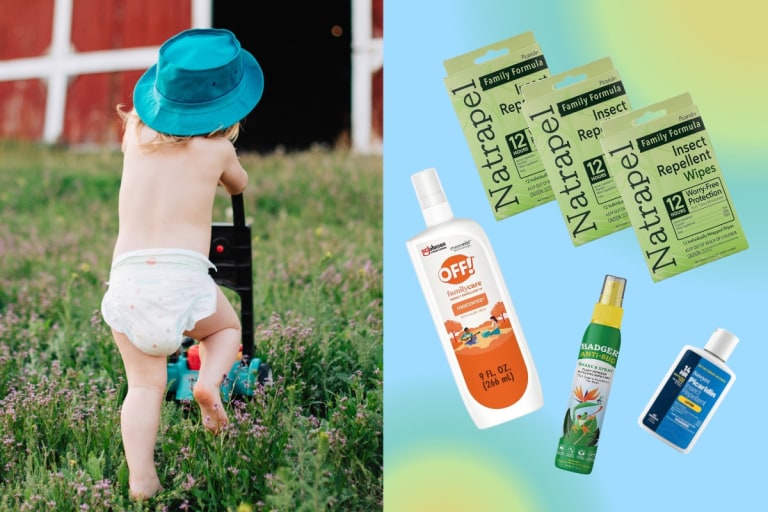
No one likes getting bug bites. Even worse is seeing your baby suffer from itchy mosquito bites or a latched-on tick. And with the different diseases that insects can transmit, including Zika and West Nile virus from mosquitoes and Lyme disease from ticks, insect repellent should be top-of-mind before any outdoor adventure (second only to a great sunscreen, of course)—especially in the summer.
But can you even use insect repellant on babies? Thankfully, yes. There are several main bug repellent ingredients that are safe for babies and toddlers, including:
DEET: The most effective and widely studied option for insect repellent. Formulations of up to 30% are safe for babies and toddlers and provide about five hours of protection against mosquitoes and ticks, but amounts of 10% or lower are just as effective and are recommended by the American Academy of Pediatrics (AAP).
Picaridin: This repellent is odorless, non-greasy and lasts longer than DEET, but may not be the most effective option (it’s still pretty effective, though).
Essential oil-based repellents: Made with ingredients like citronella, lemongrass and peppermint, these plant-based alternatives can offer some protection but may need to be reapplied more frequently.
Here are the best DEET, Picaridin and essential oil bug sprays, plus a few extra picks in each category to help you find what works best for your family.
Why Trust Babylist?
Babylist is the expert in baby; we know baby gear inside and out. We talk with parents face-to-face in our showroom and on our user panels and hear from thousands annually via our Best Baby Products online survey. We know what items millions of expecting parents are adding to their baby registries.
Firsthand professional and personal experience. As a Babylist editor and parent of two adventurous little boys, I’ve spent 8+ years researching and testing baby products—including a wide range of insect repellents. Through both professional expertise and personal experience, I understand what ingredients and features work best for outdoorsy babies, especially those with extra-sensitive skin.
Expert POV. For expert advice on the safety of bug sprays for babies, I consulted Dr. Christina Johns, a pediatrician & pediatric emergency physician at PM Pediatric Care.
Bug spray data. At Babylist, we regularly analyze the products our users are adding to their registries (and the products that they aren’t). Utilizing this data helps us narrow down the best bug repellents we should add to this guide.
Parent feedback and reviews. I also took into account hundreds of product reviews from parents, so you can rest assured the bug sprays on this list are experienced parents’ top choices.
How We Judged the Best Bug Sprays for Babies
Best DEET Repellant
Pros
- Lowest amount of DEET
- Soothing soft mist feel
- Non-greasy
Cons
- Mild scent (but fades quickly)
- Needs to be reapplied more frequently
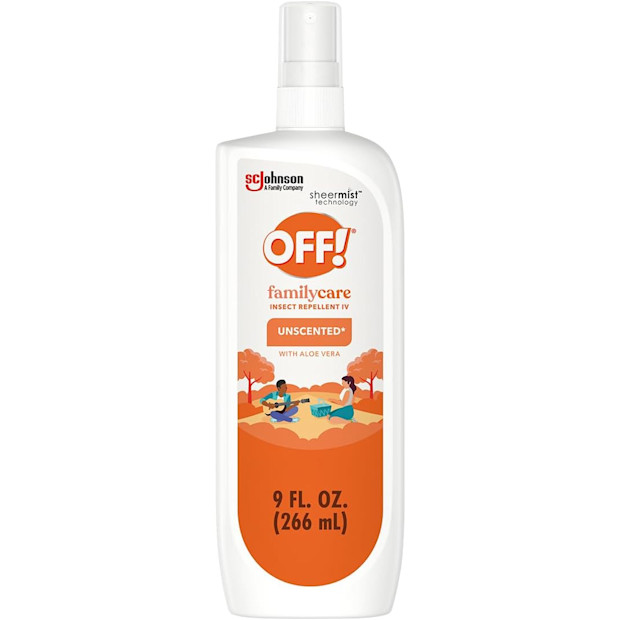
With only 7% DEET, this repellent from leading brand OFF! keeps the bugs away with minimal chemical exposure. DEET is the most effective insect repellent ingredient, says Dr. Christina Johns, a pediatrician & pediatric emergency physician at PM Pediatric Care, “and it’s safe to use products with up to 30% DEET in babies as young as 2 months.” At the same time, the AAP recommends that babies use the lowest amount of DEET actually necessary to limit baby’s exposure to chemicals.
And unlike other OFF! products, this is a manual pump, not an aerosol, so there’s less risk of baby accidentally breathing the chemicals in. The soft-mist spritz feels good on skin, not oily or greasy like many other bug sprays.
A couple things to keep in mind: Since it’s only 7% DEET, this bug spray needs to be reapplied more often than higher concentrations (more on how the amount of DEET corresponds to reapplication time below). Additionally, even though this particular product is labeled as “unscented” and doesn’t actually have any added fragrances, there is a light scent as a byproduct of some of the ingredients. Most product reviewers say they don’t mind the smell, and it fades pretty quickly.
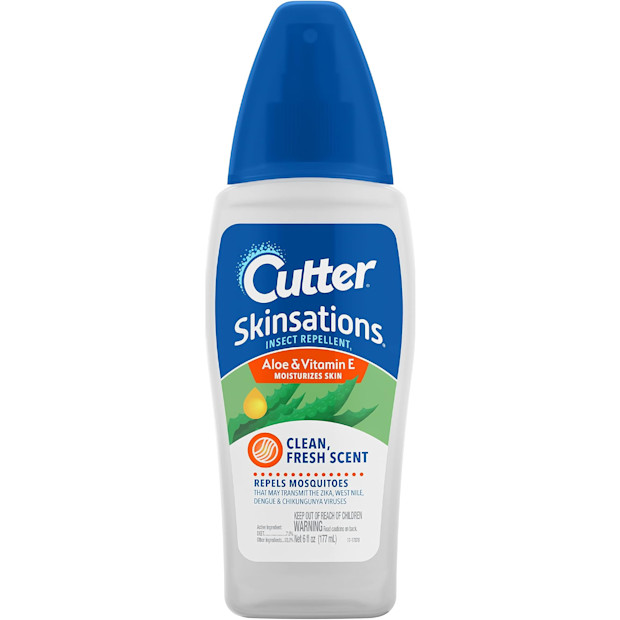
More Great DEET Bug Sprays for Babies
Best Picaridin Repellant
Pros
- Long-lasting
- Soothing lotion formula
- Fragrance-free
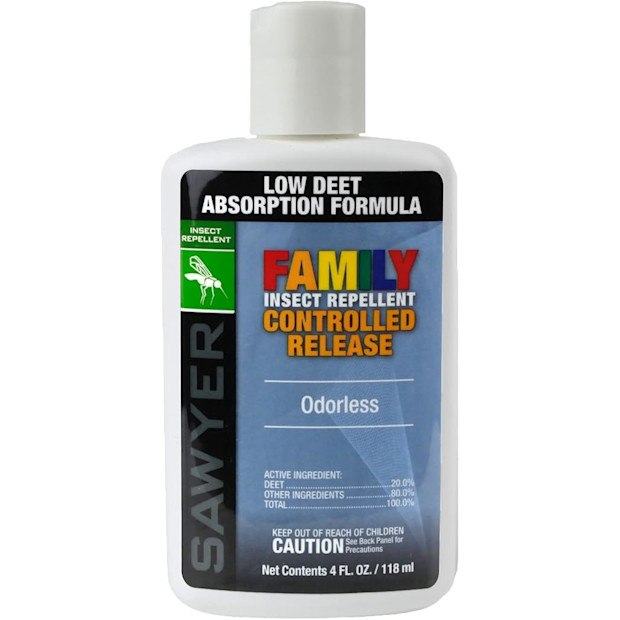
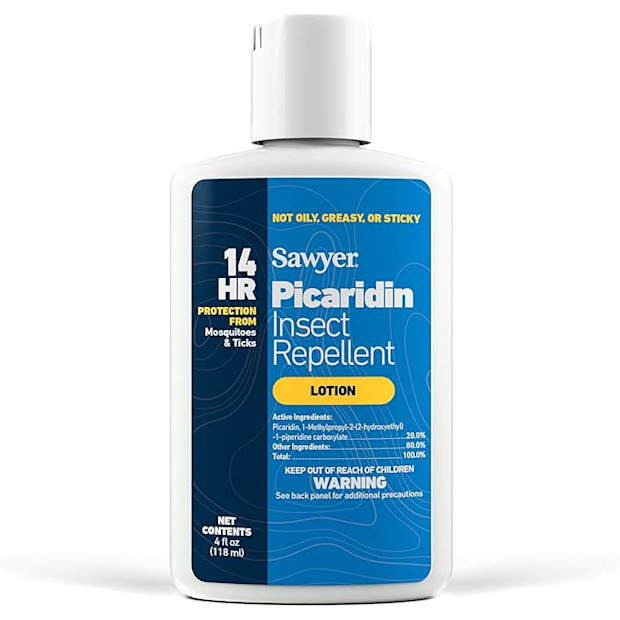
Picaridin is another safe repellent for babies. This popular repellent from Sawyer has 20% Picaridin, which protects against a wide range of insects, including mosquitoes, ticks, biting flies, gnats, chiggers and sand flies. And since it’s a lotion rather than a spray, wipe or balm, it’s super comfortable and soothing on skin and doesn’t feel greasy. Bonus: it’s totally fragrance-free, so it won’t accidentally attract other insects.
Although the product promises to last up to 14 hours, many reviewers say they needed to reapply it closer to every five hours.
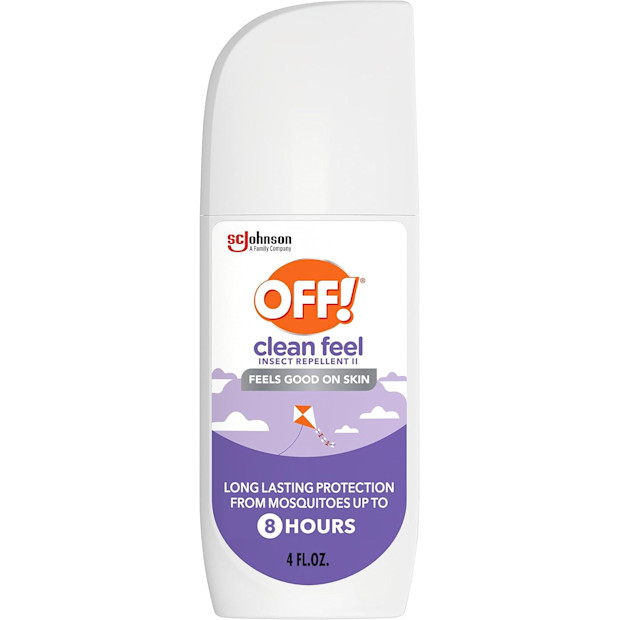
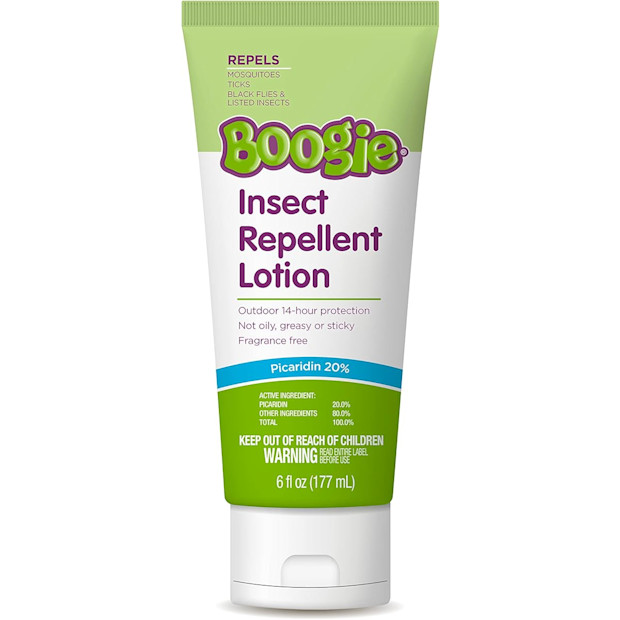
More Great Picaridin Bug Sprays for Babies
Best Essential Oil Repellant

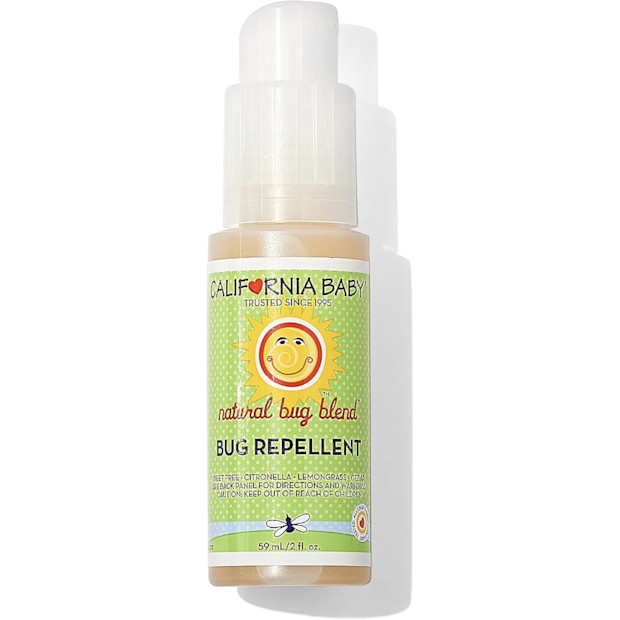
Badger Anti-Bug All Natural Mosquito Repellent w/Organic Essential Oils
From $10.16Pros
- No DEET or Picaridin
- Moisturizing
Cons
- Not long-lasting
- Scented
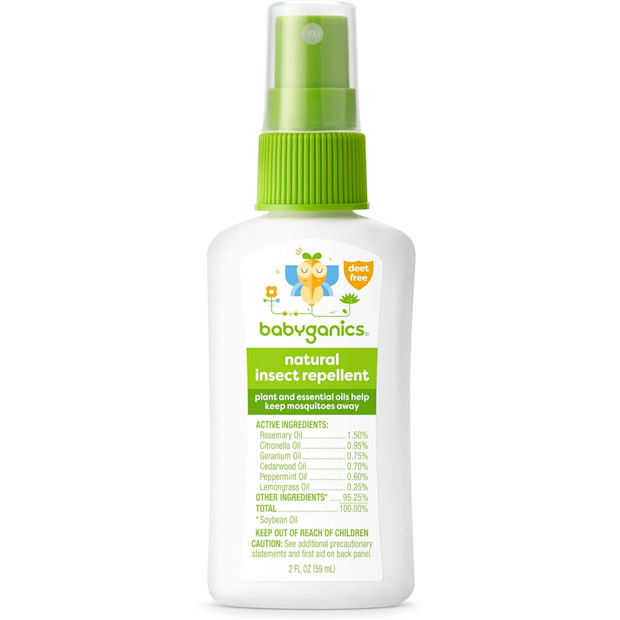
This essential oil-based repellent primarily uses citronella, cedarwood and lemongrass oils to deter bugs, and it lasts up to three hours as a mosquito repellent. While that may not seem like a lot of time compared to other repellents on this list, this DEET- and Picaridin-free spray can be safely reapplied more often and is gentler on sensitive skin. Along with the main anti-bug oils, it also uses soybean and castor oils to keep baby’s skin moisturized, as well as rosemary and geranium oils to give it a fresh, summery scent.
Keep in mind: There’s a chance this product might bring bees buzzing around, probably because it includes several floral scents. And if you’re not into the pump spray, Badger also makes a mosquito-repelling balm.
More Great Essential Oil Bug Sprays for Babies
Best Repellant Wipes
Pros
- Easy application
- Great for travel
- Lasts up to 12 hours
Cons
- Lightly scented
- Adults need 2+ wipes
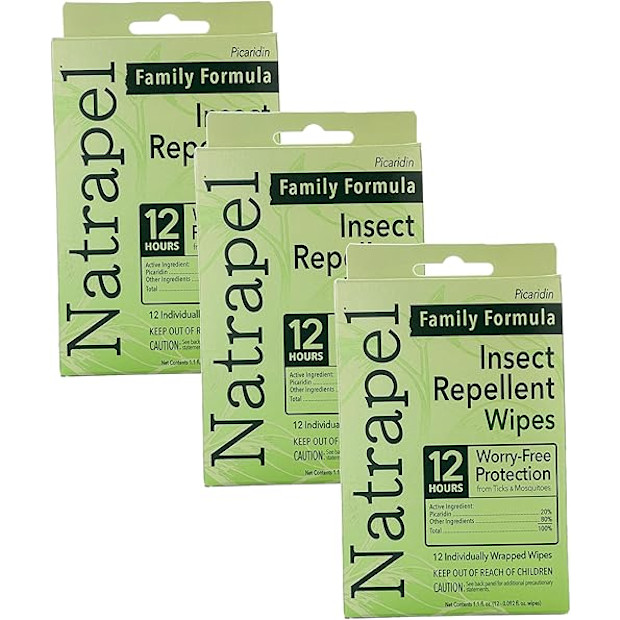
Bug wipes in general work great for quickly applying repellant onto active, wiggly kiddos. And unlike other bug repellants, these wipes don’t leave a greasy, oily or sticky residue. These Natrapel packs come with individually-sealed wipes, so it’s easy to throw a few in your diaper bag to save on space, and they don’t dry out. And since they don’t count as a liquid according to air travel rules, they may make a better travel option than lotion or spray repellents.
These wipes do have a very mild scent that can linger for a while, and they’re small enough that adults may need to use two or more wipes to get full coverage (one wipe is plenty for babies and toddlers though). If you plan to use them on adults, keep in mind that needing to use extra wipes can really make the cost add up.
More Great Repellent Wipes for Babies

Best Repellant Cream
Pros
- Repellent + anti-itch
- No DEET or Picaridin
- Moisturizing
Cons
- Strong scent
- Needs to be reapplied often
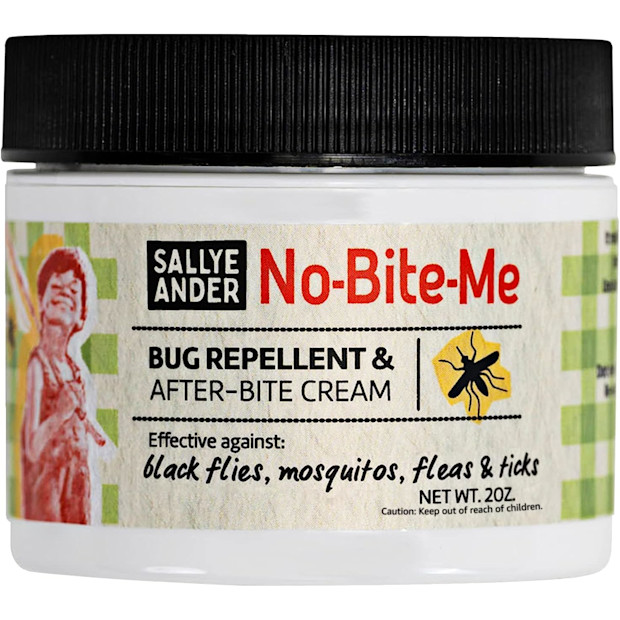
This essential oil cream works overtime to do double duty on insects. Apply it before going outside to repel mosquitoes, black flies, fleas and ticks. And, just in case you forgot repellent beforehand, use it to soothe any itchy bites.
Keep in mind: It’s made with a blend of seven essential oils (including lemongrass, geranium, thyme, clove, spearmint, rosemary and cedarwood), so the smell packs a punch. If you’re sensitive to scents, we recommend trying a different product. Also, one application only lasts up to four hours, so you may need to reapply it more often than other repellents.
Can Babies Use Bug Spray?
Yes, but it depends on baby’s age and the bug repellent’s ingredients. DEET is safe for babies over two months old, and babies, toddlers and young children should only use DEET concentrations of 30% or lower.
Picaridin is also safe for babies over two months old in concentrations of 20% or lower.
Most essential oils are safe for babies over two months, but oil of lemon eucalyptus (also known as para-menthane-diol) is not safe for children under three years old.
While bug sprays are effective, and all of the above repellents are considered safe for babies over two months old, Dr. Johns recommends that you also protect baby’s skin with clothing. “In addition to bug spray, cover your kids up with breathable, loose fitting fabrics that cover the entire arms and legs to decrease the chance of burns and bites,” she says. Close-toed shoes and hats should also be part of your baby’s defense against insects. Then, for any bits of skin that aren’t covered by clothes—wrists, neck, ankles—that’s where insect repellant comes in.
What Repellents are Safe for Babies?
Insect repellents come in lotions, sprays, wipes, balms and even patches, but there are three primary anti-bug ingredients that can safely be used on children: DEET, Picaridin and essential oils.
DEET
The AAP recommends using the lowest amount of DEET possible, which is usually about 7% to 10%. And even then, the AAP says to use it sparingly and only when absolutely necessary, and to only apply it to exposed skin. Babies two months or younger should not be exposed to DEET at all.
Keep in mind that the percentage of DEET doesn’t change the level of effectiveness. A higher percentage just means that the anti-bug protection lasts longer. Repellents with 10% DEET provide protection for about two hours, while 30% protects for about five hours. Choosing repellants with 10% or less DEET means you’ll need to reapply it on your baby’s exposed skin more often. If you want something that’s longer lasting, Dr. Johns says that up to 30% DEET is safe for babies older than two months, or you can opt for using Picaridin, which typically lasts longer than DEET.
If you’re worried about side effects with DEET, here’s what to know:
DEET can cause eye irritation, so keep it far away from your child’s eyes.
In very rare cases (think one in 100 million), it has caused adverse reactions in the nervous system.
Picaridin
Picaridin is great at keeping both mosquitos and ticks at bay just like DEET, but it has a much lower risk of irritation and neurotoxic side effects. It’s also effective for longer periods of time (a 20% concentration gets you five to twelve hours of protection), so you don’t have to reapply as often. But Dr. Johns says to keep in mind that it may be overall less effective than DEET at keeping bugs away. Picaridin also hasn’t received as much long-term research and testing as DEET. Babies two months or younger should not use Picaridin.
Essential Oils
As natural alternatives to DEET and Picaridin, botanical essential oils like cedar, citronella, clove, lemongrass, soybean and peppermint can help drive bugs away. But while they typically smell a lot better than chemical-based repellants, most essential oils haven’t had as much scientific research and testing for their effectiveness, and babies under two months shouldn’t use essential oil-based bug sprays.
Some parents report good results with botanical-based products, but they often need to be reapplied more frequently and have only been shown to ward off mosquitoes (not other bugs). And since essential oils smell so good, they may end up attracting more insects than repelling them.
Additionally, although essential oils come from nature, there are a few safety notes when it comes to insect repellents. “Essential oils may be irritating to the sensitive skin of babies,” Dr. Johns says. “I recommend that parents do a ‘patch test’—apply a small application of the insect repellent to an area on the child’s arm and make sure there’s no redness, itching or irritation before applying it elsewhere more widely.”
Also, be sure to avoid bug sprays containing oil of lemon eucalyptus (para-menthane-diol), since it isn't recommended for use on babies and children under three years old due to increased risk of skin irritation.
Bug Spray Safety
Let’s face it: No repellent is 100% perfect. You need to watch the clock and reapply as required without missing a spot. If you’re in a particularly bug-heavy area where your child is at high risk of getting bitten by mosquitoes or ticks, it’s best to go with the heavy hitters: DEET or Picaridin. If the concern isn’t as great where you are, it may be better to stick to clothing coverage, essential oil repellents or the absolute lowest concentrations of DEET or Picaridin. But don’t ditch exercising, playing and enjoying the outdoors—just take these precautions and have a good time:
Avoid insect repellents on babies two months and younger. Instead, you’ll need to rely solely on physical barriers like long-sleeved shirts, long pants and mosquito netting for strollers and carriers. Just make sure the material is lightweight so your little one’s skin can breathe.
Pregnant or breastfeeding parents can safely use DEET and Picaridin products.
Avoid aerosol sprays. “While sprays seem easier to apply, it’s difficult to guarantee a uniform application on the skin,” Dr. Johns says. “And if inhaled, [they] can be a lung irritant.” You want to avoid having your kiddo accidentally inhale bug repellant chemicals, which is why you won’t see any aerosol bug sprays on this list.
Avoid applying insect repellent to babies’ hands, since they often shove them in their mouths. Also, you’ll want to steer clear of putting it near their eyes or mouths or on any open cuts or scrapes.
Patch-test essential oil repellants. “Essential oils may be irritating to the sensitive skin of babies,” Dr. Johns says. “I recommend that parents do a ‘patch test’—apply a small application of the insect repellent to an area on the child’s arm and make sure there’s no redness, itching or irritation before applying it elsewhere more widely.”
Avoid oil of lemon eucalyptus. This repellent ingredient isn't recommended for use on babies and children under three years old, so look for bug sprays without it.
Avoid combination sunscreen-and-repellent products. Although it seems like a great idea, it’s not. Depending on the repellant ingredients, the sunscreen may need to be reapplied more frequently than the bug repellent. By repeatedly slathering on a combo product, you’re exposing your child to more chemical repellent than is needed or recommended.
Apply sunscreen first. Allow your baby’s sunscreen to fully soak in, then follow up with bug repellent.
Expert Sources
Babylist content uses high-quality subject matter experts to provide accurate and reliable information to our users. Sources for this story include:
Dr. Christina Johns, pediatrician & pediatric emergency physician at PM Pediatric Care

;)
;)
;)
;)
;)
;)
;)
;)