
The Best Swaddles of 2026 to Help You Achieve Peak Baby Burrito
(And so your little one can sleep longer and more soundly, too.)

By
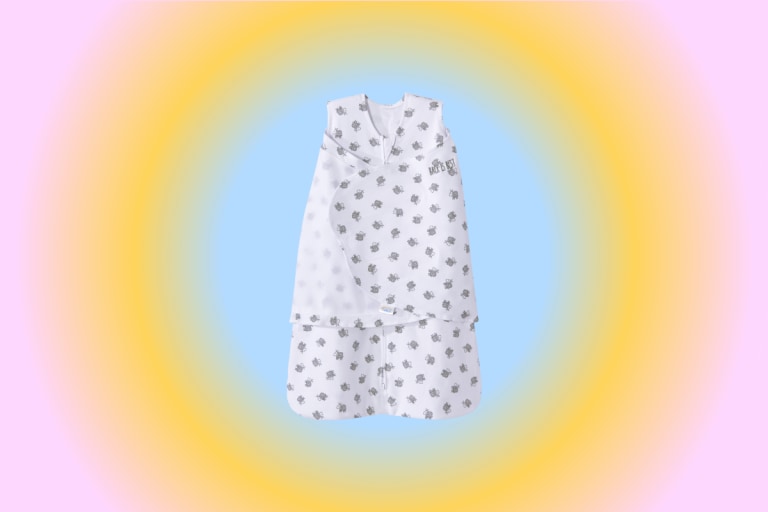
If you've never had a newborn, wrapping your baby so tightly that they can't move their arms might sound a little wild—but many parents and pediatricians will tell you it works. Many babies cry less and sleep more when they're wrapped snugly.
We've tested and reviewed dozens of swaddles, from traditional muslin blankets to options with built-in flaps and zippers. Our top pick for most families is the Halo SleepSack Swaddle—an easy-to-use, affordable option that stays in place and keeps babies snug, secure and sleeping soundly. We're also sharing a few more top performers, including a traditional muslin option, a sampler box and more, because swaddles aren't always one-size-fits-all for babies or parents.
How We Judged the Best Swaddles
Best Swaddle Overall
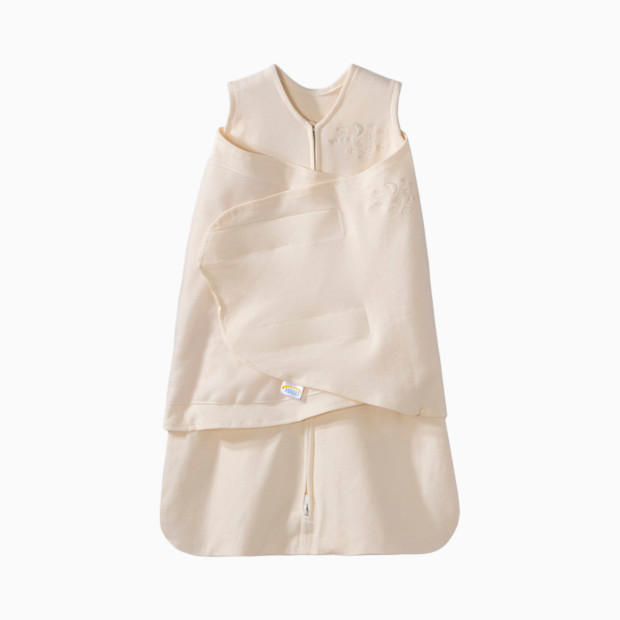
Halo SleepSack Swaddle Cotton - Cream, Newborn
From $34.95Pros
- Parent favorite
- Easy to use
- Bottom zipper = easy diaper changes
Cons
- Velcro is loud
- Some babies can wiggle out
TL;DR
The most-loved swaddle among Babylist parents, the Halo SleepSack is easy to use, stays in place and keeps babies snug without compromising hip health. The loud Velcro and occasional Houdini baby escapes are the only real drawbacks.
The Halo SleepSack makes swaddling a no-brainer—and that’s what I love most about it. Babylist parents agree; almost 30% chose it as their favorite swaddle in our annual survey (making it the top choice overall), calling it “easy” and “convenient." “Using the Halo saves so much time overnight,” one parent said.
Much of this love is due to the swaddle’s Velcro wings. They wrap around your baby’s arms, positioning them against their body and securing them there. This helps prevent the startle reflex, which is often the culprit of frequent newborn wakings. It also keeps your little one’s arms in a safe sleep position.
“The Halo is great for newborns because you can bring the baby's hands to the middle and still get a nice tight swaddle without straightening out the elbows,” explains Dr. Emily Spaeth, a physical therapist and founder and CEO of Be Well Baby PDX. “I can't stress this enough—do not stretch out your baby's elbows! Gravity does a wonderful job of gently unfolding your baby. Forcing their elbows into extension makes it difficult for them to soothe themselves, and may cause unnecessary strain on their biceps and increased shoulder tension.”
Because this swaddle zips from the bottom, diaper changes are quick and easy. And unlike many other swaddles, this sleepsack style is looser around the legs, promoting hip health. “These sacks allow your baby's legs to be free, an added bonus,” Dr. Spaeth explains. You can even leave your baby’s arms out completely and fasten the wings around their waist, or swaddle with one arm in and the other out if you’re working on transitioning to a regular sleep sack.
If you live in a cooler climate, add the fleece version of this swaddle to your registry. There’s also one made from organic cotton and a soft bamboo version.
Worth noting:
The Velcro makes a loud sound when unfastening, which may startle some sleeping babies.
Some squirmier babies can work their way out.
Don't forget to fasten the Velcro wings before tossing the swaddle in the wash—otherwise you'll end up with baby clothes (and whatever else is in the machine) stuck to it.
Best Swaddle for Your Baby Registry
Pros
- Includes 4 bestselling swaddles
- Try before you stock up
- Giftable
Cons
- Expensive
- Newborn sizes may not fit all babies
TL;DR
If you're not sure which swaddle style will work for your baby, the Swaddle Box is the smartest registry add. It lets you try four bestselling swaddles before committing to a full stash, and it makes a great gift, too.
Here’s the thing about babies: It’s hard to know what they’ll like (and what they most definitely will not) before they arrive. One of my sons loved a tight swaddle—the snugger the better. The other, not so much.
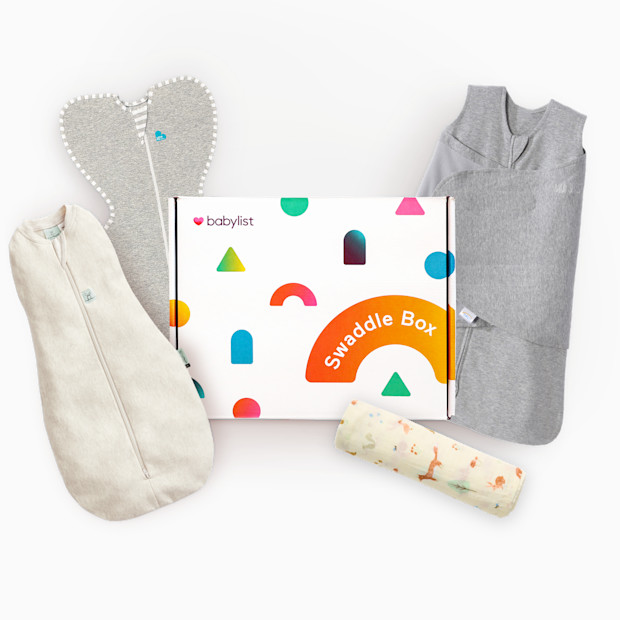
Instead of committing to one type of swaddle before your baby arrives, the Swaddle Box lets you try out four bestselling (and completely different) swaddle brands and styles. You can see what your baby likes the most before you commit. You’ll also get to see which you prefer, and then you can stock up from there.
“The Swaddle Box was extremely helpful as a first-time mom,” shared one parent in our survey. “Not only the price, but the variety of them. Having recommendations by experts was really helpful since there are so many options in the market,” she said.
The box includes four popular picks: ergoPouch, Love to Dream, Halo and aden + anais.
Worth noting:
At $82.99, it's a bigger upfront investment than buying a single swaddle, though cheaper than buying all four separately.
The newborn sizes may not fit all babies, particularly larger newborns who may size out quickly.
Best Swaddle for Babies Who Don’t Like Swaddles
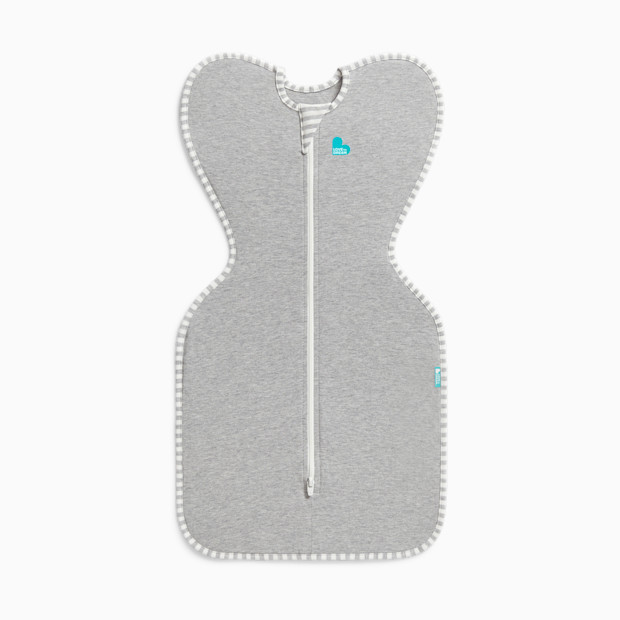
Love to Dream Swaddle Up Original 1.0 TOG - Gray, Newborn
From $34.95Pros
- Great for reluctant swaddlers
- Arms-up design follows babies' natural soothing instincts
- Easy on and off
- Quiet
Cons
- Not all babies like arms-up position
- Very size-specific
TL;DR
The Swaddle Up is a game-changer for babies who resist traditional swaddles. The arms-up design follows many babies' natural sleep instincts, and the simple zipper makes middle-of-the-night changes easy—but sizing needs to be exact.
The runner-up in our Most Loved Baby Products—14% of parents said this was their favorite swaddle—the Love to Dream Swaddle Up is the blanket of choice for babies who aren’t feeling the traditional swaddle approach. It’s the swaddle I used with my second son, who fit this description to a tee: he was not happy with his arms on his chest or at his sides, but he needed a swaddle otherwise he’d wake up every 20 minutes. Enter this arms-up swaddle that saved the day.
The “raise the roof” style of the Swaddle Up follows babies’ natural instincts to sleep with their arms over their heads so they can self-soothe with their hands in or near their mouths. “I like this because it allows for free movement of the hands while still providing a boundary,” says Dr. Spaeth. Many parents agree. “My daughter would only sleep with her arms up and hated any other swaddle,” one survey respondent told us. “We were finally able to get some sleep.”
I appreciate how easy this swaddle is to get on and off (it’s just one simple two-way zipper) and that you can leave it on for diaper changes. It’s also the perfect transition swaddle if you’re looking to make the switch from a traditional arms-in swaddle to a sleep sack.
Worth noting:
Sizing needs to be exact. Because baby's arms are up, the fit around the neck must be snug enough that no fabric can work its way toward their mouth or face. Size down if your baby is between sizes.
Love to Dream also makes an organic cotton version of this popular swaddle, as well as one made from bamboo viscose and a lighter, cooler 0.2 TOG version for warmer climates.
I also recommend the brand’s Swaddle Up Transition Bag when it’s time to leave the newborn swaddle behind. Each arm wing zips off, transforming the arms-up swaddle into a traditional sleep bag. It made the swaddle-to-sleep-sack transition easy and was one less item I had to buy.
Best Value Swaddle

SwaddleMe SwaddleMe by Ingenuity Monogram Collection Swaddle Wrap
From $29.99Pros
- Good value
- 100% cotton works in all climates
- Easy diaper changes
Cons
- Loud
- Some babies may wiggle out
TL;DR
A budget-friendly swaddle that gets the job done, the SwaddleMe is simple, comes in a multipack and works in any climate. A solid pick if you don't want to spend a lot on something you'll use for just a few months.
If you consider all the items you’ll use over the course of your child’s lifetime, swaddles occupy a pretty short chunk of that time. Many parents don’t want to spend a lot on something they won’t use for very long. The SwaddleMe is a solid, affordable pick and comes in a multipack, so you’ll always have a backup ready to go.
The SwaddleMe is a simple pouch with fabric wings that creates a snug, soothing sack for your baby. Like the Halo, this swaddle uses hook-and-loop closures to secure the heart-shaped wings around your baby and can be as loose or as snug as you (and they) prefer. There’s also a pocket fold design, so you can access your baby’s diaper without removing the entire swaddle. This is an improvement from the original SwaddleMe design, which didn’t feature this convenience.
Worth noting:
Like other hook-and-loop closure swaddles, the fasteners are loud when you undo them—potentially enough to startle a sleeping baby.
Some wigglier babies may find their way out.
Best Muslin Swaddle
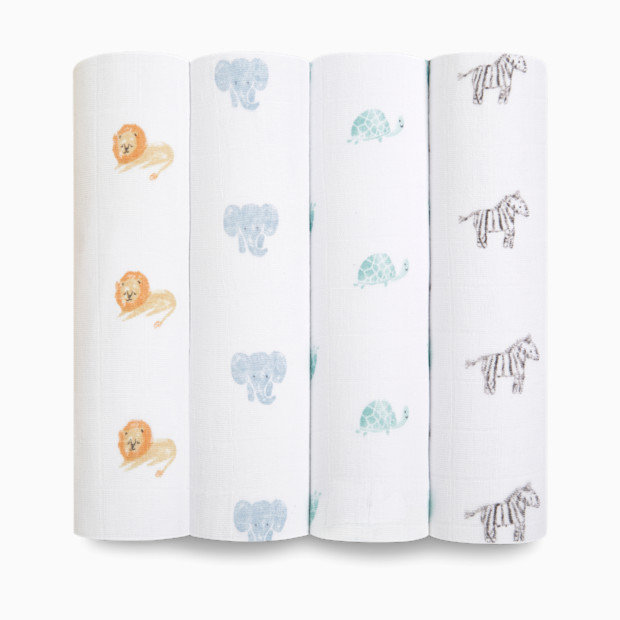
Aden + Anais Cotton Muslin Swaddle 4-Pack - Animal Kingdom
From $59.95Pros
- Versatile
- Super soft
- Beautiful prints + organic options
Cons
- Takes practice
- Can be hard to get a snug fit
TL;DR
The gold standard of muslin swaddles: soft, breathable and useful well beyond the newborn stage. Just know there's a learning curve, and wiggly babies may work their way out.
Before the zippers, before the wings and before the Velcro, there were muslin swaddles. And Aden + Anais is the gold standard. Known for their soft, lightweight fabric that gets better after every wash, these swaddles are true nursery workhorses. They can be used well beyond the baby burrito phase as nursing covers, burp cloths, playmats or stroller blankets. And they come in tons of patterns and colors, including Disney prints. I recommend that every parent-to-be add a pack to their baby registry.
Since these are traditional blankets, expect it to take a little time—and a little practice—to get the hang of swaddling with them. Pro tip: postpartum nurses are magical swaddling wizards. Learn from them!
Worth noting:
There's a real learning curve with traditional muslin swaddles. Don't get discouraged if it takes a few tries.
The fabric has some give, which some parents love, but it can make it harder to achieve a truly snug fit.
Determined Houdini babies may break free, especially as they get bigger and stronger.
Other Swaddles We Love
Babies are picky! (And there are so many great swaddles!) Here are a few more options we love.
Best Organic Swaddle
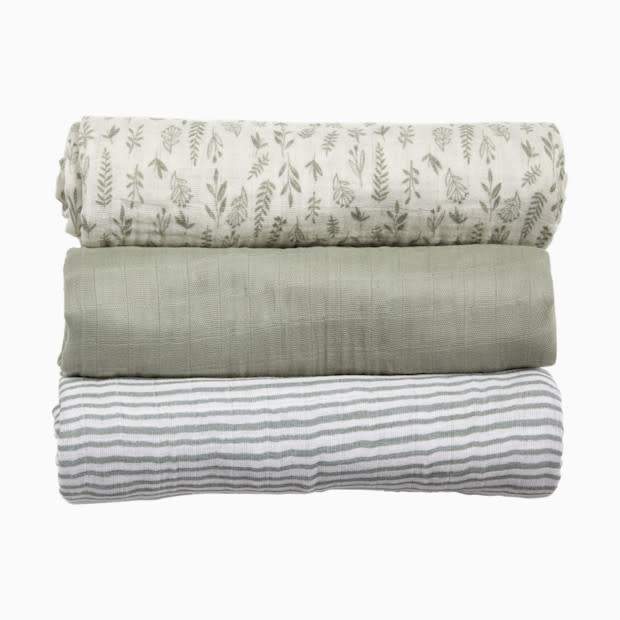
Tiny Kind Organic Muslin Swaddle (3 Pack) - Sage Multi Leaf
From $36.99If you want the classic muslin experience in certified organic cotton, Tiny Kind delivers. Made from GOTS-certified organic cotton that's free of harmful chemicals and synthetic additives, these pre-washed swaddles are soft right out of the package and pull double duty as stroller blankets, nursing covers or impromptu changing pads. Exclusive to Babylist.
Most Stylish Swaddle
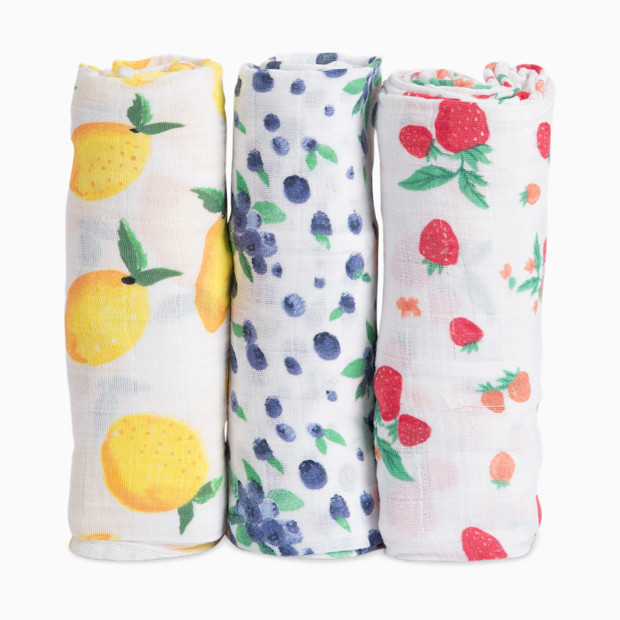
Little Unicorn Cotton Muslin Swaddle 3 Pack - Berry Lemonade
From $49.99From woodland friends to boho florals, Little Unicorn's muslin swaddle collection has a print for every nursery aesthetic. Large, light and breathable, these cotton muslin swaddles strike the perfect balance of sophistication and whimsy.
Best Muslin Alternative
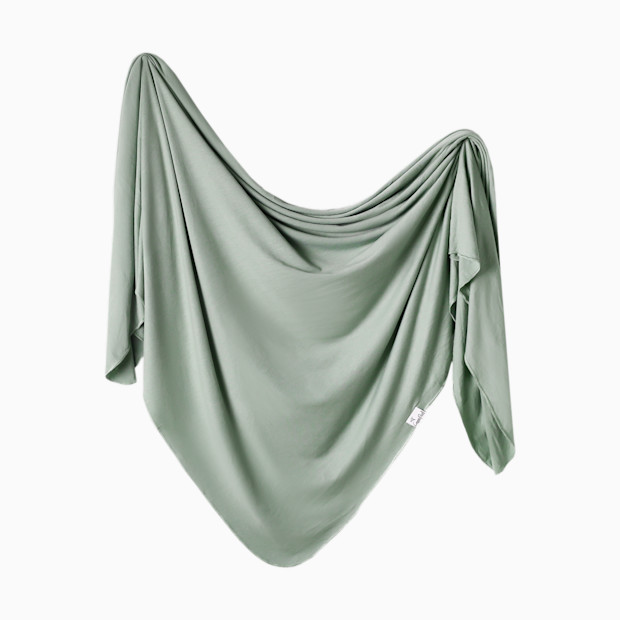
Copper Pearl Swaddle Blanket - Briar
From $27.99Too little stretch and you can't get a snug fit; too much and your baby will wiggle right out. Copper Pearl's polyester/rayon knit blend hits the sweet spot. It's easier to wrap than muslin and more secure once you do. I actually prefer these over muslin in the early weeks of swaddling for exactly that reason.
Best Swaddle for Winter
ergoPouch Cocoon Swaddle Sack 2.5 Tog - Sage, Newborn
From $59.95Designed specifically for cooler temperatures, this swaddle bag has a TOG rating of 2.5 (TOG = Thermal Overall Grade, a measure of how much heat fabric retains), keeping babies warm down to about 63°F/17°C. The snug fit helps suppress the startle reflex, and the bag transitions to an arms-out sleeping bag when it's time to move on.
Best Swaddle for Summer
Halo Ideal Temp SleepSack Swaddle - Heather Grey/Aqua, Newborn
From $33.54When temperatures rise, this temperature-regulating swaddle absorbs, stores and releases heat to keep babies comfortable while they sleep. It can be used three ways—arms in, arms out or hands-to-face—making it one of the more versatile options on this list. I find that it runs large, so size down if your baby is between sizes.
Why Trust Babylist?
Babylist is the expert in baby; we know baby gear inside and out. We talk with parents face-to-face in our showroom and on our user panels and hear from thousands annually via our Best Baby Products online survey. We know what items millions of expecting parents are adding to their baby registries.
Firsthand professional and personal experience. As Babylist’s gear editor and a parent myself of two (very squirmy) boys seven years apart, I’ve used, tested or reviewed what feels like almost every swaddle under the sun. I’ve used traditional muslin options, stretchy blankets, Velcro options, and swaddles with wings, zippers and more. If Baby Burrito-ing were an Olympic sport, I’d medal. I kept all of this in mind as I made my best swaddle picks.
Expert interviews. In researching and writing this guide, I spoke with three experts: Dr. Emily Spaeth, a physical therapist and founder and CEO of Be Well Baby PDX; Dr. Robert Quillin, a board-certified pediatrician and medical director at Pediatrix Medical Group; and Dr. Natalie Barnett, PhD, vice president of clinical research at Nanit.
Swaddle data. I regularly analyze which baby products our users are adding to their baby registries the most (and which ones they aren’t) and what our team of Merchandising experts—our buyers who are responsible for ensuring the Babylist Shop is stocked with the best and newest gear—is excited about. Studying this kind of data helped us choose which swaddles to narrow in on and which ones to recommend to new and expecting parents.
Feedback and reviews. I reviewed comments and feedback from Babylist’s annual product survey of thousands of parents, read customer reviews from hundreds of Babylist users and spoke to parents on our staff about their real-life product experiences.
What Is Swaddling?
Swaddling is a technique of wrapping a thin, breathable blanket around your baby to restrict their movement. For many newborns, it's one of the most effective tools for sleep and soothing in the early weeks.
“The primary reasons for swaddling a baby are for soothing their immature nervous system, for warmth and to provide comfort and/or promote sleep,” explains Dr. Robert Quillin, a board-certified pediatrician and medical director at Pediatrix Medical Group.
What Are the Benefits of Swaddling?
When babies are in the uterus, they have something called physiologic flexion—they're flexed up like a cute little baby ball, developing the strength and muscle tone they'll need to be born. Once they're out in the real world, there's gravity to contend with, and that adjustment can be overwhelming. Swaddling can help.
Here are the main benefits:
Comfort and security. Swaddling mimics the snug feeling of the womb, which can be calming for many newborns, explains Dr. Natalie Barnett, PhD, vice president of clinical research at Nanit.
Reduced startle reflex. The startle reflex (also called the Moro reflex) is when your baby suddenly extends their arms, legs and neck, then quickly pulls them back in. It's one of the most common causes of frequent newborn wakings. Swaddling helps suppress this reflex, so babies sleep longer and more soundly.
Warmth without risk. A swaddle keeps your baby warm while they sleep without any loose blankets, which are a suffocation hazard and not approved for safe sleep per the American Academy of Pediatrics.
What Are the Risks of Swaddling?
Swaddling is safe when done correctly, but there are a few things to keep in mind.
Overheating. Don't overdress your baby underneath the swaddle, especially if you're using a thicker material, explains Dr. Barnett. In most cases, a lightweight footed pajama is all you need. If the swaddle is particularly heavy, a short-sleeved bodysuit works too.
Hip dysplasia. Wrapping your baby's hips and legs too tightly can very occasionally lead to hip dysplasia (infant hip instability). Look for swaddles that are looser around the hips and legs to allow for natural movement, according to Dr. Barnett.
Missing hunger cues. If your baby is struggling to gain weight, swaddling may not be the best idea. "Sometimes, swaddling and using other sleep tools to keep your baby asleep (motorized bassinets, shushers, etc.) can bypass a baby's cues to stir and let you know they are hungry," explains Dr. Spaeth.
Flat spot. Swaddled babies tend to move less, which can occasionally lead to a flat spot on the back of the head or decreased neck motion, notes Dr. Spaeth.
Should All Babies Be Swaddled?
Babies don't need to be swaddled, but it's absolutely worth trying, especially if your newborn is fussy or waking frequently. That said, not every baby takes to it right away. "Some babies prefer to have their arms free from an early age and don't like being wrapped up," says Dr. Barnett.
If yours resists at first, don't give up. "Continue to try it for a few weeks—they might start to like it, and it can become a tool to help calm them or get them ready for sleep," she advises. And if your baby truly hates a traditional swaddle, the Love to Dream Swaddle Up is worth trying before you abandon the swaddle altogether.
What Are the Different Types of Swaddles?
There are two types of swaddles:
Traditional swaddle blankets. Large, thin blankets you wrap around your baby yourself. The upside: they're versatile and can double as burp cloths, playmats and stroller blankets long after the swaddling phase is over. The downside: there's a real learning curve.
Two-in-one swaddles (swaddle sacks). The easier option for most new parents. These come with built-in Velcro, snaps or zippers to help you get a snug fit quickly, and depending on the style, baby's arms can go up, down or out.
How many swaddles do I need?
Finding the best swaddle for your baby often takes some trial and error. Some babies show a definite preference for one type of swaddle over another, and you may, too. Once you find one that clicks, plan to have two or three on hand. If you're not sure where to start, the Babylist Swaddle Box is the smartest way to try a few styles before committing.
How to Swaddle a Baby
Swaddling takes practice, especially with a traditional blanket. Don’t get discouraged if your baby protests at first or if it takes a few tries to get the wrap right. Most babies find swaddles comforting once they get used to them. If you're struggling, a two-in-one swaddle sack has a much faster learning curve, and postpartum nurses are excellent swaddling teachers if you get the chance to learn from one in the hospital.
When Should You Stop Swaddling?
Stop swaddling as soon as you see any signs of rolling—this is the most important rule. “It’s unsafe for a baby to roll onto their tummy if they are swaddled because that is a suffocation risk,” explains Dr. Barnett. “Babies usually show signs of rolling somewhere between two and four months. We want to transition out of the swaddle at four months at the latest,” she says.
Dr. Spaeth recommends transitioning even earlier—around six to eight weeks—and advises watching for subtler cues too. "Once your baby is breaking free of the swaddle themselves, they are likely ready to transition out of it," she says.
When it's time, most parents move on to a sleep sack: a wearable blanket that’s a safer alternative to loose blankets in the crib. But it can be a bit jarring to abruptly make the switch from a snug swaddle to an unrestrictive sleep sack. You can try swaddling with one arm out for a few nights to ease into making the switch, or try a swaddle transition.
