
The New Parent’s Guide to Combo Feeding With Breastfeeding and Formula
A flexible, judgment-free guide to feeding your baby with breast milk and formula.

By

Feeding your baby doesn’t always follow one path—and that’s totally normal. For some families, that means breastfeeding. For others, it’s formula. And for many, it’s a bit of both.
This guide is here to help you understand combo feeding (also called mixed feeding or supplementing) which means using both breast milk and formula. It’s a flexible, supportive option that can meet your baby’s needs and your own. There are no strict rules and no “all or nothing” mindset—it’s all about what works for you.
Some parents start combo feeding from day one. Others introduce formula later on, whether it’s because of milk supply, sleep, mental health, work schedules or just making life more manageable. However you get there, combo feeding is a choice that works for many families.
To help you navigate it, I’m bringing both personal experience and expert advice. In addition to being Babylist’s associate editor, I’ve completed 52 hours of lactation counselor training to become a CLC, and as a parent of two, I know what it’s like to figure out how to keep two tiny humans fed and happy. I also spoke to Bethany Ferguson, MS, RDN, IBCLC, a registered dietitian and lactation consultant, and Christie del Castillo Hegyi, a board-certified emergency physician and author of Fed is Best, to help break it all down.
Why Do Parents Choose to Combo Feed?
Combo feeding means feeding your baby both breast milk and formula—and that breast milk might come straight from the breast or from a bottle after pumping. Supplementing with formula is often necessary for babies who aren’t getting enough milk due to the parent facing milk supply challenges or because of baby’s medical reasons.
Whether it's a short-term solution or your long-term plan, combo feeding is a valid choice. There are a lot of reasons parents and caregivers might decide to combo feed, including:
Low milk supply. Some parents aren’t able to produce enough breast milk for exclusive feeding, even after trying all of the things to boost milk supply—and that’s okay. “There are so many reasons why milk supply can be low and the answer is not always easy to get to,” says Bethany Ferguson, IBCLC and founder of Nourishing Babes.
Physical or emotional well-being. Breastfeeding can be physically demanding or emotionally complex, especially when paired with recovery, postpartum mental health or personal boundaries.
Work and routine. Pumping at work or around the clock may not be sustainable for some parents, especially long-term.
Sleep and rest. Sharing nighttime feeds with a partner or caregiver can help everyone get more rest.
Flexibility and freedom. Formula feeding—even occasionally—can offer breathing room in a pretty demanding season of life.
Whatever your reason, combo feeding doesn’t mean you’re falling short—it means you’re tuning in to what works best for you and your baby.
How To Combo Feed Your Baby
Combo feeding involves creating a plan that fits your baby’s needs and your life—here’s how to start the transition with confidence.
Step 1: Decide What “Combo” Means for You
There’s no single way to combo feed—and that’s the beauty of it. Some parents offer mostly breast milk with an occasional bottle of formula. Others give formula during night feeds or while at work. You might alternate feedings or switch it up day to day. Ferguson says, “Parents should know that combo feeding can help support their feeding goals and it doesn't mean that breastfeeding has to end.”
Start by thinking about your reason for combo feeding. Are you trying to boost baby’s intake? Give yourself a break during night feeds? Ease the transition back to work? Your why can help guide your how—and how often.
Once you’ve got that figured out, you’ll get a better idea of how to actually do it in real life.
Here are a few common feeding patterns parents find helpful, just keep in mind there isn’t one “right” way to do it:
💡Breastfeed most of the time, with occasional formula bottles
A helpful option for parents who want to continue breastfeeding but add flexibility for certain feeds or caregivers.
💡Breastfeed during the day, formula at night
This allows for longer stretches of sleep and shared nighttime feeds, especially in those early months.
💡Formula first, then “top off” with breastfeeding—or vice versa
This approach can help with satiety while also supporting milk supply or maintaining a breastfeeding connection.
💡 Pumping + formula combo
Especially helpful for parents who don’t nurse directly or are returning to work and want to balance pumping with formula feeds.
💡 Primarily formula feeding, with occasional nursing for comfort or connection
Some parents continue to nurse during cuddly moments or naps, even if most feeds are formula. You can still get the bonding benefits of nursing without it being your main feeding method.
Also, keep in mind that combo feeding doesn’t have to be a permanent choice—it can evolve along with your family’s needs.
Step 2: Gather All the Helpful Gear for Combo Feeding
You don’t need a ton of extra gear to combo feed—but having a few smart tools on hand can make the process a lot smoother, especially when you’re juggling breast milk, formula and bottles.
Here are some parent-favorite picks that can help:
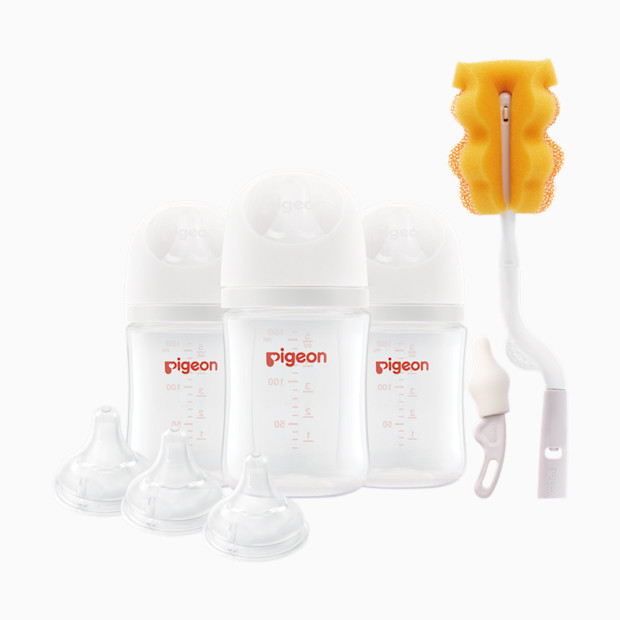
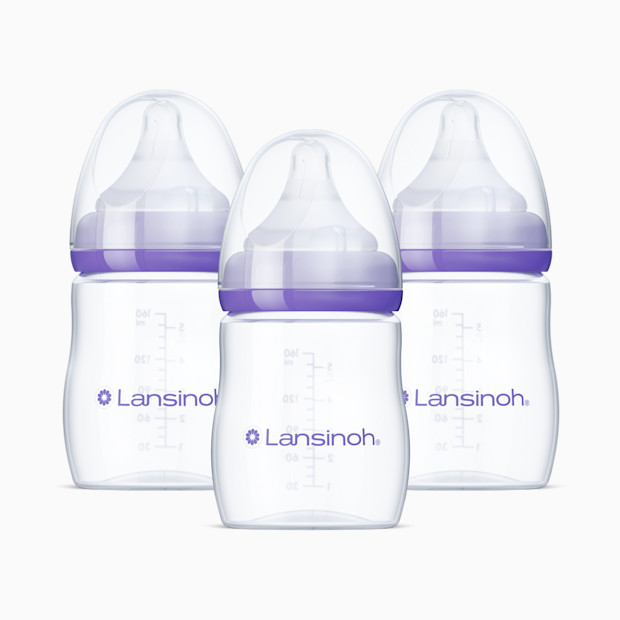
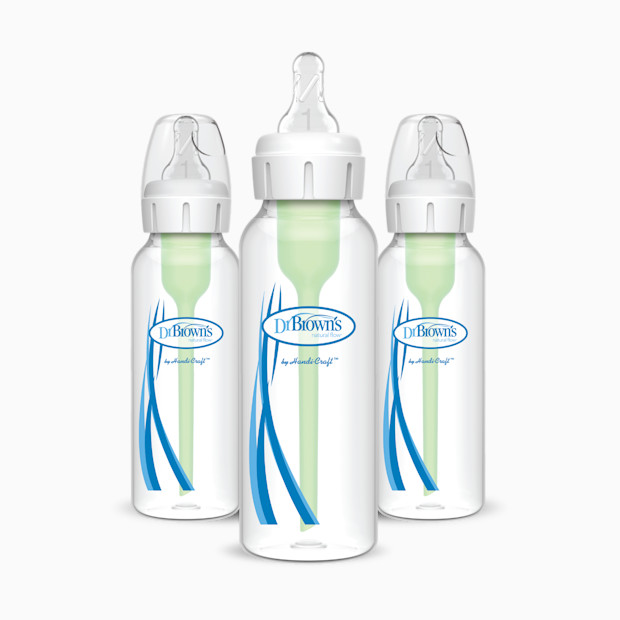
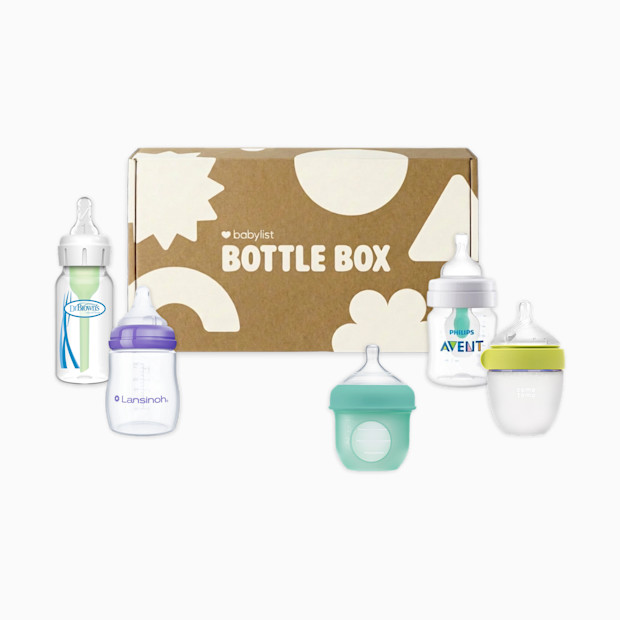
🍼 Bottles and Nipples That Make the Switch Easier
Look for bottles designed to mimic the feel and flow of breastfeeding—they can help baby go between breast and bottle more easily.
🌀 Formula Mixer or Dispenser
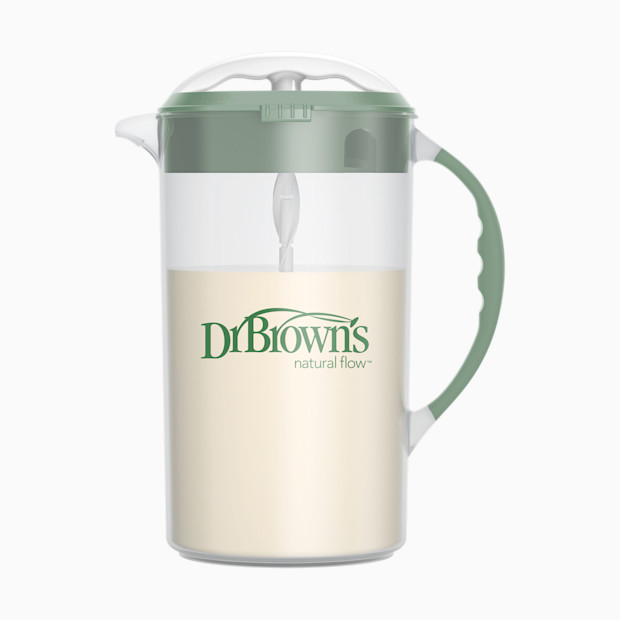
If you’re prepping more than one bottle a day, a formula mixing pitcher saves time and reduces clumps. If you’re going to be using formula frequently, it might be helpful to invest in a formula maker.

🔥 A Bottle Warmer (That Doesn’t Need Water)
Warming bottles quickly and consistently = less crying (from both of you).
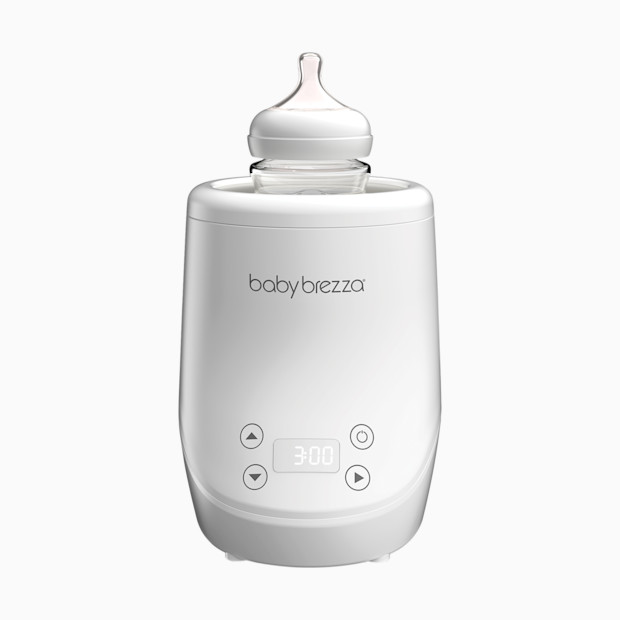
Baby Brezza AirSwirl Waterless Bottle Warmer
From $99.99🧊 Milk Storage Bags
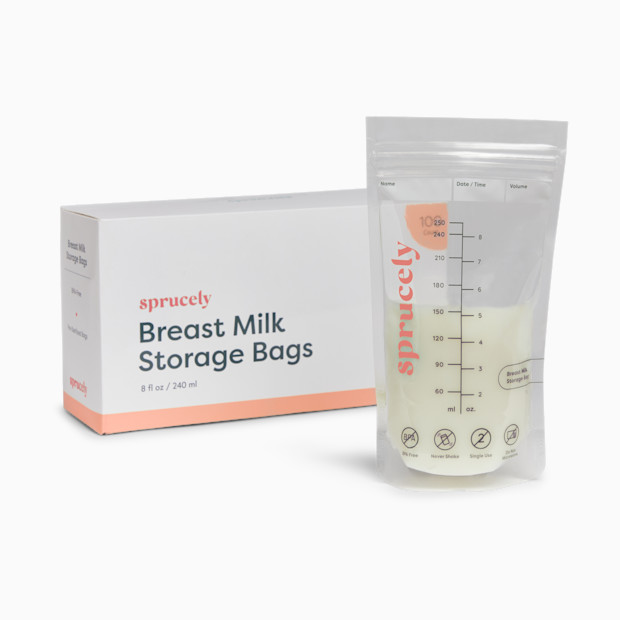
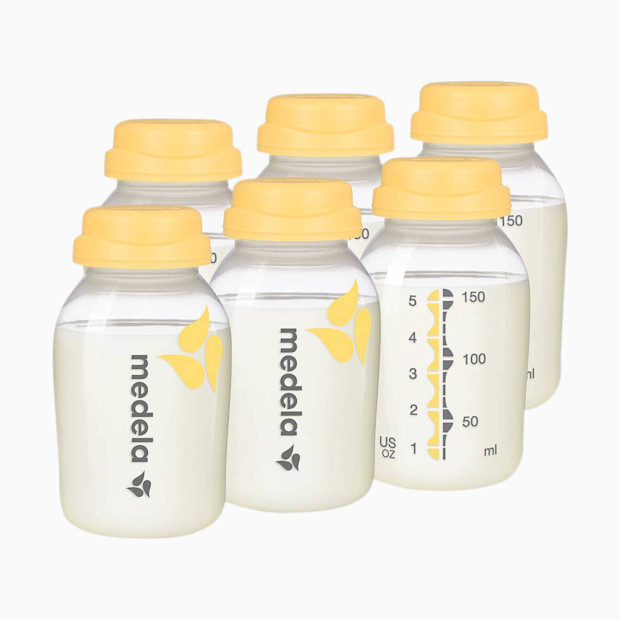
If you’re pumping at all, having the right storage setup helps you stay organized and stress-free. Try milk storage bags that freeze flat and take up less space in the freezer. And some storage containers connect directly to your pump to streamline the process.
Once you've got your supplies, organization is key. Check out our nursing and pumping cart and formula prep station guides for our best tips to keep everything ready when you need it.
Step 3: Introduce One Change at a Time
Now that you have a better idea of what combo feeding might look like for your baby, it might be tempting to overhaul everything at once—especially if feeding has been a challenge. But taking it slow helps both your body and your baby adjust.
If you’re introducing formula:
Start by swapping just one feed a day with a formula bottle. This helps baby get used to the taste and texture while also giving your body time to respond (especially if you’re nursing or pumping less). It also lets their digestive system ease into the change.
Not sure which formula to use? Don’t stress—there are a lot of great options out there. Most formulas are regulated to meet babies’ nutritional needs, so you really can’t go wrong. “There’s a lot of marketing around things like ‘organic,’ ‘closest to breast milk,’ or ‘European,’ but most of those claims don’t translate into meaningful nutritional differences,” says Dr. del Castillo-Hegyi. “If I had to do it all over again, I would have bought store-brand formula.”
That said, there are different types (like cow’s milk-based, gentle, or hypoallergenic), and some babies do better on one type than another. Here’s our guide to the best baby formulas to help you decide.
When you’re used to nursing, you don’t always know how much milk your baby is taking in—so figuring out how big a bottle to make can be a learning curve. A good starting point is to offer two to three ounces in the first bottle. You can always adjust based on your baby’s hunger cues.
And one more helpful tip: If your baby seems unsure about taking that first formula bottle, try having another caregiver offer it. Sometimes it’s easier for baby to try a bottle from someone who doesn’t smell like milk.
If you’re adding breast milk (via nursing or pumping):
Sometimes families start out using formula—whether by choice, necessity, or circumstance—and then introduce breast milk later on. “You can absolutely build up your supply over time, or continue with a mix,” says Ferguson. “It doesn’t have to be all or nothing.”
Maybe your milk supply has come in after a delayed start, you’re working with a lactation consultant, or you’ve received donated milk. However you get here, adding breast milk is absolutely possible.
When you’re combo feeding, it can help to offer breast milk first (either by nursing or bottle) when your baby is hungriest. This can support milk production if you're nursing and helps your baby stay familiar with the taste and experience of breastfeeding or expressed milk. Then, if they’re still hungry, you can top off with formula.
If you’re dropping a breastfeeding or pumping session:
Reduce gradually—one session every few days—to avoid sudden dips in supply, engorgement or clogged ducts.
⚡️ Pro tip: Slow transitions help avoid sore boobs and feeding stress. Go at your own pace—you know your body and your baby best.
Bonus Tip: Follow Your Baby’s Cues
Babies may not have words yet, but they’re great at letting you know what they need (even if it takes a little time to figure out their signals).
As you adjust your feeding plan, keep an eye out for:
Hunger cues: Rooting, sucking on hands, smacking lips and fussiness are signs baby is hungry
Fullness cues: Slowing down, turning away from the bottle or breast or relaxed hands will let you know they’ve had enough to eat
Discomfort signs: Spitting up more, gassiness or irritability after feeds can signal something is up
Some babies switch between breast and bottle easily. Others need a bit more time—and that’s totally normal. If you’re ever unsure or something doesn’t feel right, don’t hesitate to check in with your pediatrician or a lactation consultant for support.
How to Safely Prepare and Use Formula
Whether you’re supplementing with just one bottle a day or formula is a regular part of your routine, preparing it safely is key. Here’s what to know if you're new to the world of baby formula.
Step 1: Choose a formula
There are a lot of options out there—and that can feel overwhelming fast. The good news? All formula that is sold in the US is regulated to ensure it meets baby’s basic nutritional needs, so you’re not likely to pick the “wrong” one. Del Castillo Hegyi says, “The first most important criteria [is] whether or not the formula is commercially available [and] FDA approved.” This means it’s gone through rigorous testing and monitoring to make sure that baby is getting all of the nutrients they need.
While formula basics are the same from brand to brand, there are some differences in formulations depending on your baby’s unique needs. The two main things to consider are base and type of formula.
Base. Formulas are either cow's milk, goat's milk or soy-based—various options you might consider if your baby has allergy considerations or your family doesn't consume animal products.
Specialty options. Beyond the base, formulas also come in varieties like hypoallergenic, gentle, sensitive and added rice (AR), each made with different digestion or allergy considerations in mind.
Want help narrowing it down? Check out our formula guide for a more in depth explanation of each and our top recommendations to give you an idea where to start.
Step 2: How to mix formula safely
Formula prep might seem intimidating at first, but once you get the hang of it, it’ll feel like second nature. Here’s how to prepare a bottle of formula:
1. Wash your hands
Before handling bottles, nipples or formula powder, make sure your hands are clean. Wash with soap and warm water.
2. Use clean, safe water
Powder formula needs to be mixed with water. If you live in the US and have access to a safe water source, you can use tap water to make your baby’s formula. Many parents like the peace of mind of using bottled or distilled water, too.
3. Follow the formula-to-water ratio exactly
Use the scoop that comes with your formula and follow the instructions on the container. Adding too much powder or too much water can affect baby’s nutrition and hydration. The CDC says to always add the powder to the water, that way you’re getting the right liquid volume.
4. Shake to mix
Seal the bottle and gently shake until the powder and water are well combined and the formula is fully dissolved. A little foam is normal, but some parents find letting the bottle settle for a second helps prevent baby swallowing too much air. There are also formula pitchers (like the Dr. Brown’s Formula Mixing Pitcher, which have a built-in mixing attachment) and formula makers that can help with bottle prep.
5. Check the temperature
Warm bottles are optional—but if your baby prefers it, warm the bottle gently in a bowl of warm water or with a bottle warmer. You should never warm milk or formula up in the microwave as it can cause hot spots.
After you warm the bottle in one of the two safe methods, be sure to check the formula on the inside of your wrist to make sure it’s a safe temp.
💡A quick note on mixing breast milk and formula: Ferguson says, “I recommend giving breast milk bottles separate from formula bottles so no breast milk is wasted or the formula improperly diluted. [The] best practice is to serve them separately.”
Step 3: How to store formula
Like breast milk, once a bottle of formula has been prepared, you’ll need to follow storage guidelines as well.
Freshly mixed formula. Use within one hour of starting a feed, or within two hours of mixing if untouched.
Leftovers. If baby doesn’t finish a bottle, toss the rest—bacteria can grow quickly once it’s been used.
Refrigerated. Formula bottles can be stored in the fridge for up to 24 hours before baby drinks from them.
Prepping ahead of time. If you're making bottles in advance, store them capped in the back of the fridge (where it’s coldest).
Tips For Transitioning Between Bottle and Breast
Whether you’re moving from breast to bottle, bottle to breast, or bouncing between both, transitions can take a little time—and that’s completely normal. Some babies go back and forth easily. Others need a little extra patience and practice (and you might too).
Here’s how to make the switch feel smoother (for both of you):
Time it right. Try introducing a bottle or breast when your baby is calm but hungry—not over-hungry and frustrated, but ready to eat. Midday feeds (vs. first morning or bedtime feeds) can be good practice sessions.
Use a slow-flow nipple. This mimics the pace of nursing and makes it easier for your baby to adjust between bottle and breast.
A note on paced bottle feeding
Breast milk ebbs and flows during nursing, and paced bottle feeding is a technique that mimics the flow of breastfeeding and let’s baby stay in control of the feeding pace. It’s especially helpful for combo feeding or when switching between bottle and breast.
Here’s how to do it:
Hold baby upright. Keep baby in a semi-upright position (like you would during breastfeeding), rather than fully reclined.
Tilt the bottle horizontally. The goal isn’t to have the nipple full of milk the whole time—keeping the bottle more horizontal slows the flow.
Let baby latch onto the nipple. Gently rub the nipple against baby’s lips and wait for them to open wide—just like a breast latch.
Pause every few minutes. Every ounce or so, tip the bottle down or remove it for a short break. This gives baby time to process and decide if they want more.
Watch for cues. If baby slows down, turns away or seems disinterested, they might be full—even if there’s still milk left. That’s okay.
Kaylee Rabaja, a registered nurse and IBCLC has a really helpful video that walks parents through the steps.
What to Know About Combo Feeding and Milk Supply
One thing to keep in mind when you’re combo feeding is that it can affect your breast milk supply. Milk production works on a supply-and-demand system: the more often milk is removed—by nursing or pumping—the more your body gets the signal to keep making it. On the flip side, the less often milk is removed, the more your body may slow or stop production.
“Frequency of milk removal is really important for maintaining milk supply as it increases the milk-making hormones. The longer milk sits in the breast without being removed, it tells the body to stop making more milk,” says Ferguson.
Whether your goal is to keep breastfeeding, reduce your supply or eventually wean altogether, combo feeding gives you the flexibility to move at your own pace.
Here’s how to think about milk supply depending on what you’re aiming for.
🔄 If you want to maintain your milk supply while combo feeding
If you plan to keep nursing or pumping alongside formula, consistent milk removal is key. When you replace a feed with formula and don’t nurse or pump, your body may start producing less milk at that time of day—and over time, this can lead to a bigger dip in supply.
Pump around the same time you give formula. This keeps your body on a rhythm and supports overall supply.
Bookend a formula feed with a pump session. Some parents offer a bottle, then pump afterward while baby naps or plays nearby.
Don’t stress about matching ounces. It’s more about keeping up consistent milk removal, not matching a full feed.
Watch for supply signals. Pumping output might fluctuate, and that’s totally normal. What matters most is consistency over time.
Even if you’re not pumping for every formula feed, keeping up some regular milk removal each day can help support your ongoing breastfeeding goals, if that’s your plan.
🔻If your goal is to reduce milk supply or eventually wean
For some parents, a lower milk supply is actually the goal. You might be moving toward more formula feeding, dropping night feeds, or making the transition to exclusive bottle feeding.
Combo feeding can help gradually taper supply—intentionally—by spacing out feedings and giving your body time to adjust. In fact, replacing the same feed consistently, like a morning or bedtime feed.
To make weaning more comfortable:
Drop one nursing or pumping session every few days
Use cold compresses or cabbage leaves to ease fullness
Pump just enough to relieve discomfort (if needed)
Watch for signs of clogged ducts—like tender spots or lumps—and treat early
There’s no perfect timeline for weaning. Go at a pace that feels manageable for your body and your baby—and reach out to a lactation consultant or your healthcare provider if you need support along the way.
Common Combo Feeding Challenges (and How to Troubleshoot Them)
Even when you’ve got a plan, feeding can come with a few bumps—and that’s totally normal. Every baby (and parent) reacts to combo feeding differently, and it may take a little trial and error to find your groove. Here are some common issues that can pop up and what might help.
Baby refuses bottles
Some breastfed babies aren’t immediately on board with bottles. If yours is pushing it away or fussing mid-feed, try:
Paced bottle feeding: This method slows the flow and lets baby stay in control (find out how to do this above).
Experimenting with nipple types: Some babies prefer nipples that mimic the shape or flow of the breast. Lansinoh and Pigeon are great options to start with, and many babies actually end up accepting Dr. Brown’s bottles. Check out our Best Bottles for Breastfed Babies guide where we go into a lot more detail.
Adjusting temperature: Warming the bottle slightly can make the transition more familiar and comfortable. Room temp or warmed milk is often preferred over cold.
Baby refuses the breast
if your baby prefers the bottle and starts to resist nursing, it can be frustrating—but it doesn’t mean breastfeeding is over.
Try:
Offering the breast first, when baby is calm and hungry (before the bottle).
Using skin-to-skin contact during or outside of feeding times to encourage comfort and connection.
Feeding in a quiet, low-stimulation environment to reduce distractions and help baby focus.
If nursing challenges persist, a lactation consultant can offer support tailored to your situation.
Baby’s tummy gets upset when starting formula
Ferguson says it’s not unusual for babies to have some digestive changes when introducing or switching to formula. “You're introducing a different food; some babies take well to formula while others have to go through a few brands before finding the one that is right for them.”
If you notice extra spit-up, gas or fussiness:
Transition gradually: Try offering just one formula bottle per day and slowly increasing to ease digestion.
Try a different formula: Some babies do better on sensitive, gentle or hypoallergenic formulas—talk to your pediatrician before making a switch.
Burp more often during and after feeds to reduce gassiness.
Most digestive issues resolve on their own as baby adjusts, but check in with your provider if symptoms persist or worsen.
Feelings of guilt or second-guessing yourself
This one’s for you—because feeding your baby isn’t just a physical task, it’s emotional too.
It’s totally normal to feel unsure, especially if combo feeding wasn’t your original plan. But here’s the thing: feeding isn’t all-or-nothing. You’re doing what’s right for your baby and your family—and that matters most. “Your physical and mental health are just as important as your child’s health. Both of those things also have [a] direct impact on your child’s well-being,” says del Castillo-Hegyi.
You can love breastfeeding and appreciate the convenience of formula. You can grieve one plan while embracing another. And you can absolutely be a good parent no matter how you feed.
When to Talk to Your Pediatrician or Lactation Counselor
Combo feeding comes with a lot of moving parts—and sometimes, extra support makes all the difference. If something doesn’t feel right, or you just want a second opinion, don’t hesitate to reach out to a trusted provider.
Here are a few situations where checking in is a good idea:
Concerns about weight gain: If your baby seems unsatisfied after feeds, is slow to gain weight or suddenly drops in their growth curve
Suspected allergies: Think: rashes, excessive spit-up, bloody stools or ongoing digestive issues
Latch or nursing challenges: Ongoing nipple pain, shallow latch, clicking sounds or baby refusing the breast
Recurring engorgement or clogged ducts: Especially if you’re trying to balance pumping and formula
Uncertainty about how much baby needs: Especially in the early days of figuring out your routine
Even if everything’s technically "going fine," you’re allowed to ask for help. Pediatricians, lactation consultants and feeding specialists are there to support you, not just your baby.
Combo Feeding FAQs
How do I know how much formula to give if I’m also breastfeeding?
There’s no exact formula (pun intended), but a pediatrician or lactation consultant can help you estimate based on your baby’s age, weight and how much breast milk they’re getting—especially if you’re pumping.
Ferguson adds for parents who are pumping, “the supplemental formula amount is estimated based on how many ounces they are pumping in a 24 hour period (midnight to midnight for example).” Watching baby’s hunger and fullness cues is also key.
Can I go back to exclusive breastfeeding after combo feeding?
Sometimes, yes. Rebuilding supply and re-establishing nursing routines is possible, especially with support. A lactation consultant can help you create a personalized plan.
Is combo feeding confusing for babies?
Not necessarily. Many babies switch between breast and bottle just fine—especially with techniques like paced bottle feeding and using a slow-flow nipple. But it might take a little practice.
Expert Sources
Babylist uses high-quality subject matter experts to provide accurate and reliable information to our users. Sources for this story include:
Christie del Castillo Hegyi, a board-certified emergency physician and co-founder of the Fed Is Best Foundation and co-author of Fed Is Best: The Unintended Harms of the "Breast Is Best" Message and How to Find the Right Approach for You and Your Baby.
Bethany Ferguson, MS, RDN, IBCLC, registered dietitian, lactation consultant and owner of Nourishing Babes serving clients near Southeast, Iowa.

;)
;)
;)
;)
;)
;)
;)
;)
;)