
The Best Car Seats in Every Category—and What New Parents Need to Know
Car seats, explained: learn the different types of seats, what you’ll need when and browse our top picks.

By

Whether you’re a first-time parent researching the best infant car seat to add to your baby registry or a mom of three shopping for the safest booster seat for your second grader, car seats can feel intimidating—and for good reason. There are technical terms to learn. Knowing which seat to use when is confusing, and wading through the many car seats on the market is daunting. As a Child Passenger Safety Technician myself—a CPST, someone who's specially trained in car seat usage and education—even I feel overwhelmed at times.
"Car seats are often one of the most intimidating items to research," says Rebekah Kimminau, a CPST and founder of The Baby Gear Consultant. "Even once you are a parent and have experience using car seats, they can continue to feel overwhelming to purchase and install," she says.
But car seats are going to be a part of your life for at least the next decade, so learning the ins and outs is decidedly worth it. Bookmark this guide as the first stop every time you need to choose a car seat. We’re walking you through everything you need to know: the different types of seats, from infant car seats all the way through boosters; how to know which seat to use when and when to make the switch; and our picks for the best car seats in each category.
👶🏽 Best Infant Car Seat
An infant car seat is a rear-facing car seat made specifically for younger babies.
Infant car seats can be used from birth until your baby reaches the seat’s height or weight maximum. For most seats, these top limits are around 30-32 inches for height or 30 pounds for weight, whichever your child hits first. You'll also need to pay attention to your child's torso height, as many seats have what's called the "one-inch rule," which requires a child's head to be at least one inch from the top of the seat's shell. (This means that a child with a long torso may outgrow their seat by the one-inch rule even though they still technically meet the height requirements of the seat.)
What else you need to know:
Infant car seats always face the rear of a vehicle.
Most infant car seats attach to a base. The base stays installed in your vehicle, and the seat clicks in and out of it. Infant seats can also be used without a base using your vehicle's seat belt or LATCH system.
It's possible to skip an infant seat and use a convertible car seat from birth; however, you’ll lose the ability to transfer your baby in and out of your car or stroller while still in their car seat. Convertible seats are also large and heavy, and you'll need one for each vehicle you own.
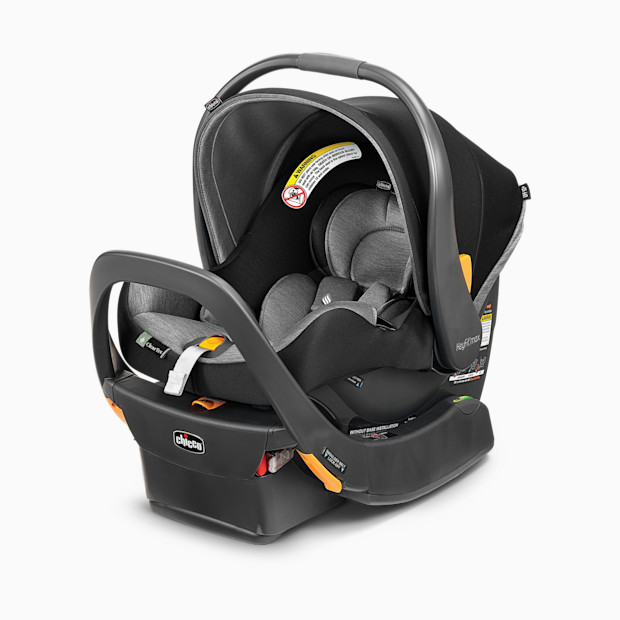
Chicco KeyFit Max ClearTex Infant Car Seat - Legend
From $199.99From ease of install and excellent safety features to its slim profile and extended rear-facing limits, I can’t say enough good things about the Chicco KeyFit Max. And it’s not just one of my top picks; it’s also a parent and car seat safety expert favorite. (The parents we spoke to highlighted how easy it was to install and that it was lighter than many other infant car seats they’ve tried.) It’s a well-priced seat that includes both safety extras like an anti-rebound bar (to prevent extra movement in the event of a crash), flame retardant-free materials and GREENGUARD Gold Certification and convenience features like a no-rethread harness (so you can adjust the straps without having to undo and reroute them).
For more options, see our Best Infant Car Seats guide.
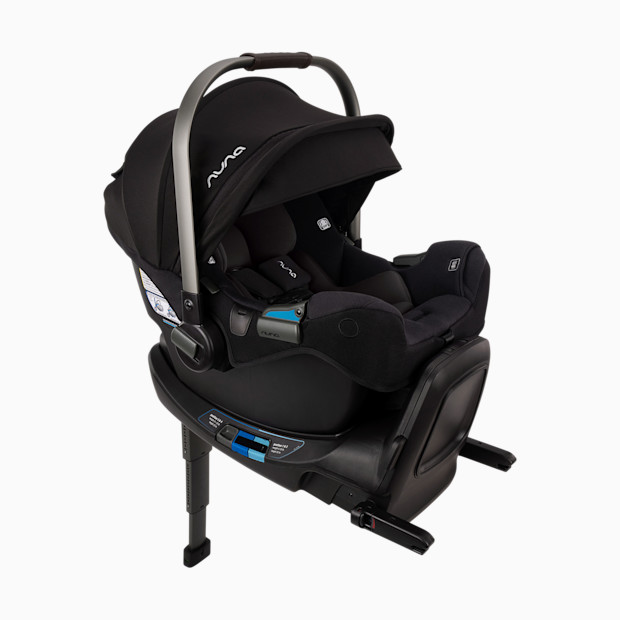
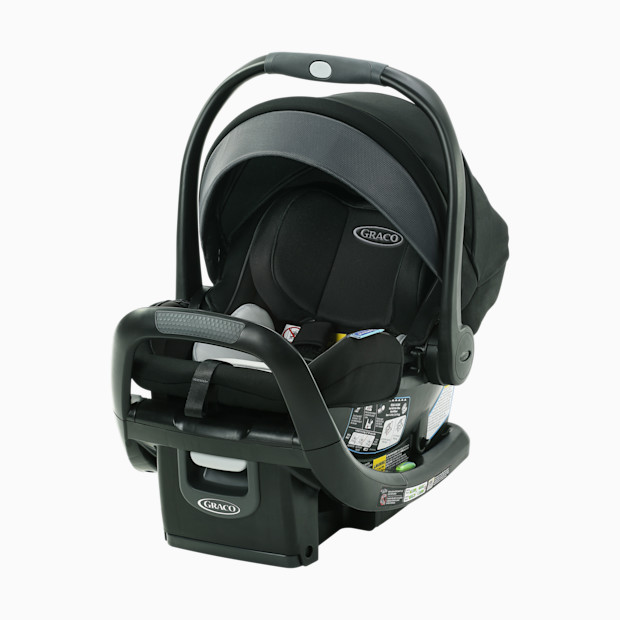
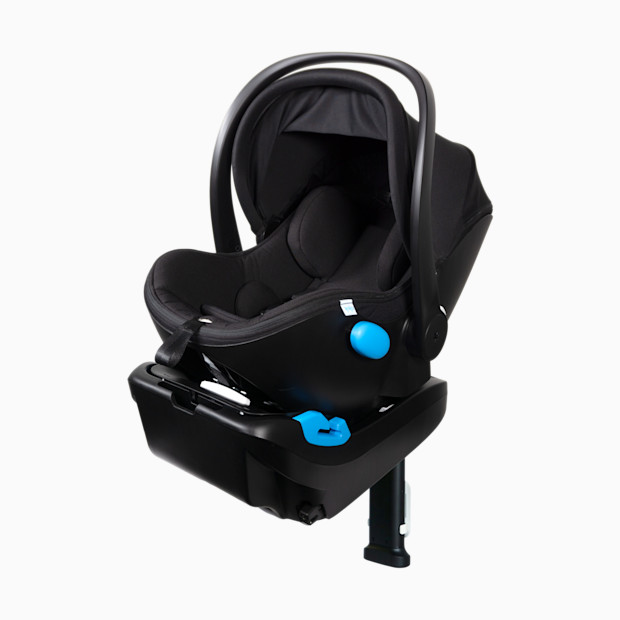
Other Infant Car Seats We Love


🚶♀️Best Car Seat Stroller Combo
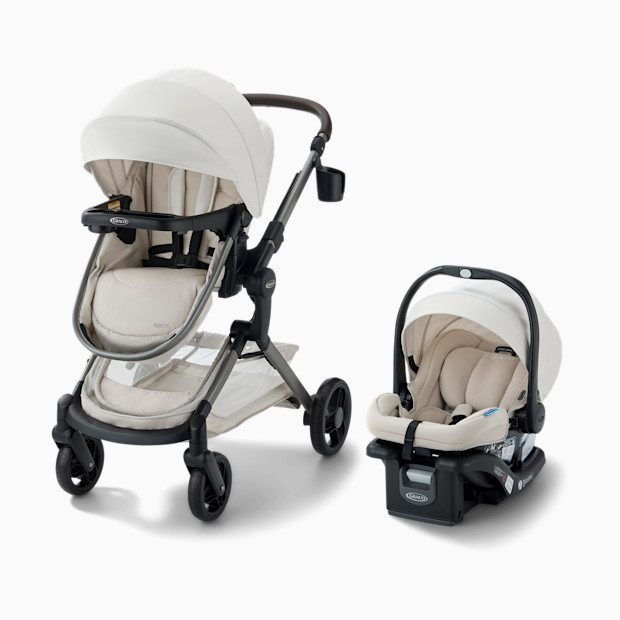
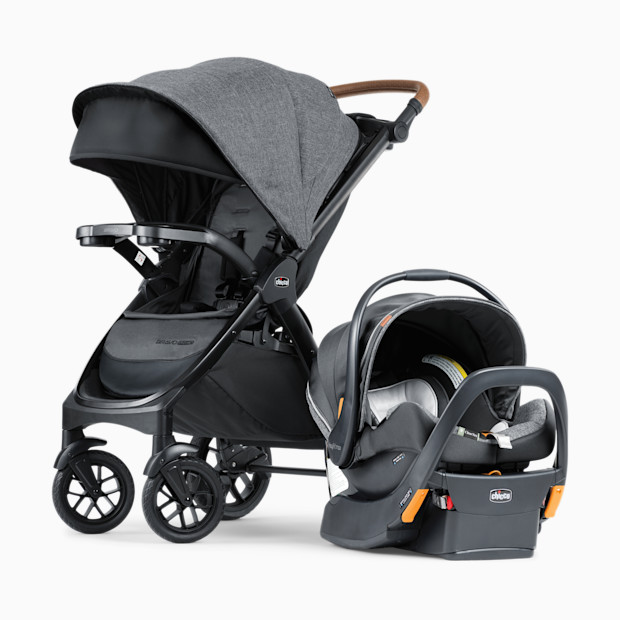
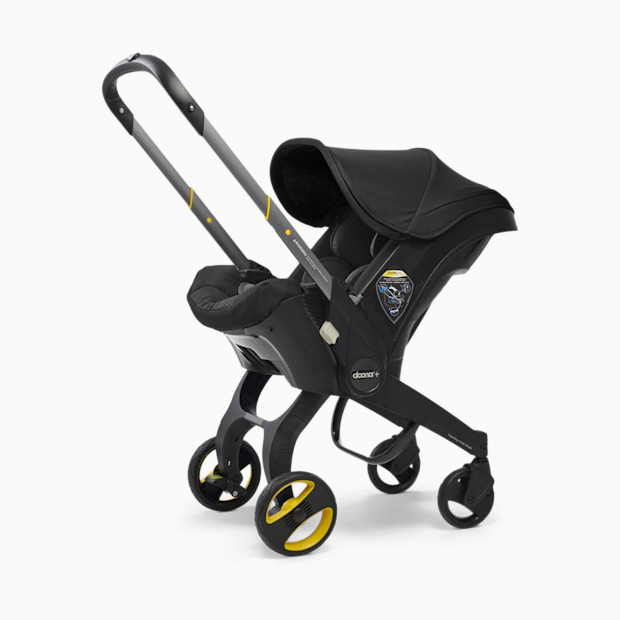
A car seat stroller combo, also called a travel system, is an infant car seat and a stroller that attach.
A travel system is designed for use from birth. It lets you stroll with your newborn before they can sit up on their own—and makes car-seat-to-stroller transfers (and back again) a lot easier.
What else you need to know:
A travel system solves for strolling with your newborn before they’re able to sit up on their own. It also means you don’t have to disturb your little one every time you need to switch between your car seat and your stroller.
Travel systems can be purchased in two ways: as a package deal from the same brand or as a “make your own” set that combines a stroller and a car seat from different brands using adapters.
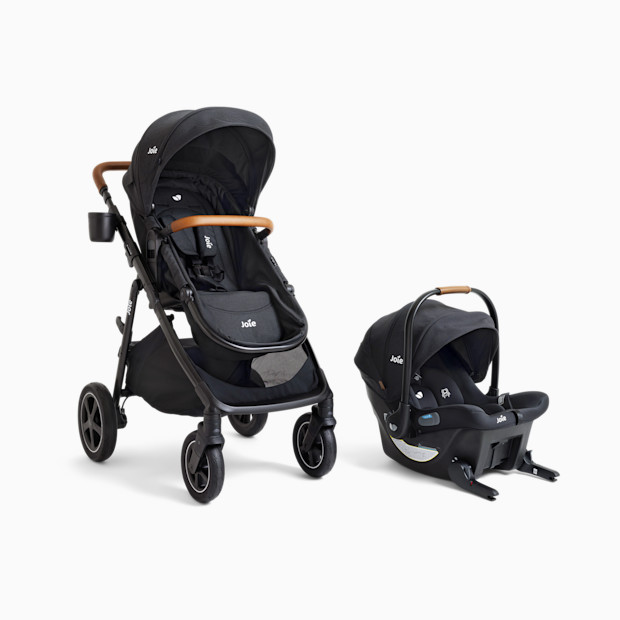
Joie Ginger DLX And Mint Latch Travel System - Shale
From $679.99This thoughtfully designed travel system balances convenience, performance and price. The car seat is baseless, clicking directly into your car's lower anchors using the seat's built-in connectors. (This is a great perk for all families, but especially if you're traveling or use rideshares frequently.) The stroller is newborn-ready on day one thanks to the lie-flat pramette mode and the ride quality is a standout, especially considering the travel system's price.
For more options, see our Best Travel Systems guide.
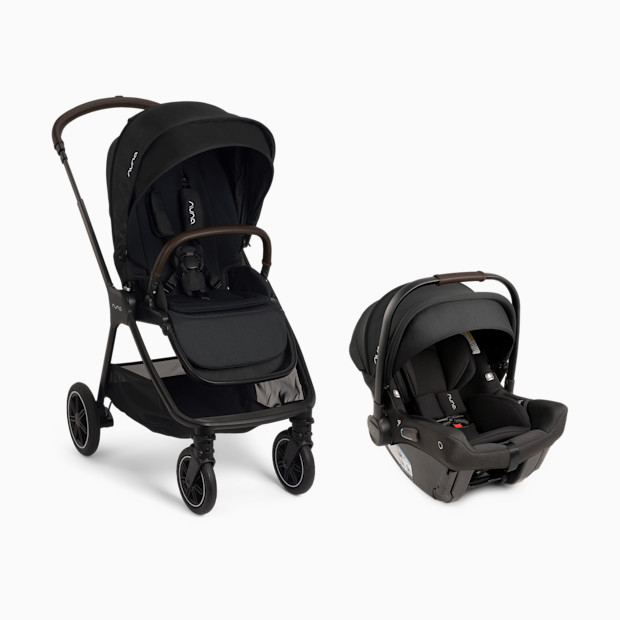
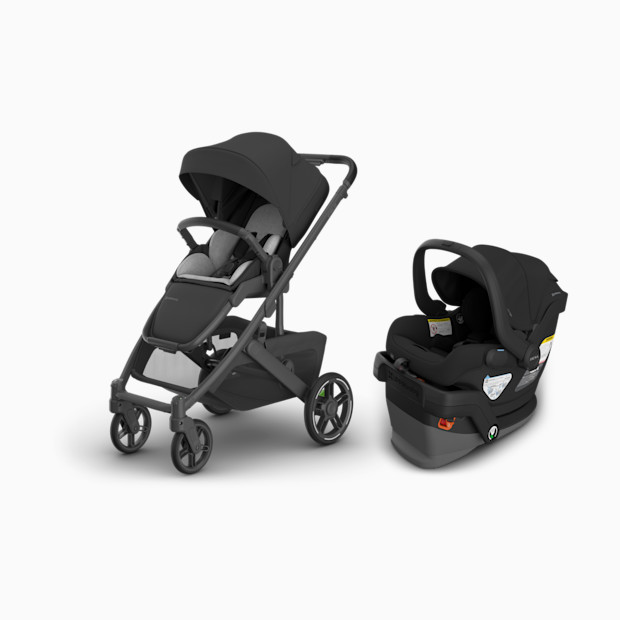
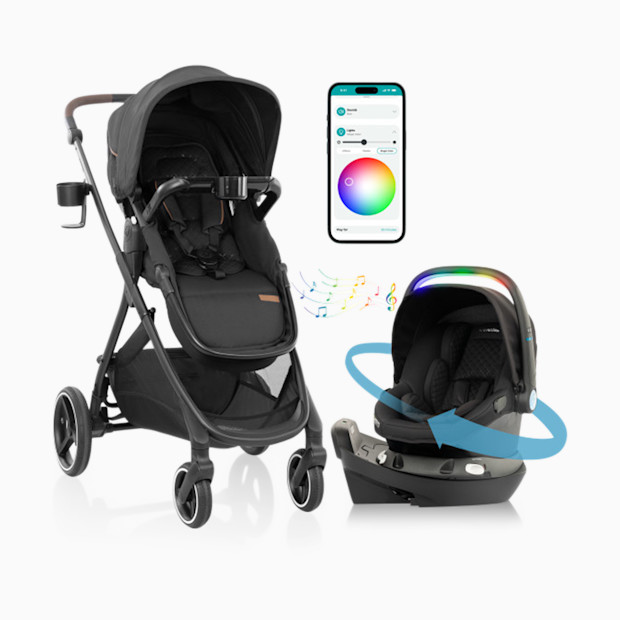
Other Travel Systems We Love
🚘 Best Convertible Car Seat
A convertible car seat is a car seat that can be used with children of various sizes and can change from a rear- to a forward-facing seat. Convertible car seats don’t have bases like infant seats; instead, they use your vehicle’s seat belt or LATCH system for installation.
You can use a convertible car seat from birth until the preschool years and beyond.
What else you need to know:
Convertible car seats are heavy and bulky. They’re designed to be installed in your vehicle and stay there, unlike infant car seats, which are much more portable.
You should keep your child rear-facing in a convertible car seat until they reach the top height or weight limit allowed by the seat's manufacturer. Once you make the switch to forward-facing, follow the same guidelines—use your convertible seat until your child outgrows its forward-facing limits.
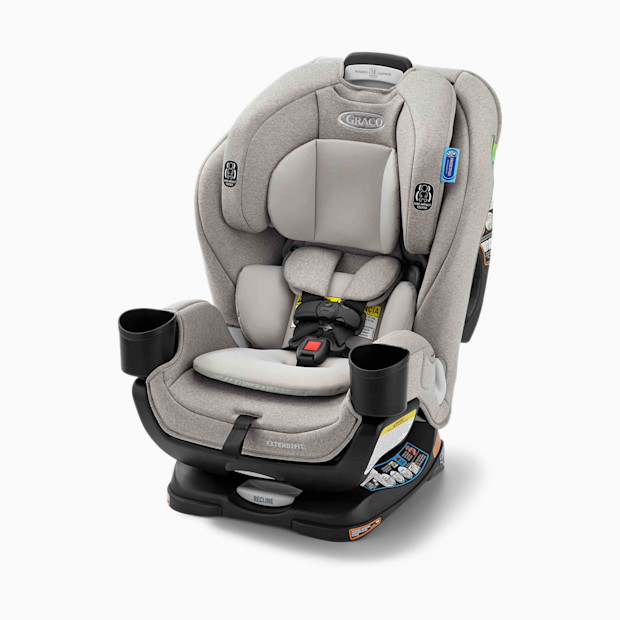
Graco Extend2Fit 3-in-1 Car Seat - Ashten
From $202.99I’m partial to any car seat that allows for extended rear-facing (the safest way for your little one to ride)—and this seat from Graco is designed with this safety feature specifically in mind. (Many parents choose this seat for exactly this reason.) It fits well in almost any type of car, even smaller vehicles, and is affordable and easy to install. It also converts to a high-back booster for older kids.
For more options, see our Best Convertible Car Seats guide.
Other Convertible Car Seats We Love

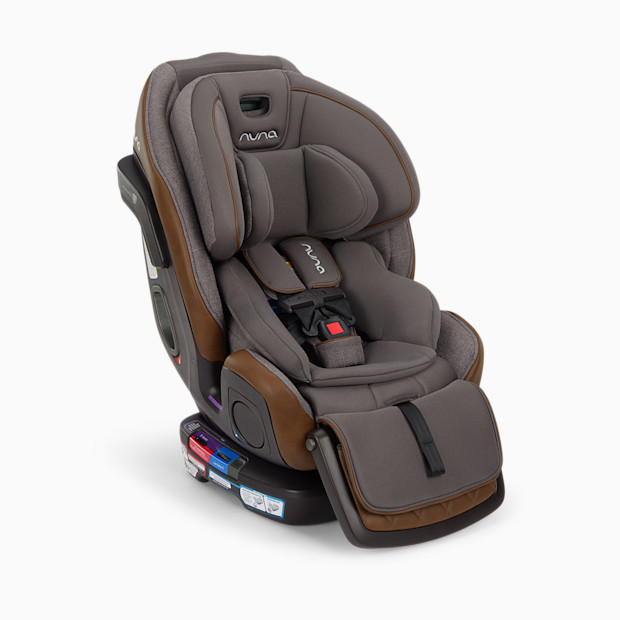
🔁 Best Rotating Car Seat
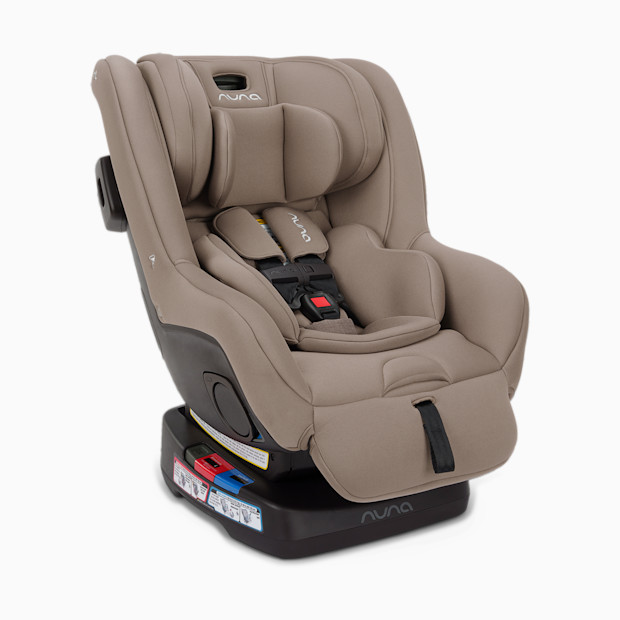
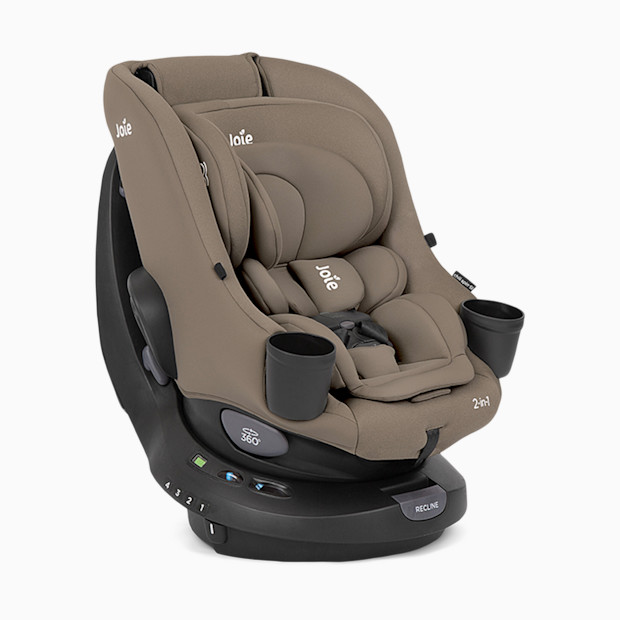
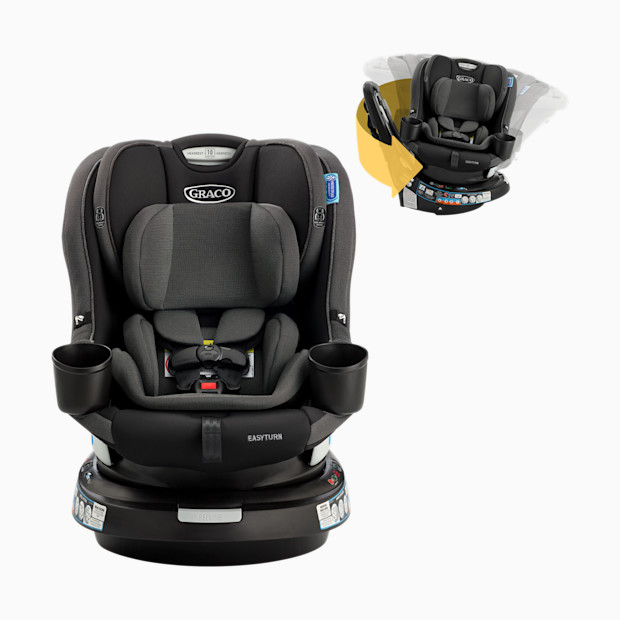
A rotating car seat is a type of convertible car seat that spins on its base either 180 or 360 degrees.
Rotating car seats can be used from birth until your child reaches the maximum height or weight limits allowed by your particular seat. Most rotating seats will last you into the preschool years, and some even longer.
What else you need to know:
Rotating car seats make it easier to get your little one in and out of the car, especially when they’re rear-facing. They're also a good solution for parents and caregivers with certain physical disabilities.
Rotating seats also make it easier to rear-face your child—and when something is easier, you’re more likely to do it.
Rotating car seats are safe, but you need to be sure you’re using them properly. Always be sure the seat is in the locked position (either forward- or rear-facing) when driving, and never let your child ride in the seat in an unlocked position.
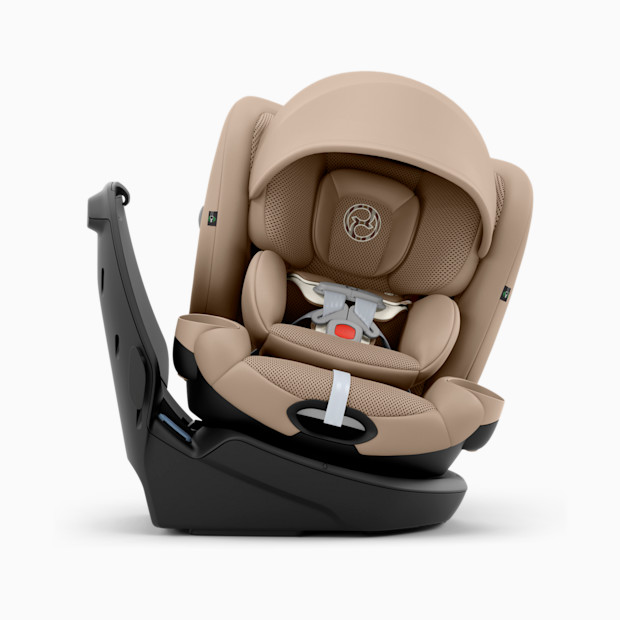
Cybex Callisto G 360 Rotating All-in-One Convertible Car Seat - Almond Beige
From $699.95This rotating car seat is an investment, but it's my go-to. It's a dream to install, and the installation is one-and-done. It rotates effortlessly and offers strong safety features like an anti-rebound bar for crash energy absorption, side-impact protection and a tether strap that works in both rear- and forward-facing modes. (Tethers help limit a car seat’s forward movement in a crash, protecting your child’s head. All forward-facing convertible seats use them, but not all rear-facing seats do.) And the comfort features are just as impressive. The rotation is smooth, the button is large and easy to access, there are multiple recline options and the fabric is ultra plush.
For more options, see our Best Rotating Car Seats guide.
Other Rotating Car Seats We Love
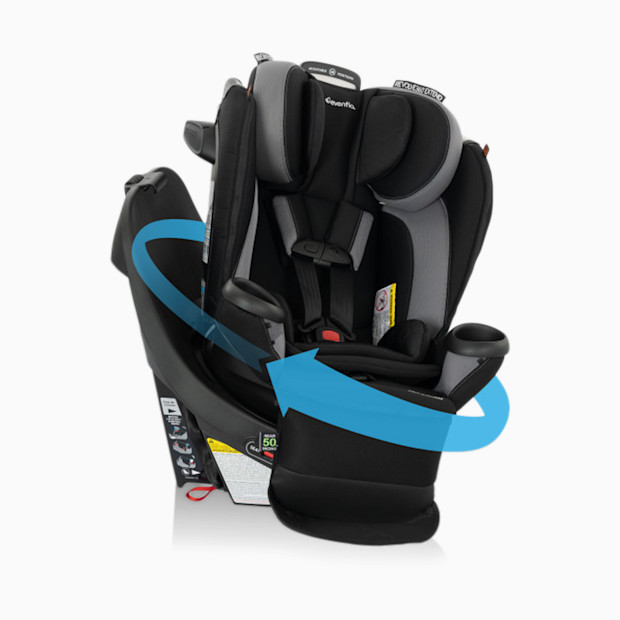
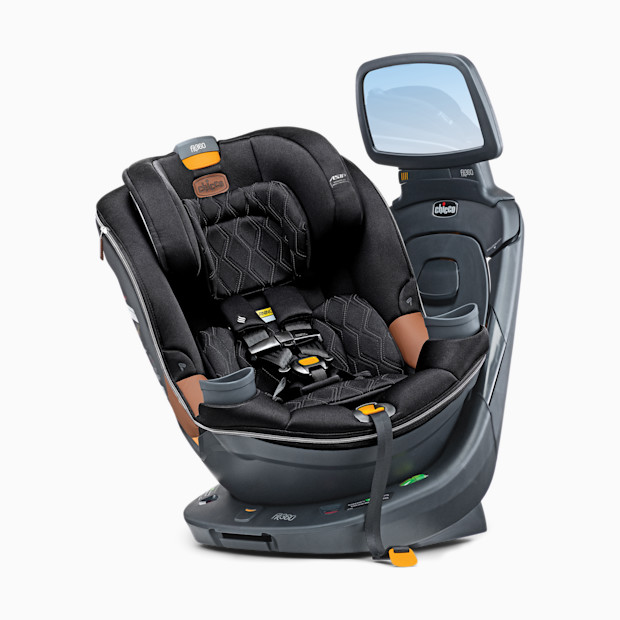
1️⃣ Best All-in-One Car Seat
An all-in-one car seat is designed to work from infancy through the elementary school years. All-in-one seats transform from rear-facing seats to forward-facing ones and then ultimately to booster seats.
You can use an all-in-one car seat from birth until your child reaches the top height or weight limits allowed by your particular seat. Most all-in-one car seats will last into the elementary school years.
What else you need to know:
Some all-in-one car seats convert to both a high-back booster (a seat with a bottom and a back) and a backless booster (a seat with just a bottom), while other models end up only as high-back booster seats.
While all-in-ones are advertised as "forever" seats, odds are your child will outgrow their all-in-one or be more comfortable in a dedicated booster seat before the useful life of the seat is up. The good news: you can get a great booster seat for about $20.
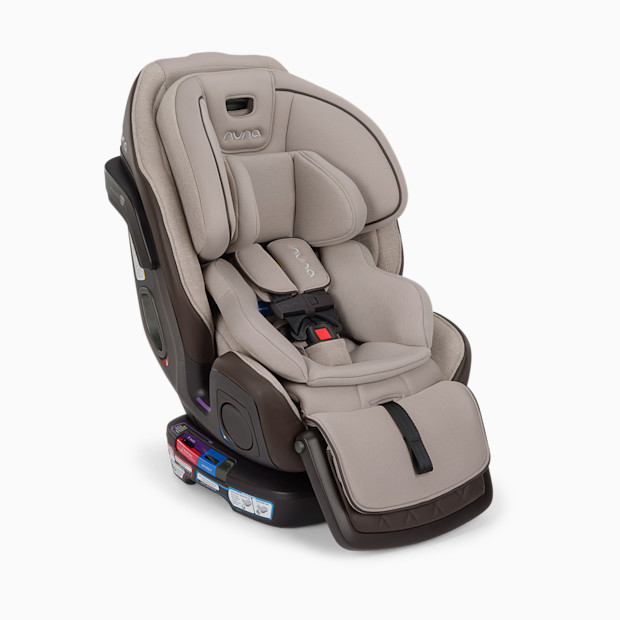
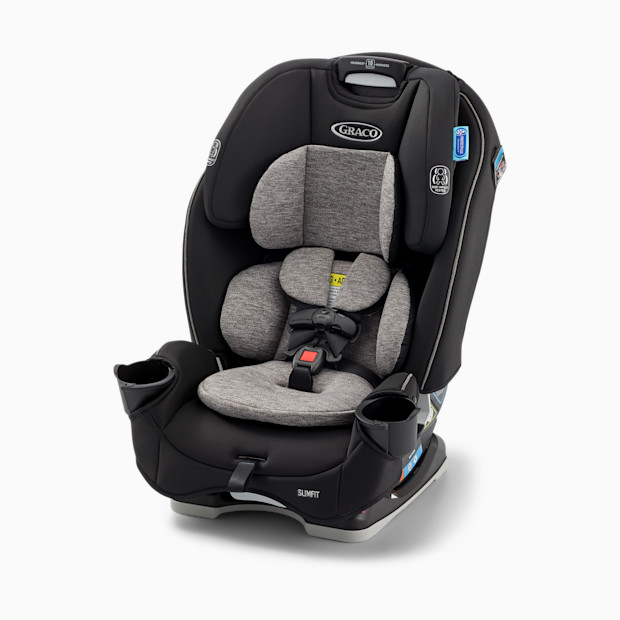
It's an investment, but if you want a seat that stands the best chance of truly lasting your child into elementary school, the Nuna Exec Next is the way to go. It provides an excellent fit across all three of its modes—rear-facing, forward-facing and booster—and supports extended rear-facing, the safest way for children to ride. It's compact front to back, easy to install and made from high-end materials that will truly stand up to years and years of use. It's also free of chemical flame retardants and GREENGUARD Gold Certified.
For more options, see our Best All-in-One Car Seats guide.
✈️ Best Travel Car Seat
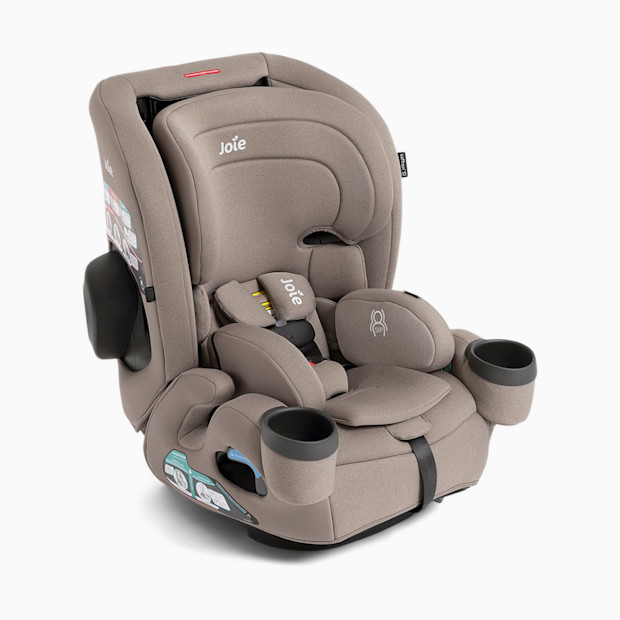
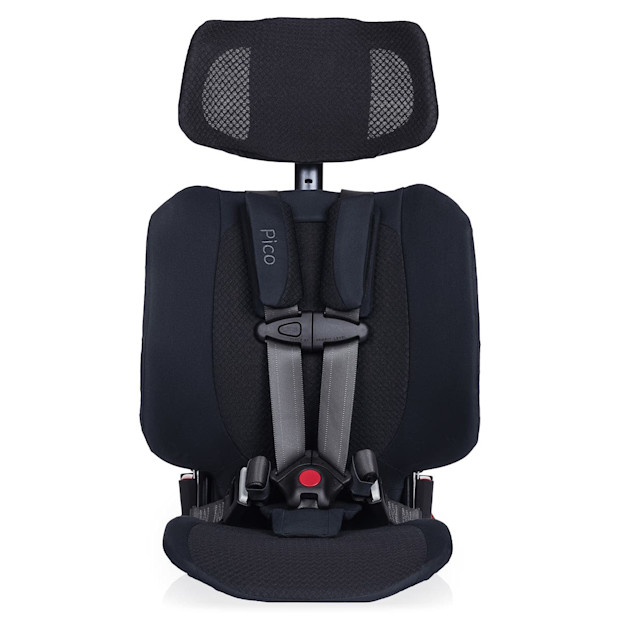
There’s no true travel car seat category; instead, what defines a travel-friendly seat is its features. Things like a lighter weight, compact design and ease of portability are all factors to consider when you’re shopping for this type of seat.
Most parents use their everyday infant car seat if they’re traveling with a younger baby. But once your little one outgrows their infant seat, you may want a travel-specific convertible car seat since many other convertibles are large and heavy.
What else you need to know:
Your lifestyle should determine whether you need a travel car seat. If you travel frequently by air, it's often a worthwhile investment, since traditional convertibles are heavy and cumbersome.
Weight and ease of installation are the two biggest features to look for in a travel car seat. You’ll also want to be sure your seat is FAA-approved if you’re planning to take it on an airplane.
A travel-friendly car seat is also great for rideshares or for grandparents' or caregivers' cars.
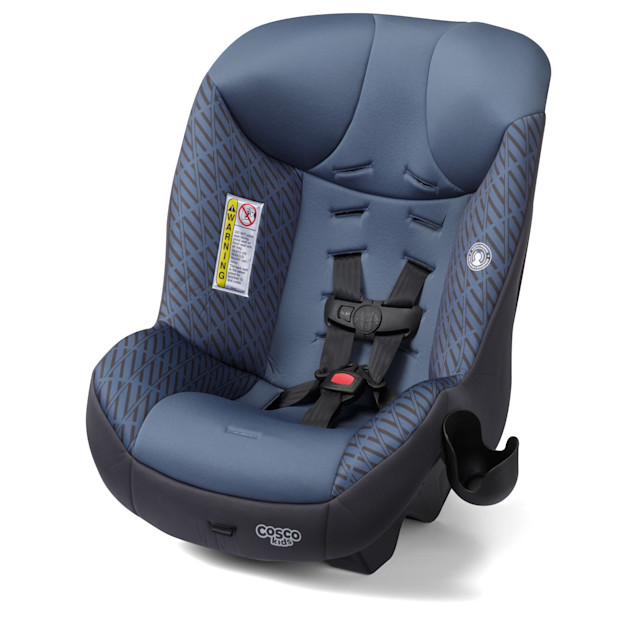
Cosco Cosco Kids Scenera Extend Infant & Toddler Convertible Car Seat
From $59.00One of the lightest convertible car seats on the market, the Cosco Scenera has been my go-to travel car seat for over a decade. Weighing in at under nine pounds, it's easy to sling over your shoulder while you’re walking through the airport or install in an airplane seat or a rideshare. It’s no-frills and takes a little practice to get a secure install, but it’s safe and extremely affordable. Just note that it does have lower weight and height limits, so it won’t last your child as long as most convertible car seats.
For more options, see our Best Travel Car Seats guide.
Other Travel Car Seats We Love
🧒 Best Booster Seat
A booster seat uses a vehicle’s seat belt as a restraint. Think of a booster as the step between a car seat and a seat belt; it elevates a child in a car’s seat, making adult seat belts fit better on little bodies.
Don't make the switch to a booster too soon. First, max out the top limits of your forward-facing convertible car seat. Then be sure your child is mature enough to sit correctly in a booster seat for the entirety of every car ride: no slouching, leaning, etc. Most kids aren’t mature enough to sit properly in a booster until at least five years old; most hit this milestone sometime between five and seven.
What else you need to know:
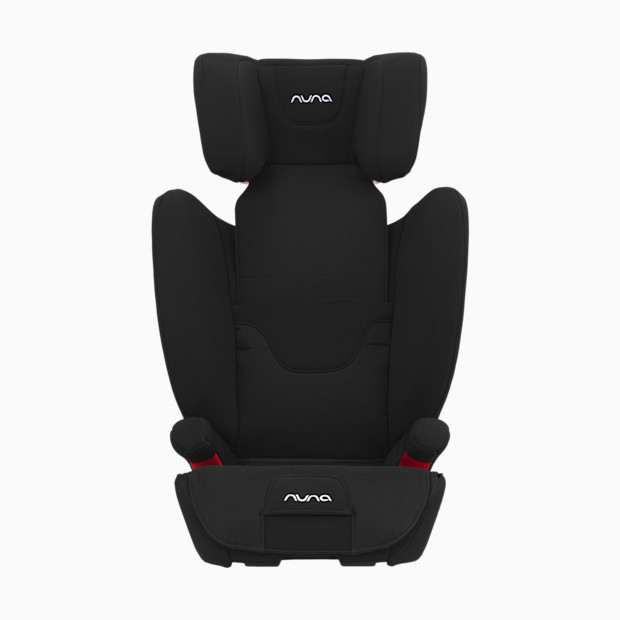
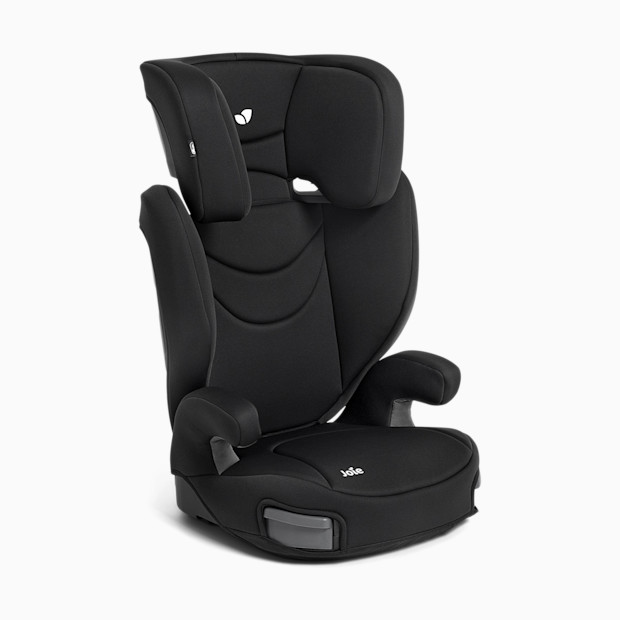
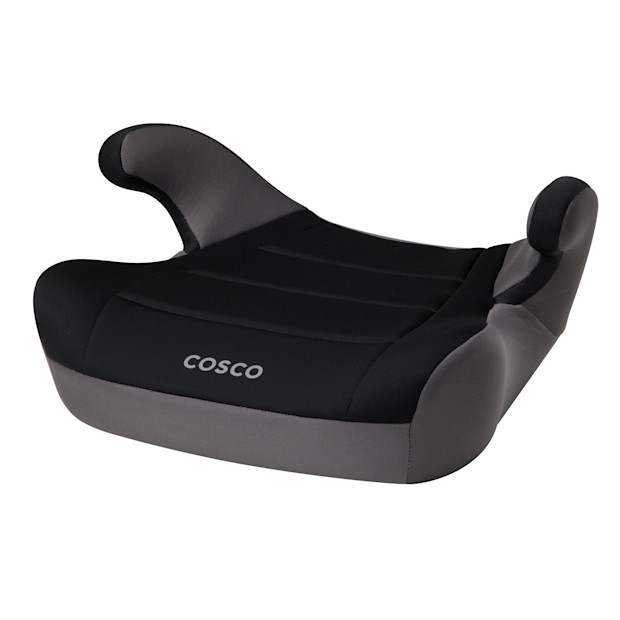
There are two types of booster seats: high-back and backless boosters. High-back boosters have a back, while backless boosters do not. High-back boosters better position a child's body and the vehicle's seat belt, so use one for as long as possible before making the jump to backless.
The AAP recommends that children remain in a booster seat until the adult seat belt fits properly—usually around when a child reaches four feet nine inches and is between eight and 12 years old.
If your child has outgrown their forward-facing car seat but isn't quite ready for a high-back booster, a combination car seat is a good next step. Combination car seats have a forward-facing harness mode and then transition to a booster mode.
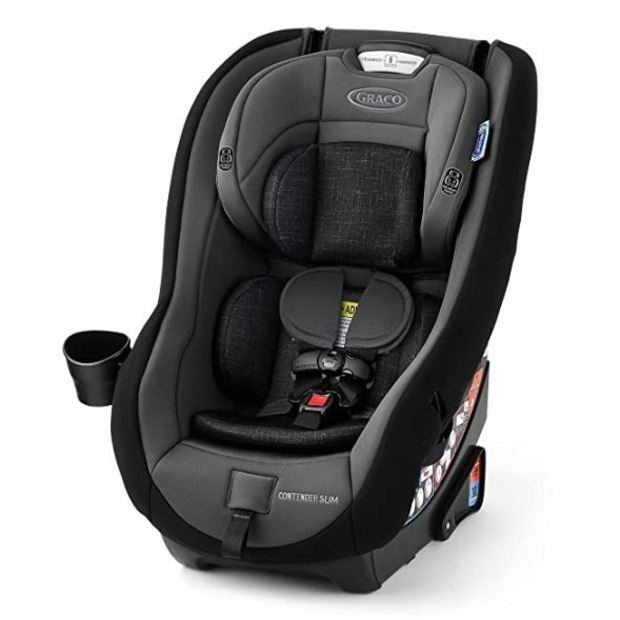
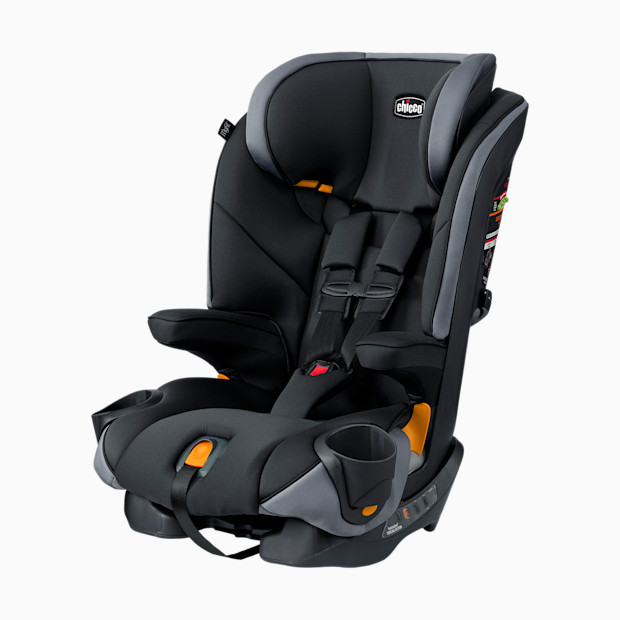
Budget-friendly, light and easy to install, this high-back booster fits a wide variety of children well and transitions to a backless booster for years of use. It also has LATCH straps to secure it to the seat, which keeps the seat from sliding around when it isn't in use. It’s the booster I come back to again and again even after trying more elaborate, more expensive models. The seat also has cupholders and height-adjustable armrests.
For more options, see our Best Booster Seats guide.
Other Booster Seats and Combination Car Seats We Love
Why Trust Babylist?
Babylist is the expert in baby; we know baby gear inside and out. We talk with parents face-to-face in our showroom and on our user panels and hear from thousands annually via our Best Baby Products online survey. We know what items millions of expecting parents are adding to their baby registries.
Firsthand professional and personal experience. As a CPST, I’m specially trained in car seat installation, usage, safety and education. I'm also Babylist's gear editor; I've been writing about car seats since 2019 and have personally tested and reviewed dozens of seats. And I’m a mom of two boys, a middle schooler and a preschooler—so I have over a decade of experience with all types of child restraint systems.
Car seat data. I regularly analyze which baby products our users are adding to their baby registries the most (and which ones they aren’t) and what our team of Merchandising experts—our buyers who are responsible for ensuring the Babylist Shop is stocked with the best and newest gear—is excited about.
Feedback and reviews. I review comments and feedback from Babylist’s annual product survey of thousands of parents, read customer reviews from hundreds of Babylist users and speak to parents on our staff about their real-life experiences with infant car seats, convertible car seats and boosters.
How to Choose a Car Seat
A car seat is a registry must-have if you’re looking to take anything from a road trip to a ride to the grocery store. But choosing one is a big decision. Here’s what you need to know.
1. Choose the right type of car seat
There are five main types of car seats:
Infant car seats are rear-facing only and designed for babies and young infants.
Convertible car seats can be used from birth and transition from rear-facing to forward-facing. Some models rotate.
Combination car seats are for older children and convert from a forward-facing harnessed seat to a booster.
All-in-one car seats work in rear-facing, forward-facing and booster modes, often from infancy through elementary school. Some rotate.
Booster seats are for older children who use the vehicle’s lap-and-shoulder belt.
Your child’s age, height, weight and developmental readiness all matter—but so does fit. Not every car seat fits every vehicle, and the best seat is one that fits your car and that you can use correctly every time.
For maximum safety, keep your child in each stage as long as possible, until they reach the manufacturer’s rear-facing, forward-facing or booster height or weight limits.
Good to know: Whenever possible, try a car seat in your vehicle before buying. For vehicle- or seat-specific questions, reach out to a Child Passenger Safety Technician (CPST) or join a CPST-staffed group like Car Seats for the Littles.
2. Learn key safety terms
You'll encounter a lot of unfamiliar car seat terminology as you research seats. Here are some of the most important terms to understand:
Five-point harness: A harness with two shoulder straps, two hip straps and one crotch strap that buckle at the center. It helps distribute crash forces across the strongest parts of a child’s body.
LATCH: Short for Lower Anchors and Tethers for CHildren. This system uses anchors in your vehicle and connectors on the car seat to simplify installation. LATCH can only be used in approved seating positions and up to certain weight limits—always check both your car seat and your vehicle manuals.
Extended rear-facing: Seats with higher rear-facing height and/or weight limits. Rear-facing offers the best protection for a child’s head, neck and spine and should be used until a child reaches the maximum rear-facing limits of their seat.
Anti-rebound bar/panel and load leg: Energy-absorbing safety features found on some seats that also help to reduce a seat's movement in the event of a crash. In general, less seat movement in a crash is a good thing.
3. Consider ease-of-use features
There’s no single feature that makes a car seat “easy,” but these can make day-to-day use simpler:
Ease of installation: Infant seats may be installed with or without a base and with either a seat belt or LATCH. Consider how often you’ll move the seat, whether you use rideshares or travel frequently and what works best for your lifestyle.
Ease of adjustment: A properly fitted harness is critical for safety. Look for harness adjustments that are easy to access and use. Many parents prefer no-rethread harnesses, which adjust as your child grows without manual rethreading.
Ease of cleaning: Messes happen. If this matters to you, look for a removable, machine-washable cover, and always follow the manufacturer’s cleaning instructions to avoid compromising safety. (How to Clean a Car Seat outlines why it's so important to clean your seat according to the manufacturer's directions—and how to do it.)
4. Read your manuals
Your car seat manual and your vehicle owner’s manual are your most reliable safety resources. They explain where and how a car seat can be installed and help prevent common mistakes. Look for the “child restraints” or “child restraint systems” section in your vehicle manual—and keep both manuals handy for reference.
Frequently Asked Questions
Is it safe to buy a used car seat?
If possible, avoid used car seats. Used car seats may be damaged and may not meet current safety regulations. If you do decide to buy used, buy from someone you trust so you know the seat’s history. Look up the seat’s expiration date and research if that particular car seat model has ever been recalled. And be sure to follow the manufacturer’s rules around how to clean it safely.
Should I get an infant car seat or a convertible?
While many convertible car seats will work for your little one from birth, most parents decide to start with an infant car seat first. (Eighty percent of Babylist parents register for an infant seat.)
Babies under six months can’t sit up on their own, and not all strollers have the ability to fully recline the seat. If you want to stroll with a newborn, many strollers require an infant car seat.
Many convertible car seats don't provide a good fit for newborns or smaller babies.
The ability to pop your infant seat out of your car and either carry it or clip it directly into your stroller means you don't have to disturb your baby every time you use your car.
Although infant car seats do click into bases, you can also install them using just a seat belt, making them easier to use in rideshares or rental cars.
You can store your infant seat indoors during really hot or cold weather so it’s always at a comfortable temperature and never exposed to the elements in your car.
Some parents choose to skip an infant car seat and use a convertible from day one. It’s usually because they’re planning on babywearing often, want to save money by skipping the infant seat or are looking to limit the number of baby products they purchase.
How do I know if my car seat is installed tightly enough?
When installed correctly, a car seat should not move more than one inch side-to-side or front-to-back. You can test this by using moderate force at the seat’s belt path to move the car seat from left to right and front to back.
One of the most common mistakes parents make when checking the tightness of their car seat is testing it in places other than the belt path, like the top of the seat or near the footrest area. If you pull back and forth on a car seat at the top, for example, it will likely move much more than an inch, giving you the (incorrect) impression that the seat isn’t tight enough. Don’t do this! Test for movement at the belt path only.

;)
;)
;)
;)
","url":"https://www.babylist.com/gp/clek-liing-infant-car-seat/14716/2028173","source":"hello_baby"});)
;)
;)
;)
;)
;)
;)
;)
;)
;)
;)
;)
;)
;)
;)
;)
;)
;)
;)
;)
;)
;)
;)