
11 Ways to Save Money on Nursery Design
With creativity, organization and prioritization, you can still get the nursery of your dreams.

By
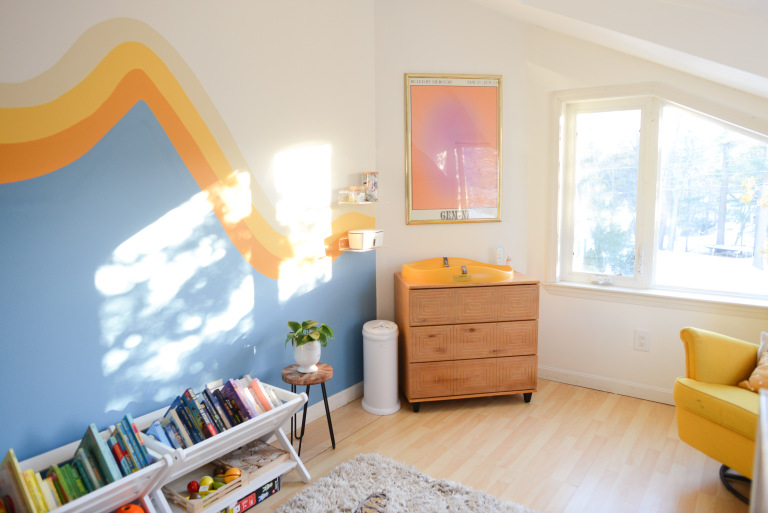
When I was expecting my baby, selecting the best gear for my family’s needs felt pretty straightforward to me, but designing a nursery for our baby on a budget was another story. It’s safe to say I’m not the only one who finds setting up a nursery to be a huge stressor, thanks to the cost and decision fatigue involved.
Naomi Coe, founder of Little Crown Interiors, has worked with clients with all types of budgets, some whom have transformed a space into a jaw-dropping nursery for less than $1,000. She says that one of the first questions she gets from potential clients is how much a nursery costs: “Many people don’t know what to expect at all,” says Coe, who is also the author of Your Perfect Nursery, a guide to step-by-step nursery design.
Alicia Thomasson, designer and owner at Alicia Thomasson Interiors and mom of three, believes you should skip the “gut job” in favor of creative planning and well-chosen, versatile items to help you save big. Jennifer Press, founder of Press Interiors and mother of two, agrees. She’s worked on nursery projects with budgets from a couple thousand dollars to a whopping $40,000—with results that were equally stunning. ”There are lots of creative ways to save money,” adds Press.
These designers and others were willing to share their secrets for saving money when designing a nursery, so keep reading to learn how to create a gorgeous nursery, no matter the budget.
1. Make a Nursery Checklist
To streamline the design and shopping process, Coe recommends creating a nursery checklist (you can find them online or in Coe’s book) when you’re in the planning stages of nursery shopping to make sure you know what you need to buy. For instance, make a list of what furniture fits in your space and what decor elements you want to prioritize, whether it be a statement crib or cute curtains.
“One of the reasons nurseries can get so expensive is that people don’t plan ahead and end up adding in more things they think they need without a clear budget in mind,” says Coe. You can then create a budget for yourself based on that list, she says. (More on that below.)
You’d be surprised at how much you actually don’t need, she explains. “I like to recommend that parents start small and fill in with items later on, after they’ve established routines and observed their own and baby’s habits,” says Coe.
2. Make a Nursery Budget
Setting up a financial plan before designing your nursery will save you time and headaches. Taylor Lewis-Costa, founder and lead designer of TLC Home in Charlotte, North Carolina—whose firm specializes in designing on a budget—is quick to admit that she’s often astonished by the price of rugs, dressers, cribs and art used in nurseries. “In all reality, it is a magical space, but it’s temporary, and the costs should be considered,” she says.
That’s why she and other designers say one of the first steps of planning your nursery should be setting a budget. Coe recommends starting by researching what various cribs, dressers and gliders you like cost, since furniture will form the largest chunk of your budget. Be sure to factor in taxes and shipping costs into the math, she adds. From there, Coe advises repeating the same exercise with other larger ticket items you may want, like wallpaper, rugs and window treatments, to determine an estimated total amount of what you can expect to spend.
Lewis-Costa’s rule of thumb is to make larger items like furniture, rug, a rocker and wallcoverings 75% of your budget, and reserve the remaining 25% of your funds “for the fun, finishing touches,” such as baskets, wall decals, pillows, mobiles and throws.
While many people tend to foot the bill for their nursery items, Coe reminds you that it’s fine to put things for the baby’s nursery, like the mattress, sheets and diaper pail on your baby registry, and let your friends and family help provide those: “Adding furniture and decor to your registry can help with costs as well.”
3. Pick Paint Over Wallpaper
Lewis-Costa calls painting a far more practical choice than wallpapering baby’s nursery. Plus, “things will get on your walls you never thought possible,” she says. “Paint is truly a fraction of the price and can have an immense impact.” The designer ballparks professional painting at around $500, but says you can go the DIY route and only incur the cost of materials at roughly $100.
On the other hand, with wallpaper, you’ll not only have to pay the price of that dreamy floral or jungle-themed covering, but upwards of $500 on installation, depending on the square footage of your nursery (not to mention that wallpaper may not be a feasible option if you rent).
Another pro-tip? If blemishes exist on your walls and your budget doesn't permit skim-coating first (a layer of paint that creates a smooth surface on walls and ceilings and mends small indents and imperfections), simply hang artwork over the blemish, says Press.
To add impact to painted walls, Lewis-Costa says you can hang affordable wall art in lieu of wallpaper. “HomeGoods has amazing pieces that can serve as the anchor,” she says. “Check out your local second-hand store as well,” she adds.
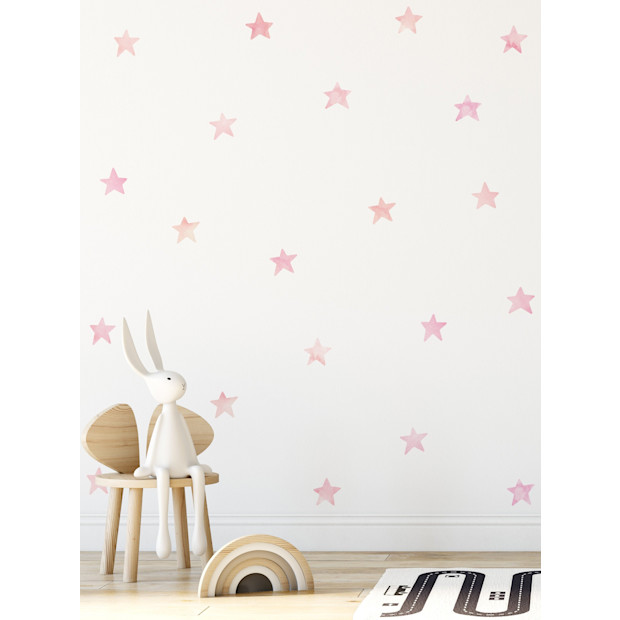
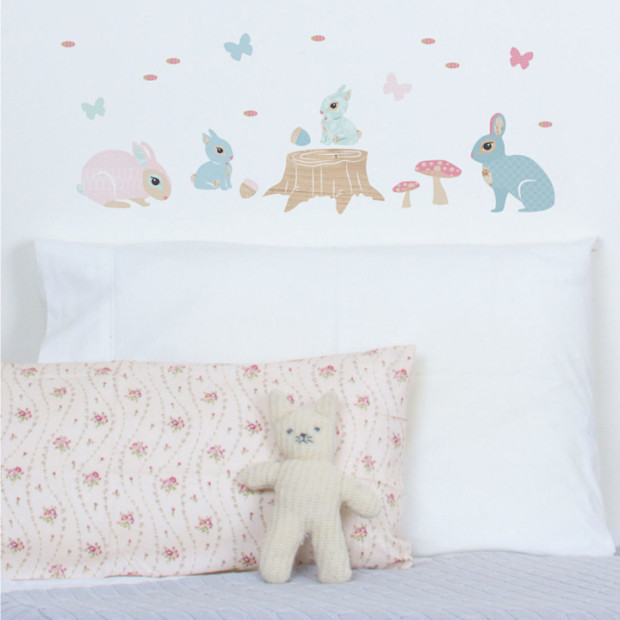
Press loves wall decals, which are available on Etsy in many colors, are reusable, “and don't take the paint with them when you remove them from your walls.”
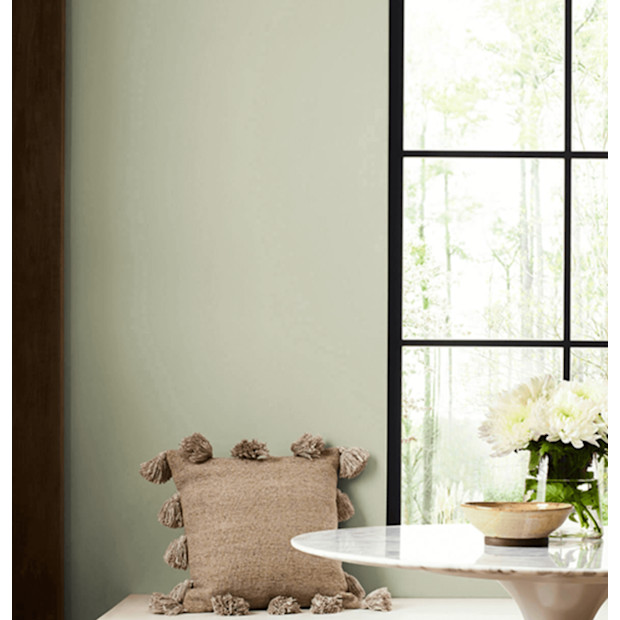
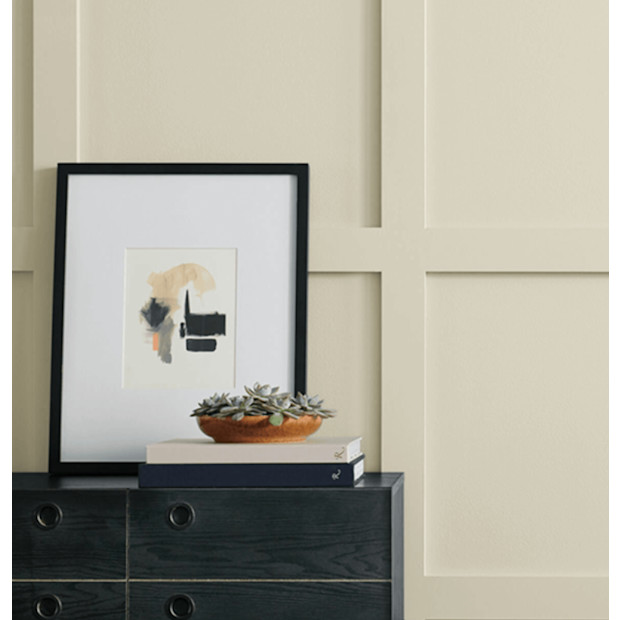
This year’s trending nursery paint colors include greens and neutrals like beige and mushroom grey; here are a few options for paint and decals for baby’s room.


4. Create a Wallpaper Accent Wall
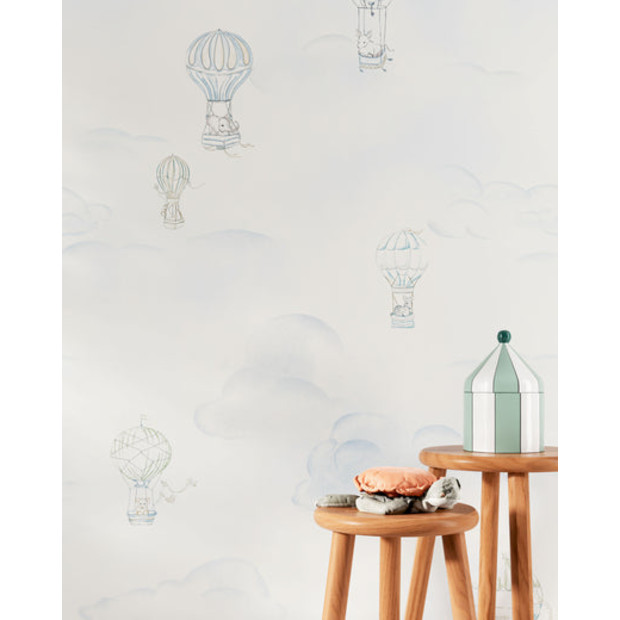
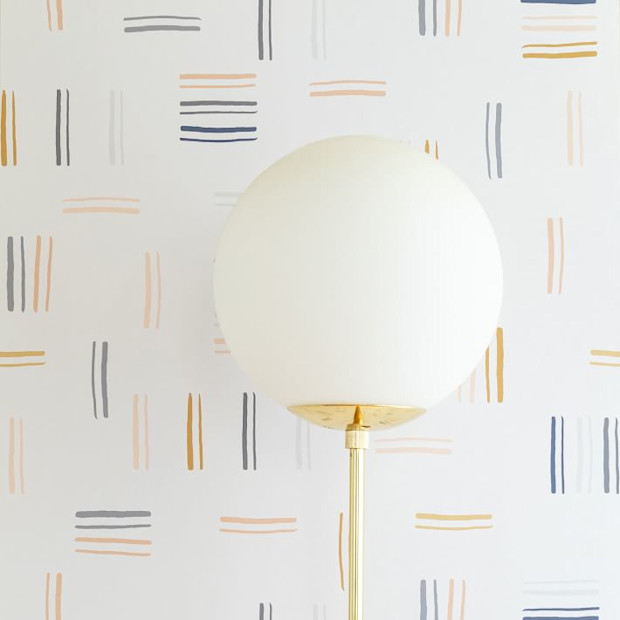
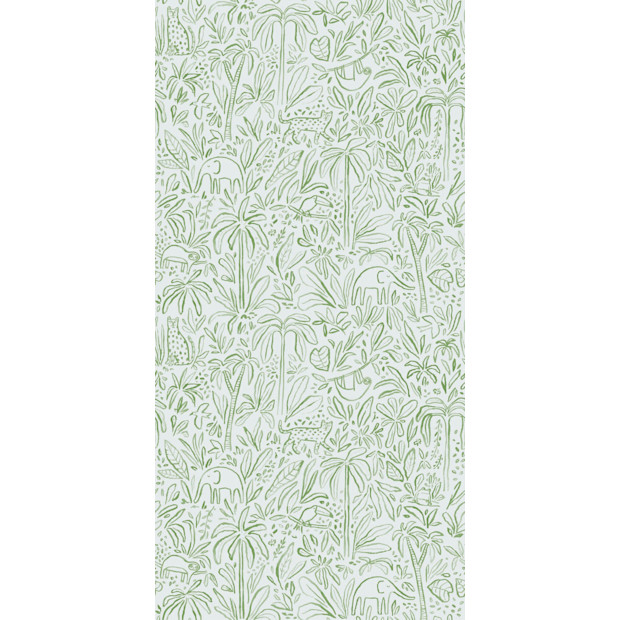
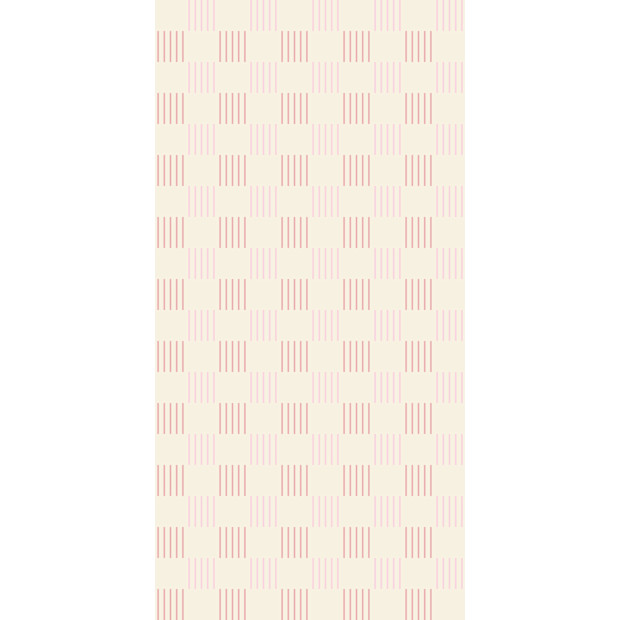
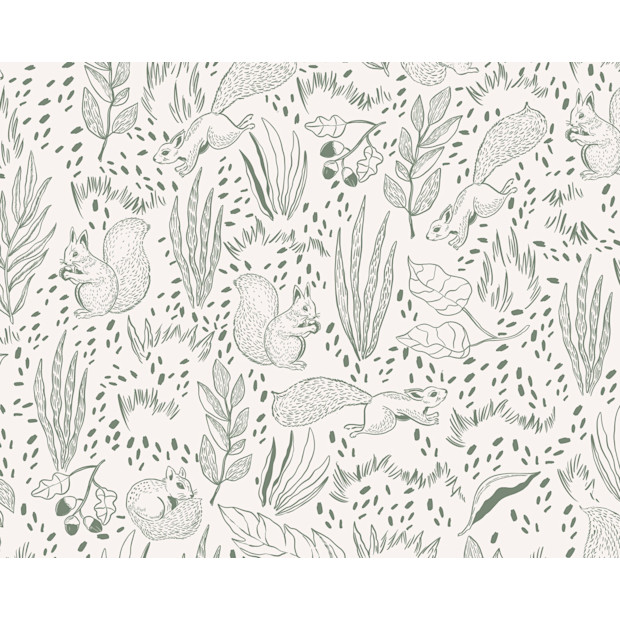
Another option if you love the look of wallpaper (but not the price) is to make a wallpaper accent wall, says Thomasson. Peel-and-stick is an easy DIY option that makes installation a breeze. Choose one wall (most likely the wall where the crib will be closest) to highlight with a full sheet of wallpaper, decals, or get creative with a half wall. You can also opt for a painted accent wall if that’s more your cup of tea.
5. Decide on a Splurge Item
Coe suggests deciding what item you’re willing to splurge on, and where you’d prefer to save. Then, assign a rough dollar amount to each item in the nursery so you know not only your total budget, but your budget for each individual item. “For example, if you absolutely love the look of wallpaper, plan to spend a little more on that,” she says.
These splurges can add pizzazz to a nursery and make you genuinely happy. “Then, you can look for more affordable options for things like the rug or curtains,” adds Coe. Or if you’d rather splurge on the furniture, Coe says you can use paint or inexpensive wall decals to achieve a wall treatment look.

babyletto
Foy Glider
6. Don’t Buy a New Dresser
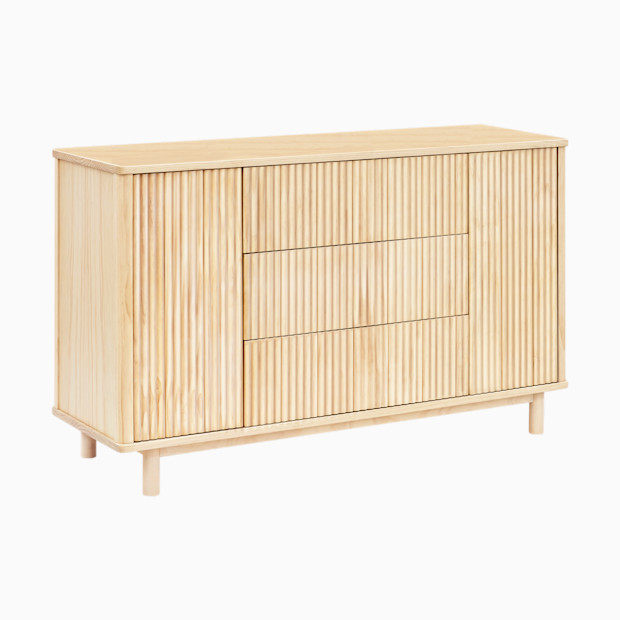
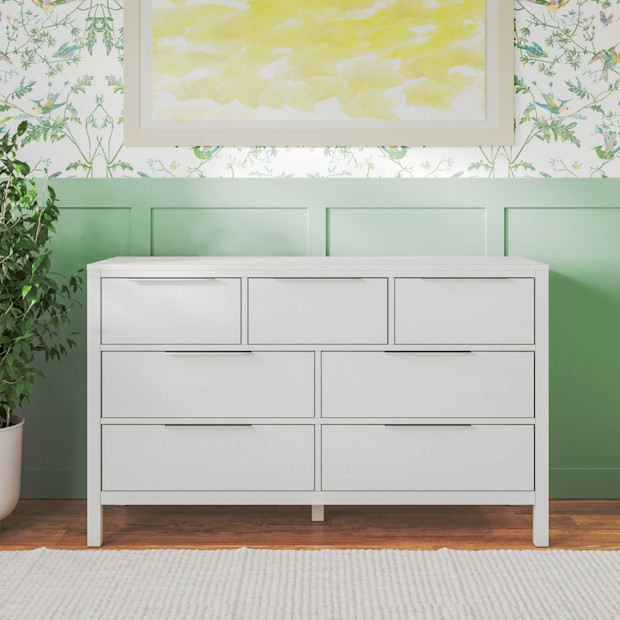
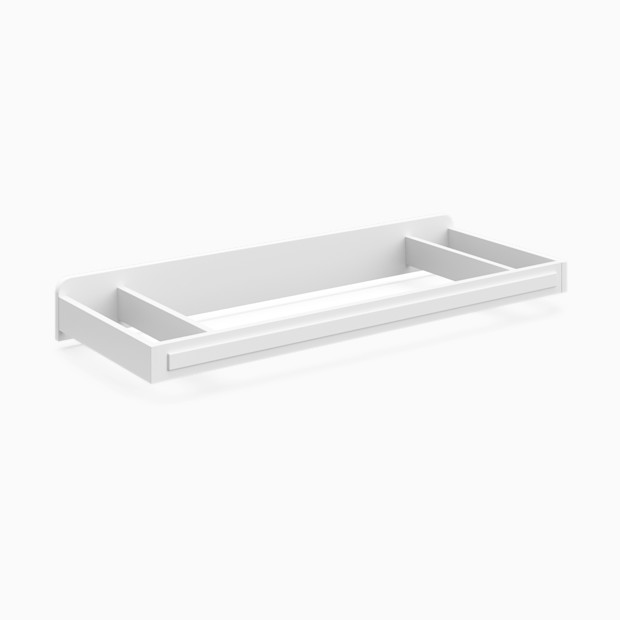
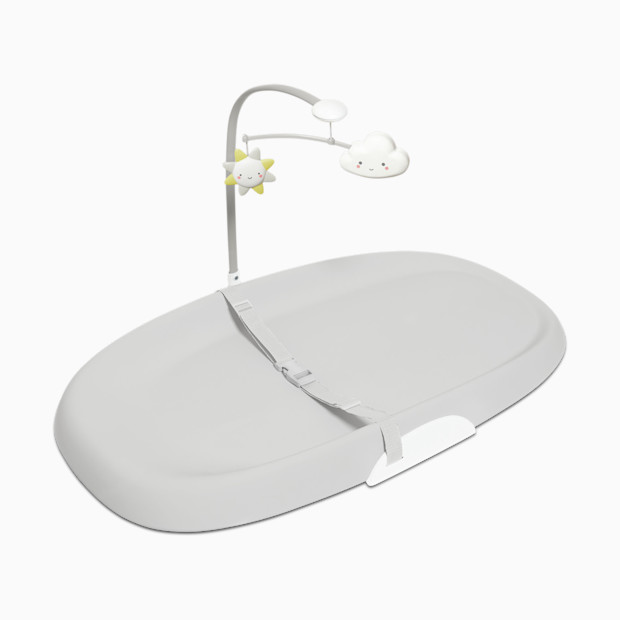
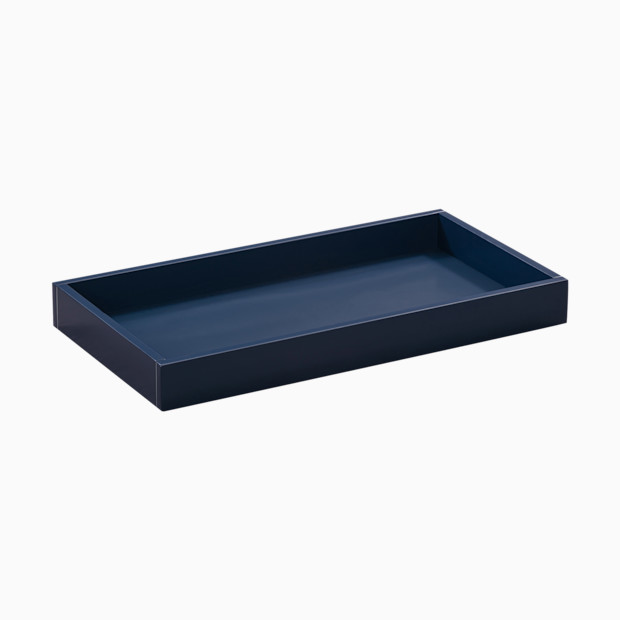
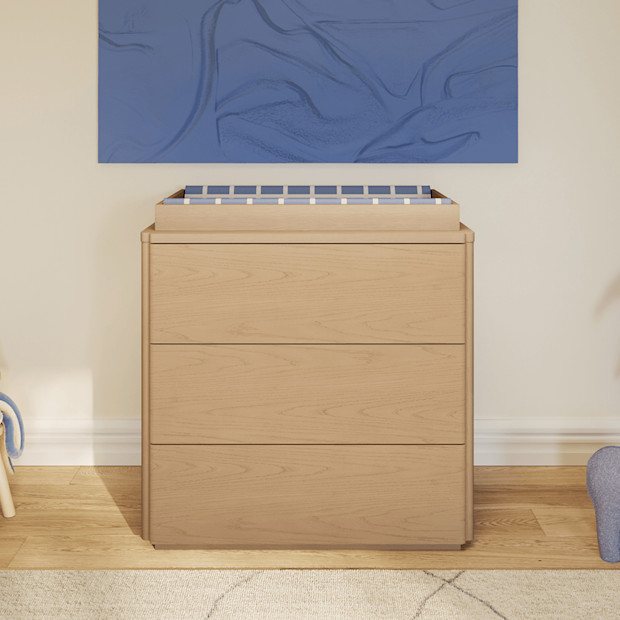
Press often sees parents getting rid of a dresser they already have in favor of bringing in a new changing table and dresser combination. There’s no need, says Press, who is a proponent of only buying a changing table topper to put on an existing dresser. “Save the money on the large storage piece for something else,” she says.
Courtney Batten, lead interior designer of Paige Studio in Dallas, also recommends this cost-effective and stylish solution.


7. Swap out Hardware
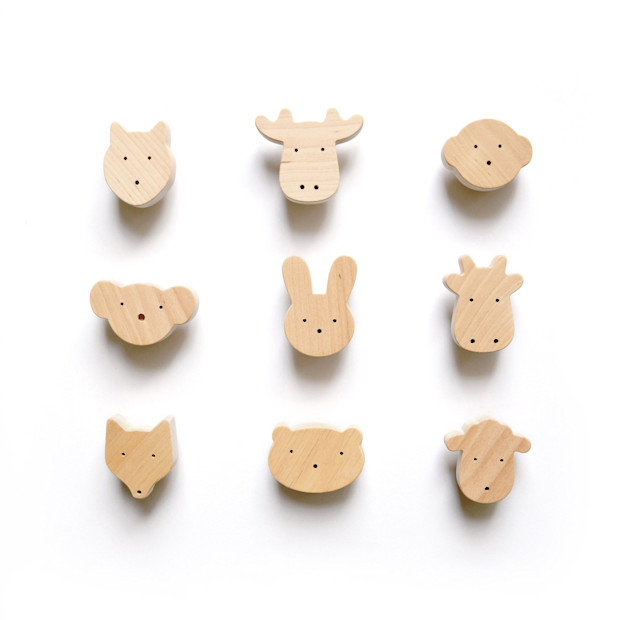
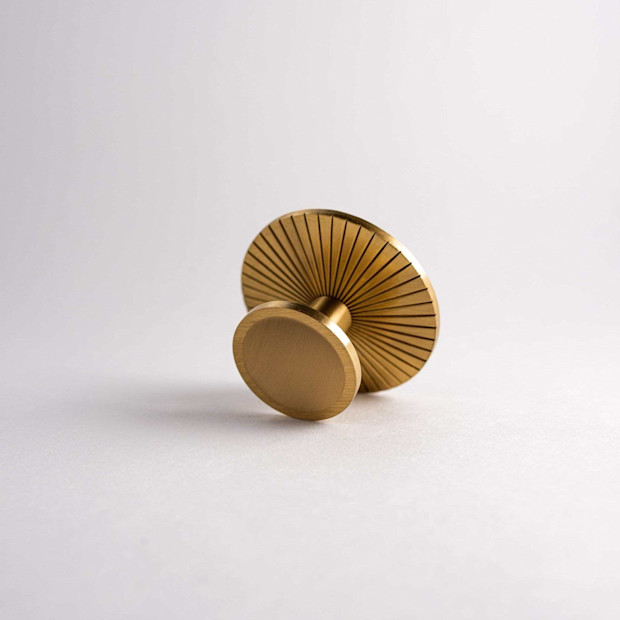
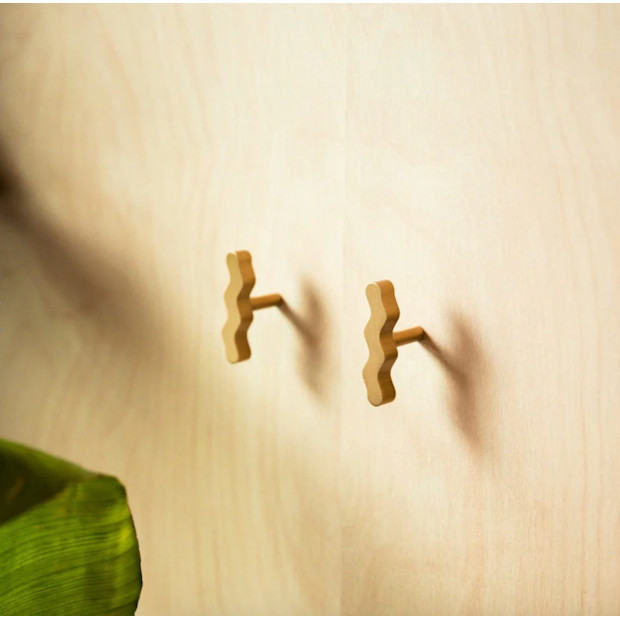
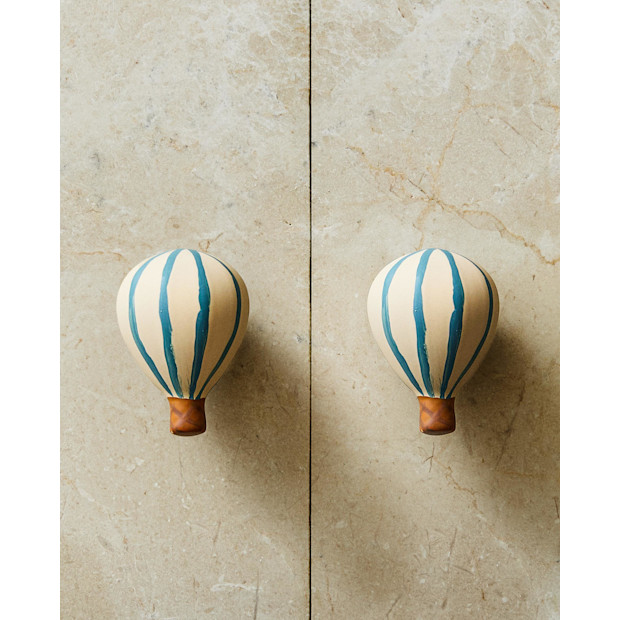
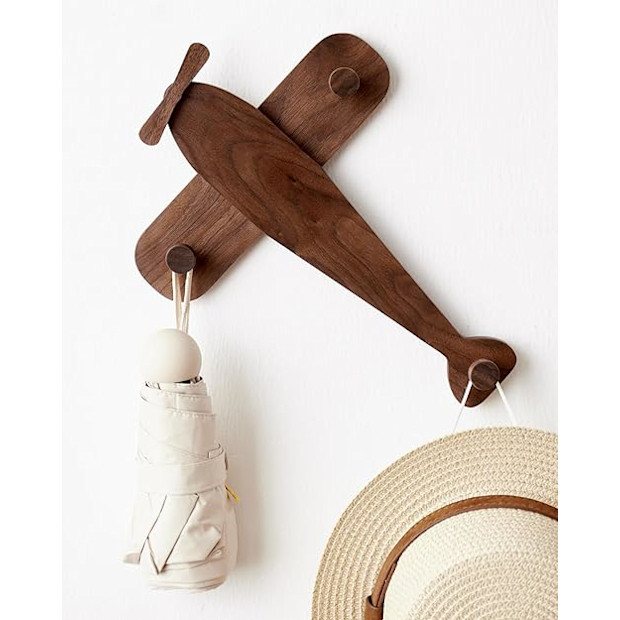
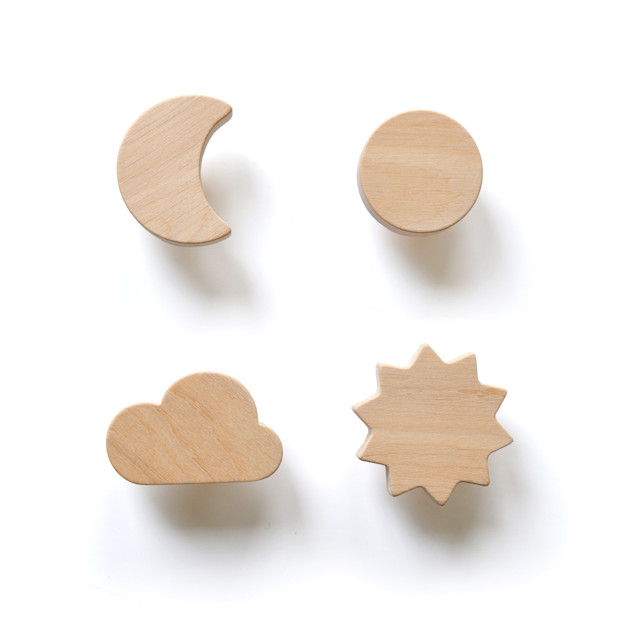
This simple tip (which can be combined with the advice in the tip above) can breathe new life into furniture you already own, or you can buy a more affordable piece of furniture and make it look like you shelled out big bucks with a quick upgrade.
For example, Lewis-Costa and her team leveled up a $200 Wayfair dresser by changing the knobs to coordinate with the rest of the space. Even better, the dresser doubles as a changing station so the room is less cramped with furniture, she adds. You can do this with closet knobs for something that looks better, too.
8. Go for an Area Rug Instead of Installing Carpet
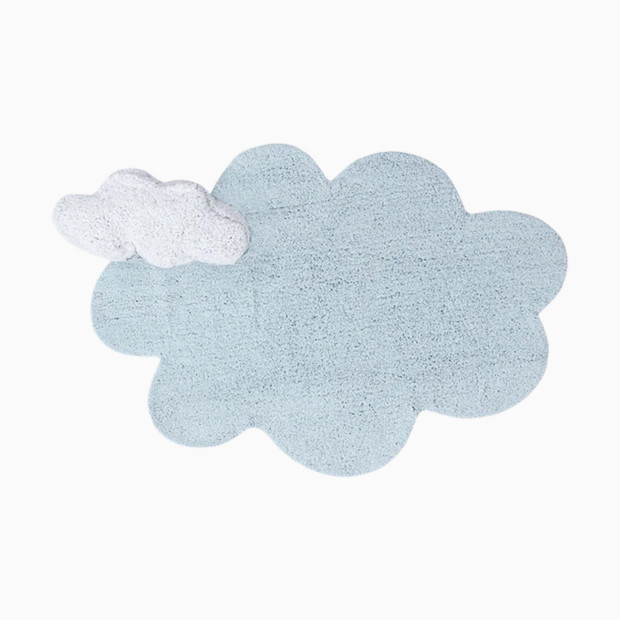
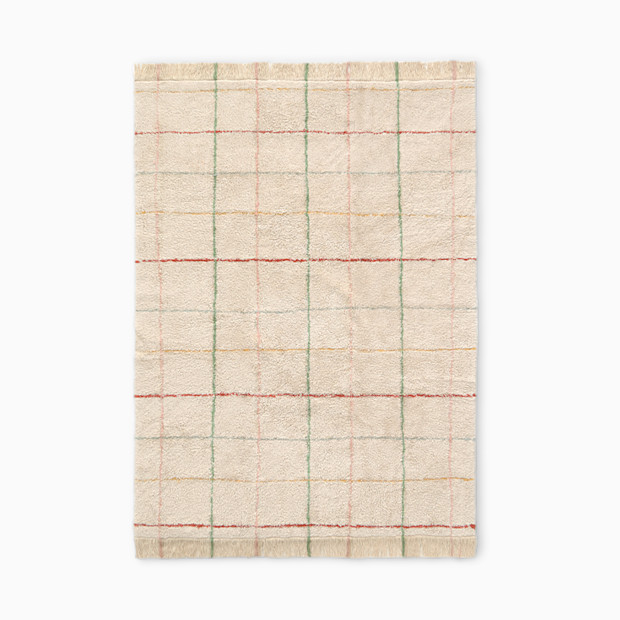
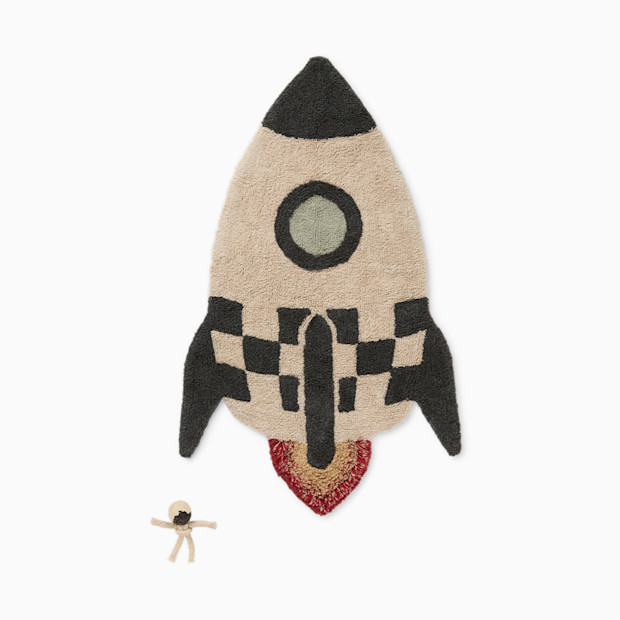
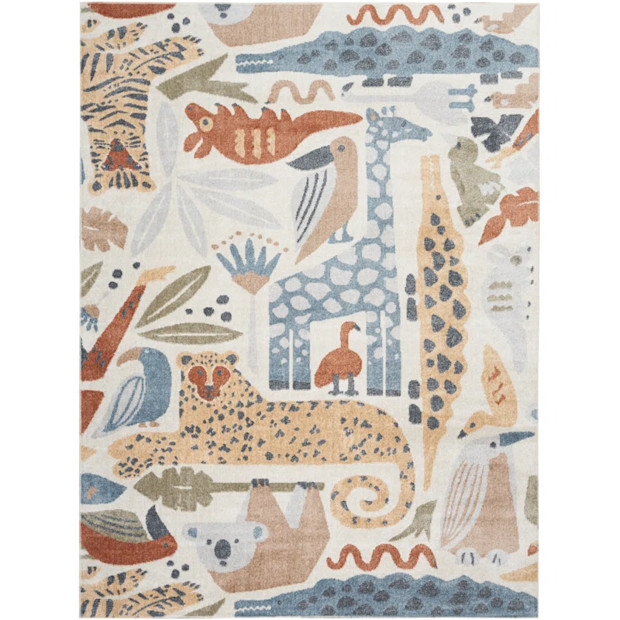
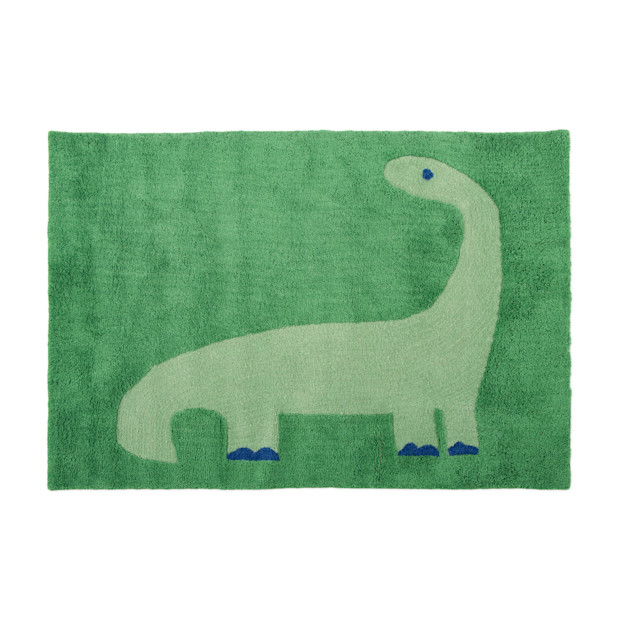
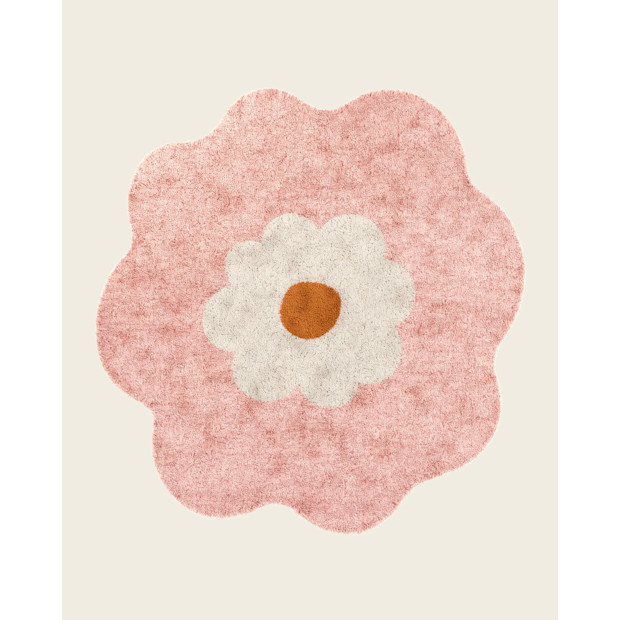
It can be a good idea to forgo wall-to-wall carpeting in a nursery for a variety of reasons. First, consider the cost, not only of the rug itself but also the installation fees. “There are so many gorgeous rugs out there for less than $300,” says Lewis-Costa, pointing to Wayfair and Revival as having wonderful, affordable options.
Batten adds that flatwoven rugs are a great option for nurseries because they’re durable and easy to clean (especially with the right rug pad). “Avoid viscose blends; they may look pretty, but they’re notoriously hard to clean,” she cautions.
Lorena Canals
Rocket Washable Rug

9. Befriend Furniture That Can Live Another Life
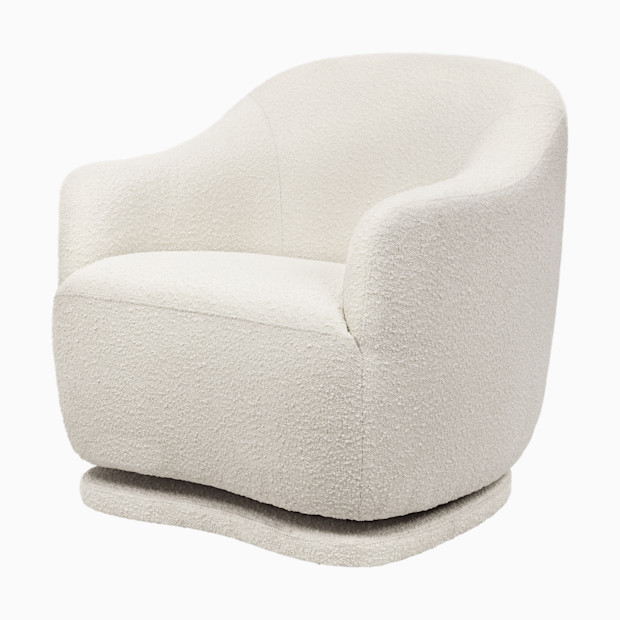
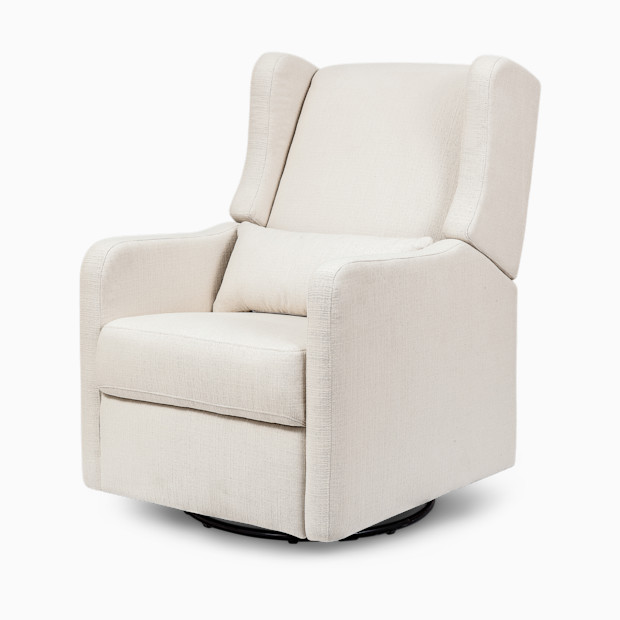
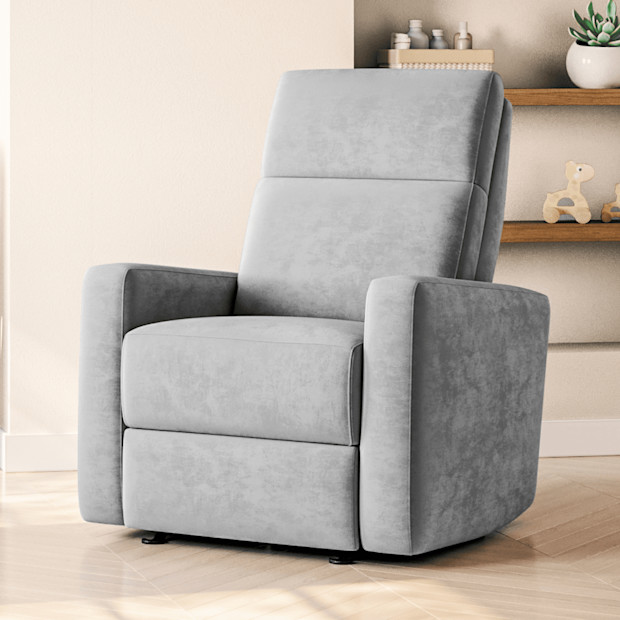
If you can picture a piece of nursery furniture in your living room or bedroom later, it’s probably a good purchase, but if not, it might not be the best investment. “Invest in a nice glider, but select one that can be used elsewhere in the home when it is no longer needed in the nursery,” says Thomasson of this furniture swap you can make to save money. Similarly, look for a dresser, lamp and side table that you know will look great in a guest bedroom or home office one day.
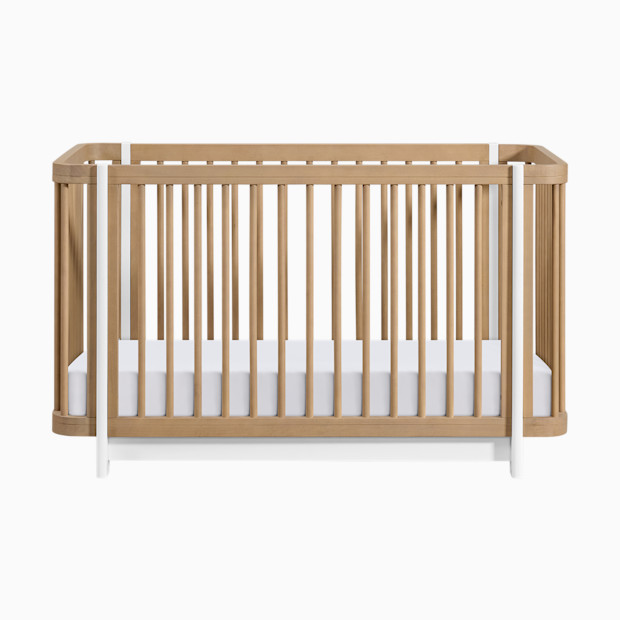
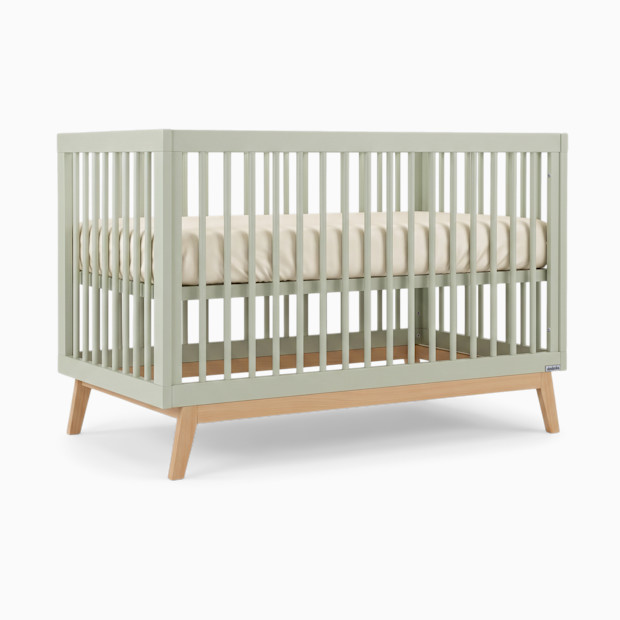
Cribs are another place where you want to keep long-term use in mind. Lewis-Costa recommends the Babyletto Yuzu Crib, which can last up to five years (we also have plenty of other picks for convertible crib that might work better for your space and budget).
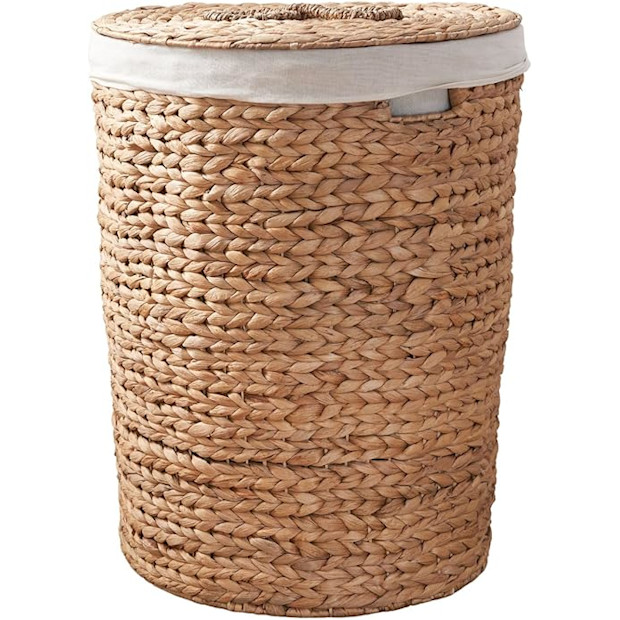
Another smart area to save? Thomasson suggests using woven baskets for toy storage. Coe says you could also use a woven laundry hamper for this purpose. Every nursery needs storage to organize the space, and a hamper with a lid on it can be used for toys, blankets, books, and, of course, laundry, she says. “Plus, its neutral design means it can be used for years, or even moved into another room,” adds Coe.


10. Buy or Register for Secondhand Goods
Hand-me-downs for nursery decor items are a great way to save, and while we don't recommend doing this for cribs and their mattresses since they can break down from use, there are plenty of other furniture options that are good to get used, like dressers and gliders.
To scout for more gently used nursery buys, check out Facebook Marketplace and resale platforms like GoodBuy Gear and eBay. On Babylist registries, you can also register for secondhand items by selecting the “Open to Secondhand” option.
“Don't hesitate to check out your local second-hand store as well,” says Lewis-Costa. Since inventory changes at consignment and thrift stores change regularly, keep in mind that your visit can be hit or miss on any given week for baby goods, so it may be worth scoping out the store multiple times.
Protecting your little one is paramount, of course, so be sure to keep that top of mind when buying nursery furniture, and test it out to make sure it’s still sturdy and in good working condition.
11. Deal-hunt Online for Serious Savings
Prime Day! Target Circle Week! Wayfair’s Way Day! Nordstrom’s Anniversary Sale! The list goes on and on. Sales that once seemed to be reserved for post-holiday bonanzas now take place year-round. It takes a bit of planning, but it can be worth it to reap the rewards (like more money in the bank, for, you know, diapers) when shopping for nursery decor. We even do a weekly sales guide to keep you in the loop on major sales for parents-to-be. Send a calendar reminder to yourself or make a note for some of these major sales dates so you know to get online to save on full-priced items with these epic markdowns.

;)
;)
;)
;)
;)
;)
;)
;)
;)
;)
;)
;)
;)
;)
;)
;)
;)
;)
;)
;)
;)
;)
;)
;)
;)
;)
;)
;)
;)
;)
;)
;)
;)
;)
;)
;)
;)
;)
;)