
Can Babies and Toddlers Safely Sleep Outside? An Expert Weighs In
Snoozing at home isn’t always convenient—or possible. Here are a sleep expert’s top tips (& our favorite gear) for outdoor naps.

By
Safe sleep rules are pretty straightforward: babies need to snooze on their backs in a crib or bassinet (no bumpers and stuffies allowed), and toddlers can graduate to little beds and nap mats. But what about when naptime needs to happen outdoors?
If your family is on the go, particularly if you have older children who play outdoor sports or enjoy the playground regularly, you’re likely to find yourself navigating naptime outdoors. And some sleepy babies seem to settle more easily when they’re outside. “Fresh air and time in nature are why many families love outdoor naps,” says Dr. Nilong Vyas, a pediatrician, sleep expert and founder of Sleepless in NOLA Sleep Coaching and contributor for SleepFoundation.org. But, she says, there’s no medical reason to seek out outdoor naps otherwise. “The proven benefits are more about enjoyment and family routine than any specific medical advantage.”
So how can families create a safe outdoor sleeping environment for babies and toddlers? Below, Dr. Vyas breaks down what parents need to know about outdoor naps, from temperature and sun exposure to sleep spaces and supervision. We’ve also included some of our favorite outdoor sleep gear and a checklist to help your family get it right, every time.
Are outdoor naps safe for babies and toddlers?
Yes—with the right setup. “Outdoor napping can be done safely,” says Dr. Vyas. “The main consideration is that the same safe-sleep rules that apply indoors should apply outdoors too.”
For babies under one year old, these are the ABCs to follow whether you’re indoors or out:
Babies should sleep Alone. That means no bed-sharing.
Babies should be placed down to sleep on their Back.
Babies should only sleep in a Crib or bassinet (playards count) with no loose bedding or soft objects—that means no pillows, blankets, bumpers, stuffed animals or toys. The sleep surface should have a firm, shallow, baby-safe mattress with only a fitted sheet (no other bedding).
Once your child becomes a toddler, a few more safe-sleep factors come into play. More on that below.
What to Consider Before an Outdoor Nap
Dr. Vyas says there are a handful of factors to consider when deciding how and whether to do an outdoor nap.
Temperature
“There's no single ‘safe’ temperature number,” she warns. “Heat is the bigger danger, so avoid naps in extreme heat. In colder weather, outdoor naps are fine if your child is dressed warmly without over-bundling and without anything covering the face.”
Shade
Keep your child’s sleep space in the shade and out of direct sunlight. If natural shade isn't available, use a well-ventilated shade structure that's appropriate for the sleep setup. Never drape a blanket or other fabric over the sleep space to create shade; even the lightest cover can trap a dangerous amount of heat.
Air Quality
Refer to your local air quality index to determine if it’s safe to be and stay outdoors. If the air is smoky, stay indoors.
Weather
It’s also a good idea to check the forecast for inclement weather or strong winds.
Safe Placement and Supervision
“Keep your child within sight and earshot and check on them frequently,” she advises. “Gardening or working nearby is fine as long as you can see and hear your child and check often—especially for signs of overheating and for a mobile toddler.”
She also advises picking a flat, even site (as opposed to uneven or sloped ground) and avoiding areas near tippable surfaces or potential falling objects. Other potential hazards to be mindful of are insects (“use mosquito netting and dress in long sleeves and pants”) and animals (be sure they don’t have easy access to the sleep space).
Toddler Considerations
Once your child is mobile, preventing injuries becomes an additional consideration. Dr. Vyas says to “make sure the sleep space can't be climbed out of in a way that causes a fall, keep cords and straps out of reach, and remove anything that lets a toddler climb or escape toward water or a roadway.”
How to Dress Your Child for Outdoor Naps
However you dress them, Dr. Vyas says it’s a good idea to check them often. “Overheating is a known risk, so … check for sweating, flushed skin or a hot chest.” Her basic guideline is to dress them in “one layer more than a comfortable adult,” adjusting for the temperature accordingly. For example, if it’s cool, the same indoor principles apply: add a sleep sack (rather than loose blankets) or, if you swaddle your baby, follow the same safe-swaddling guidelines you would indoors. And if it’s warm, avoid over-bundling but opt for sun-protective clothing.
What gear can I use for outdoor sleep?
Dr. Vyas also warns that just because a product is marketed "for outdoor use" does not mean it’s necessarily safe for sleep. Here are her guidelines for common outdoor sleep gear:
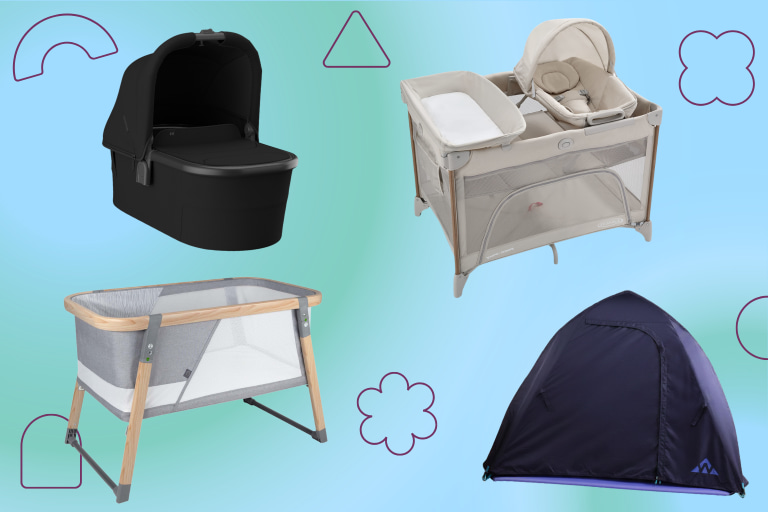
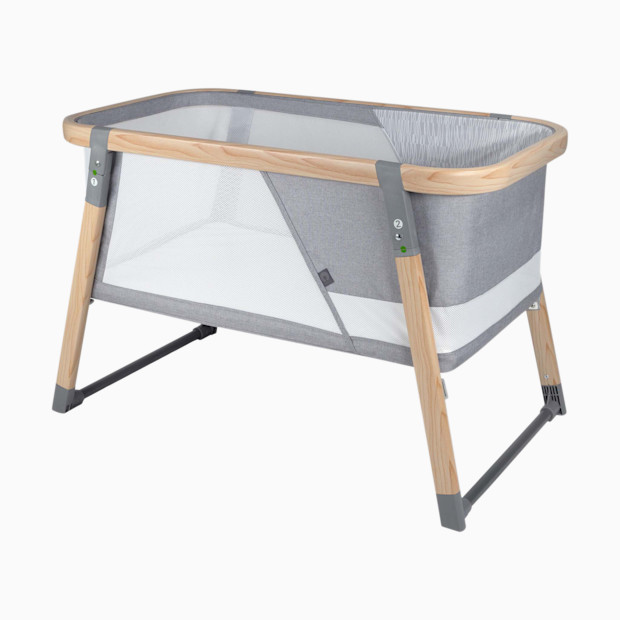
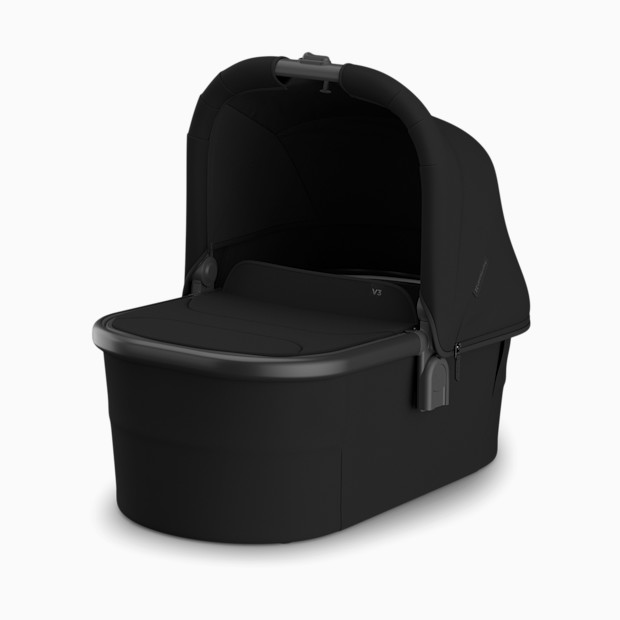
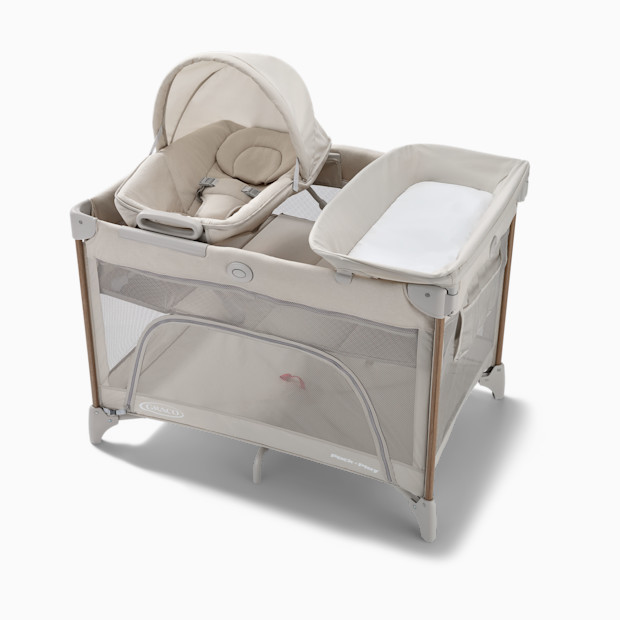
Gear that’s designed for sleep: “A bassinet with a flat, firm surface or a playard with its firm mattress and fitted sheet.” Travel bassinets that easily break down and pop up, like this one from Boppy, can be convenient for outdoor naps. This Graco playard is another versatile option, with a full-sized bassinet for younger babies and spacious playard for toddlers. Some strollers have optional bassinet add-ons, like this UPPAbaby bassinet, which can be attached to several different UPPAbaby stroller models, including the Vista and the Cruz. (UPPAbaby also makes a standalone bassinet stand if you prefer to elevate your baby's sleep space off of the ground.) For any product you’re unsure about, always check the manufacturer’s instructions to verify it’s approved for sleep. Some stroller wagons, for example, have a “lounge” or “lie-down” mat—which are safe for certain scenarios, but not for sleep.
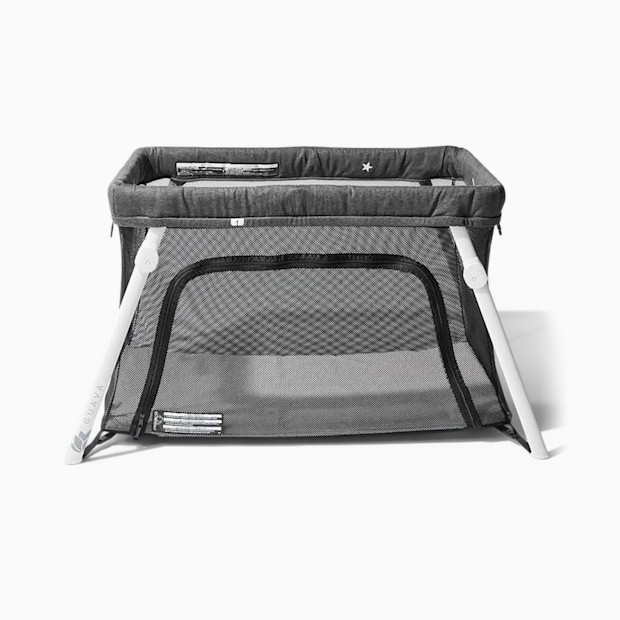
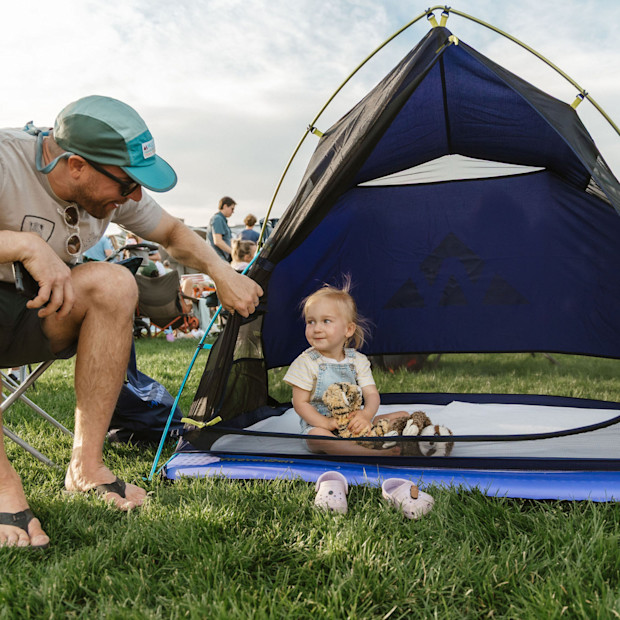
Pop-up tents: “Great for shade and bug protection—but your child still needs a firm, flat surface inside; real ventilation; and protection from overheating (a closed tent in the sun gets dangerously hot).” Some gear is designed to holistically meet these needs, like the Guava Lotus Travel Crib and Playard for babies (that has optional shade cover and mosquito net accessories) and the WrovenDen Sleep System for toddlers (a portable, sustainably made sleep structure). And many beach tents can be great for shade when used over an appropriate sleep surface.
What’s Not Safe For Outdoor Sleep
Dr. Vyas cautions against using the following for baby’s naps: “Reclined stroller seats, car seats, swings, bouncers and slings. If your child falls asleep in one, move them to a flat surface as soon as you can.” Blankets and quilts are also a no.
Outdoor Nap Safety Checklist
Before you put your baby or toddler down for an outdoor nap, make sure you’ve checked:
Sleep space: Use a firm, flat surface specifically approved for sleep. For babies under 1, use only a fitted sheet and keep the space free of blankets, pillows, toys and other soft objects.
Position: Put babies under 1 to sleep on their backs.
Temperature: Make sure conditions aren't excessively hot or cold, and watch for signs of overheating, including sweating, flushed skin or a hot chest.
Clothing: Dress your child appropriately for the weather without over-bundling. For babies, use a wearable blanket or sleep sack instead of a loose blanket.
Shade: Keep the sleep space out of direct sunlight. Use a well-ventilated shade structure rather than draping a blanket or other fabric over the sleep space.
Air quality: Check the local AQI and stay indoors when air quality is poor, including during smoky conditions.
Weather: Check the forecast and skip outdoor naps during thunderstorms, high winds or other severe weather.
Insects and animals: Use appropriate bug protection, such as a properly fitted mosquito net, and consider long sleeves and pants. Make sure pets and other animals can't access the sleep space.
Surroundings: Choose level, stable ground away from pools and other bodies of water, roads, cords, gardening equipment, unstable structures and potential falling objects.
Supervision: Keep your child within sight and earshot and check on them regularly. Be especially vigilant with toddlers who can climb, crawl or otherwise escape their sleep space.
More Safe Sleep and On-the-Go Resources
😴 For more on safe sleep, see our comprehensive guide
🎧 If your child loves white noise at home, a portable machine could elevate their outdoor naps (so could this built-in white noise feature on iPhones)
💼 See more safe sleep advice from Dr. Vyas in her answers to Babylisters’ real safe sleep questions

;)
;)
;)
;)
;)