
How to Keep Babies Cool, Safe and Comfortable in Heat
You don’t have to stay inside—here’s how to help your baby stay cool and comfortable on warm days.

By
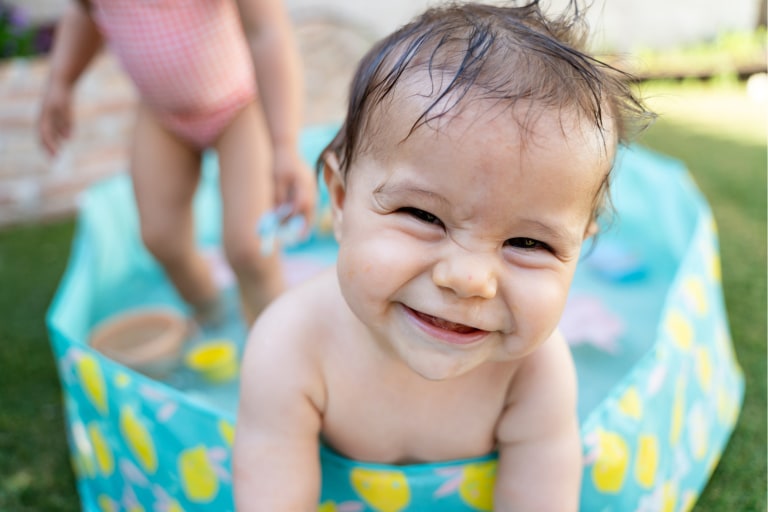
Hot summer days with a baby can feel like a lot. Babies don’t regulate their body temperature as well as adults do, which means it’s easier for them to overheat—and harder for them to tell you when something’s off.
That doesn’t mean you're stuck inside until things cool down—there are practical ways to help keep your baby cool and safe when temperatures rise. I talked to two experts, board-certified pediatrician Dr. Debra Goldenring, and Jen LaBracio, Babylist’s senior gear editor, who also happens to be a certified passenger safety technician (CPST), for expert tips about what to look out for and how to keep babies safe in warm weather.
Here are a few simple ways to keep your baby cool and comfortable on warm days.
🌡️ Plan Around The Heat
You don’t have to stay inside all summer—but a little planning can help outings go more smoothly. It’s a good idea to check the weather, so you know what to expect throughout the day.
Sometimes it’s less about avoiding the heat entirely and more about working around it (and adjusting expectations a little). For example, a spray bottle filled with water can double as a quick cool-down and an easy way to keep toddlers entertained. And a stroller fan also comes in handy here.
If temperatures seem like they’re going to be high, here are some tips:
Aim for outdoor time earlier or later in the day
Take shade breaks often
Bring an extra outfit in case your baby gets sweaty
👒 Dress Your Baby For the Weather
When it comes to dressing your baby in the heat, less is usually more. Babies can overheat easily, and what they’re wearing makes a big difference.
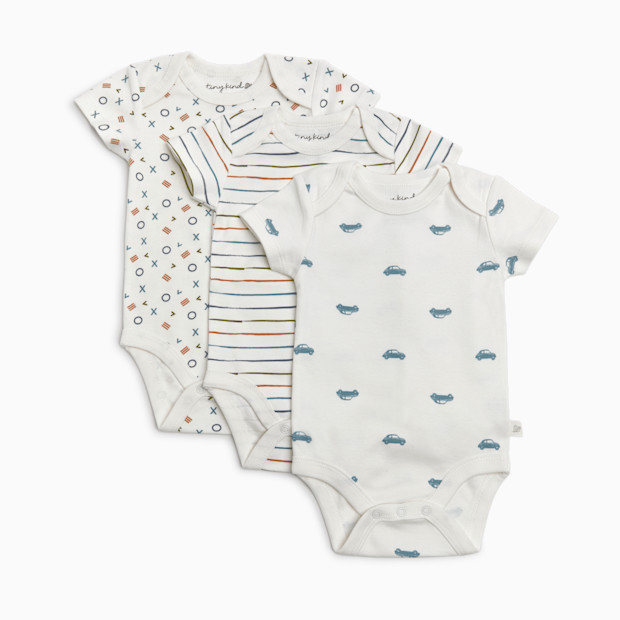
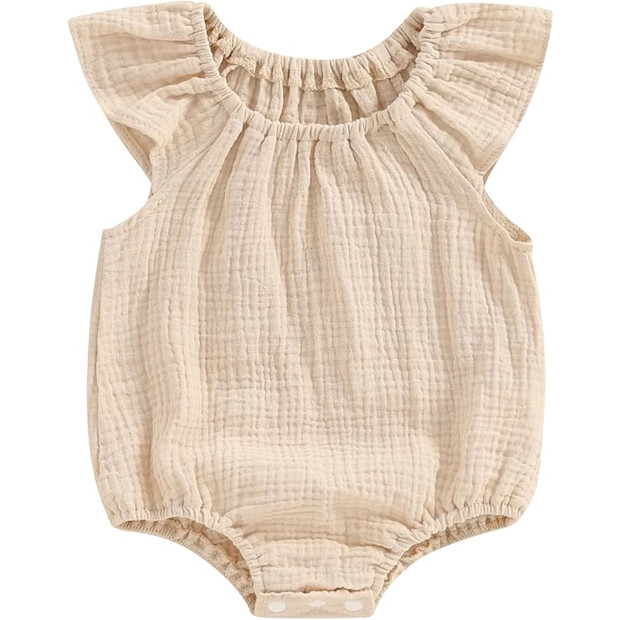
A good rule of thumb: dress your baby in one lightweight layer, like a breathable cotton bodysuit. If it feels hot to you, it probably feels even hotter to them.
What helps:
Stick to light-colored, loose-fitting clothing
You can usually skip extra layers unless you’re heading into air conditioning
Check their chest or back (not hands or feet) to gauge if they’re too warm
To check if they’re too warm, feel their chest or back—if it’s sweaty or hot, it’s time to cool things down. Dr. Goldenring adds, “In addition, their cheeks may be flushed, and they may look sweaty and may even have damp hair.”

🌞 Be Smart About Sun Exposure
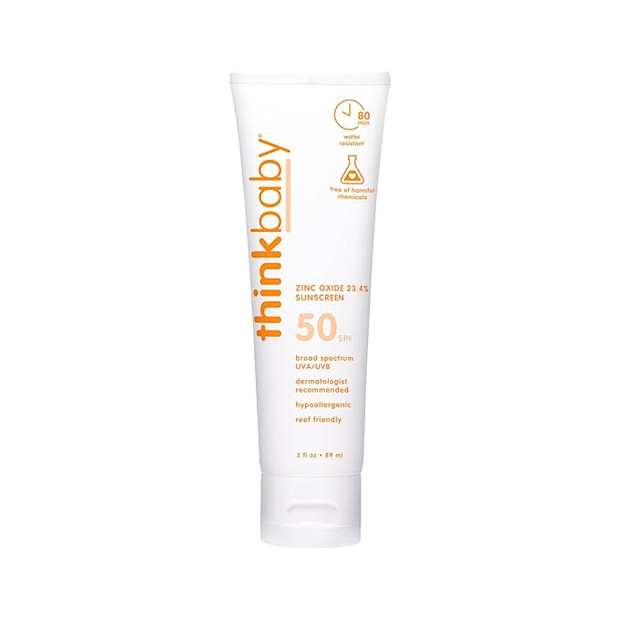
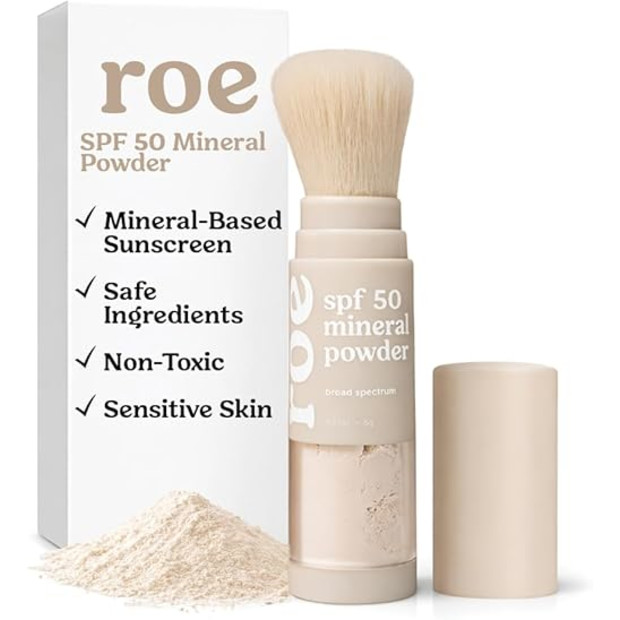
Babies under six months are especially sensitive to the sun, so it’s best to keep them out of direct sunlight as much as possible. If they’re under six months, they’re also too young for sunscreen. Shade is your best friend here.
To help reduce your baby’s sun exposure, you can try:
Using a stroller canopy or umbrella
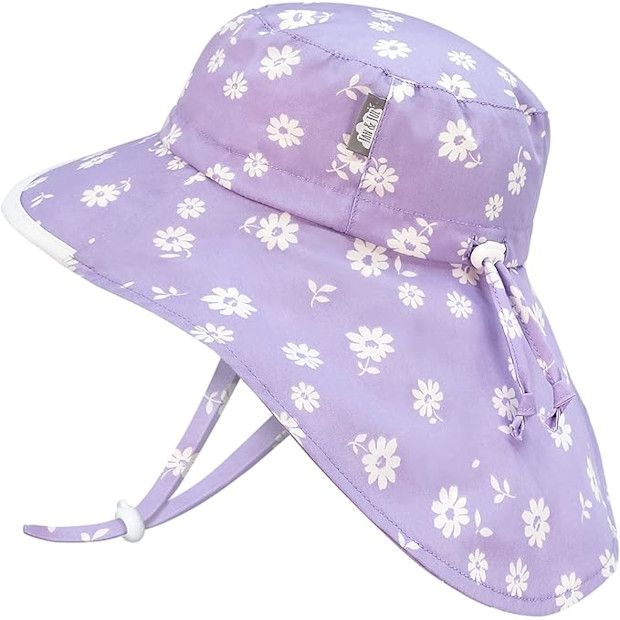
Dressing baby in a wide-brimmed hat
Planning outdoor time for earlier in the morning or later in the evening;
“Sunscreen, shade and clothing choices each protect a baby differently,” says Dr. Goldenring. For older babies, you can add baby-safe sunscreen to exposed areas—but shade and protective clothing still do most of the heavy lifting.
🫠 Watch For Signs Of Overheating
It’s normal to check on your baby a little more when it’s hot out, and knowing the signs of overheating can help you respond quickly.
Signs your baby may be too warm include:
Sweating or damp hair
Flushed cheeks
Rapid breathing
Fussiness or unusual sleepiness
If you notice these, move them to a cooler space, remove extra layers and offer a feeding. “In the context of a warm environment, behavior can also be an indicator—a baby may get fussy, fidgety, or irritable,” Dr. Goldenring says. But remember, babies are just fussy sometimes so this doesn’t necessarily mean something is up.
A few signs she says may indicate they truly are overheated include, “More concerning signs like rapid breathing or acting particularly sluggish.” In that case, Dr. Goldenring says to get to a cooler environment (like indoors with AC), remove baby’s clothes and use a cool washcloth (not ice) to help bring their temp down. And if symptoms don’t improve within about 10 minutes or seem severe, you’ll want to give baby’s doctor a call.
A note on car seat and stroller covers…
One more thing to keep in mind about babies and overheating, “The backside of car seats and strollers are lined, so remember that it can get really warm in those things!” Dr. Goldenring says.
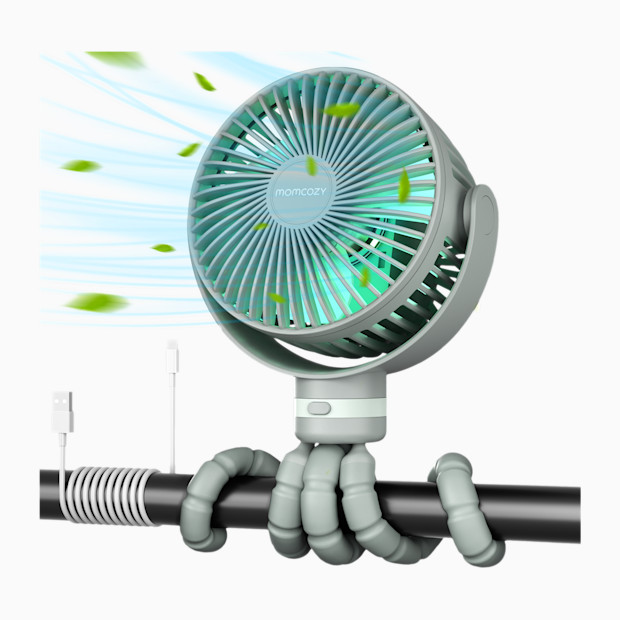
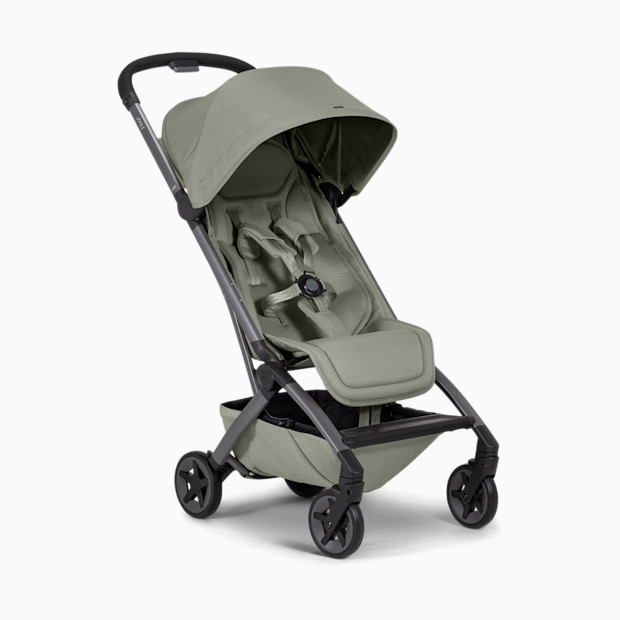
When it’s warm out, you’ll want to avoid covering your baby’s car seat or stroller, “even when using a very thin muslin blanket,” LaBracio says, since it can trap heat and limit airflow. It’s the biggest unintentional mistake she sees when parents are trying to create their own shade for their baby. A stroller fan can come in handy here, with one caveat: “If you do want to use a stroller fan, it’s fine to clip it to your car seat when it’s not in use—but it needs to come off as soon as the seat is being used in the car,” LaBracio says.
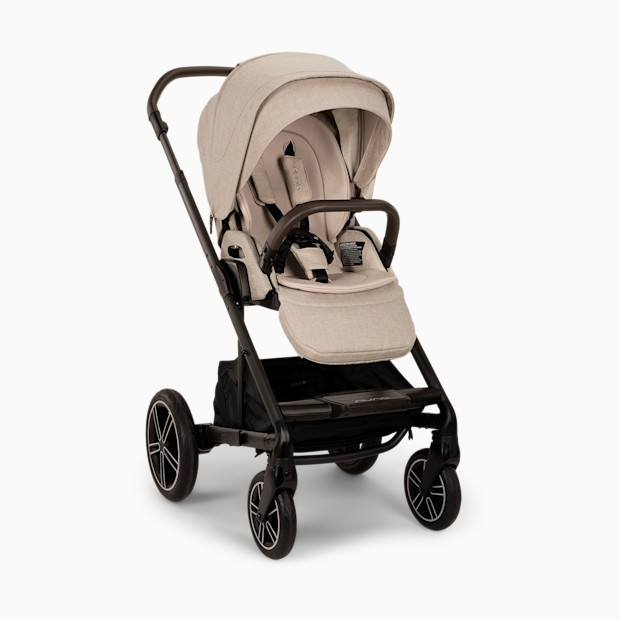
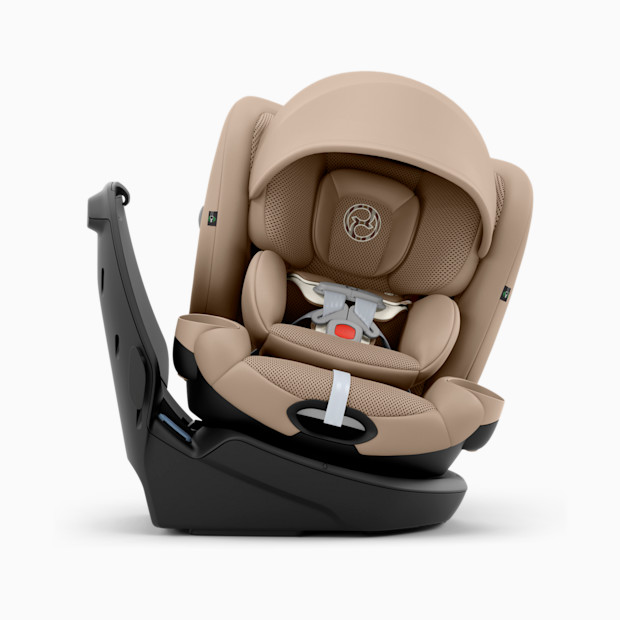
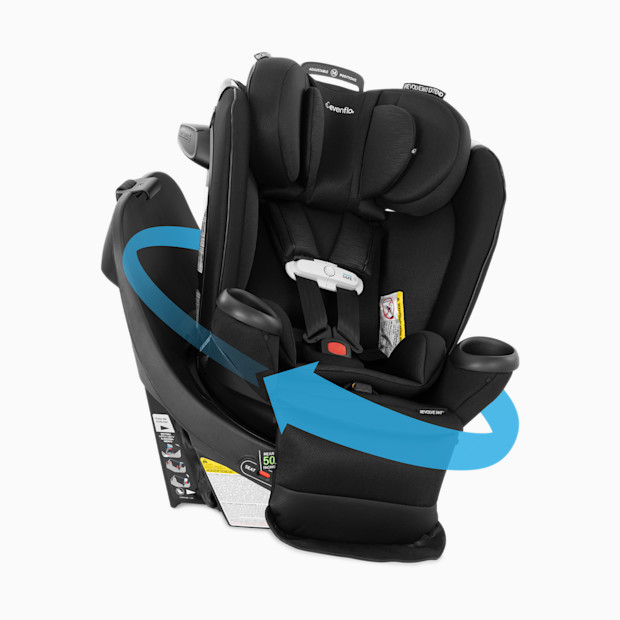
If you live in a warmer climate, you don’t have to be trapped indoors either. LaBracio recommends opting for warm-weather friendly car seats and strollers that have built-in cooling features. “For strollers, this looks like lighter colored, cooler fabrics, extendable canopies with built-in UPF sun protection, multiple ventilation panels, an all-season seat with a mesh option or a leg shade. For infant car seats, focus on seats made from more breathable fabrics that feature extendable canopies and built-in ventilation.”
🍼 Keep Baby Hydrated
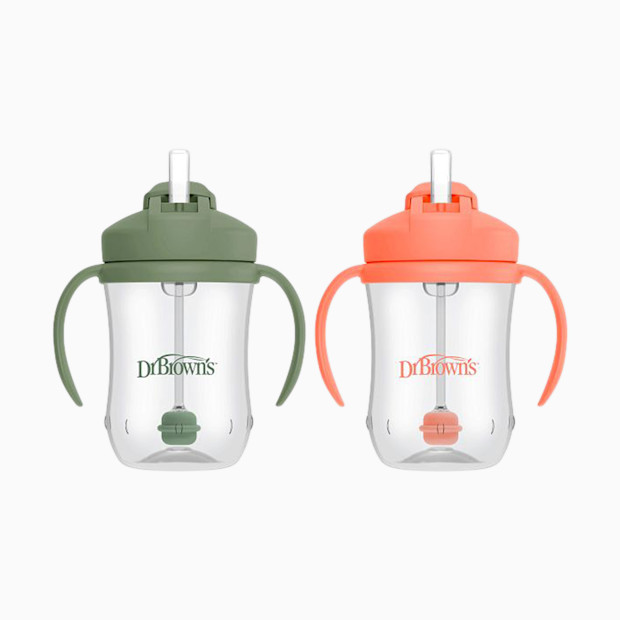
Staying hydrated is just as important for babies as it is for adults, especially in hot weather. “Babies need more frequent feeds in hot weather because they can’t regulate their body temperature as well as adults can,” Dr. Goldenring says. The key to keeping babies hydrated—whether you’re feeding them breast milk or formula—is smaller, more frequent feeds. “Consider this: if you’re thirsty in the heat, chances are your baby is thirsty too.”
For babies under six months, breast milk or formula is all they need—even in hot weather. You may notice they want to feed more often, and that’s totally normal.
For babies six months and older Dr. Goldenring says, “Providing their regular feeds with some water in between is recommended.” If you’re ever unsure about hydration, your healthcare provider can help guide you. For older babies and toddlers, frozen treats can also help with hydration. Think blended frozen fruit “ice cream” or simple fruit pops.
🚗 Never Leave Your Baby In a Parked Car
This one’s worth repeating: never leave your baby in a car, even for a minute.
Cars can heat up quickly, even on mild days, and temperatures inside can become dangerous fast. Some parents find it helpful to leave something they’ll need (like a phone or bag) in the back seat as a reminder.
There are a few apps—like Safe Seat—that you can use to set a reminder if you’re worried. And if you use Waze for directions, there’s also a “Child Reminder” you can set up that triggers an alert upon arrival to help prevent leaving children or pets in the car. Some newer vehicles even have a rear seat reminder setting you program right in the car.
💤 Create A Cool Sleep Environment
Overheating during sleep is something many parents worry about—and for good reason. The good news: a few small adjustments can help keep your baby comfortable:
Keep the room at a comfortable temperature (generally 68–72 degrees)
Use a fan or AC if you have it
Dress baby in light sleepwear and skip heavier sleep sacks (often labeled with a higher TOG)
🏖️ Cool Ways to Play Outside In Warm Weather
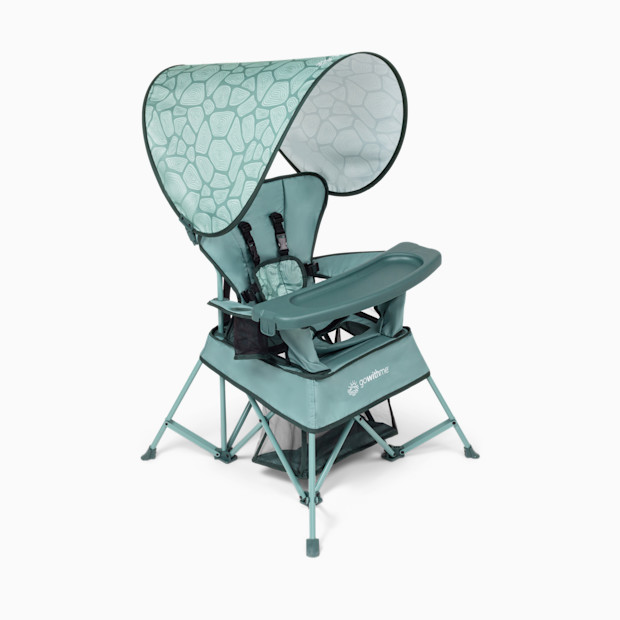
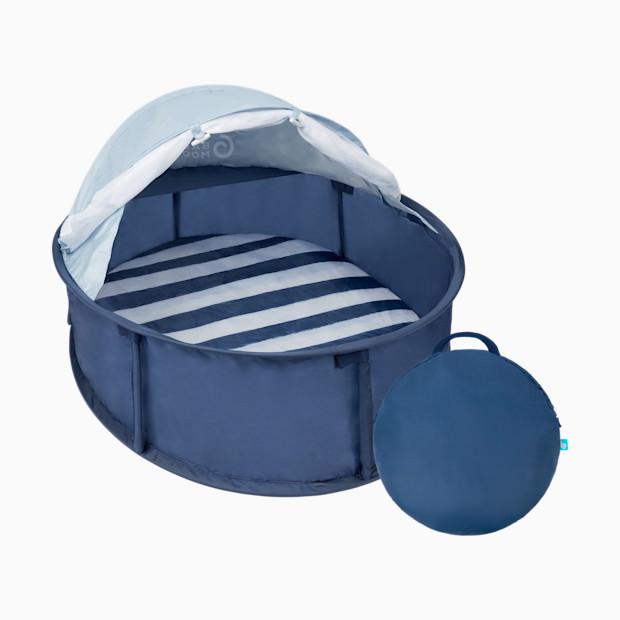
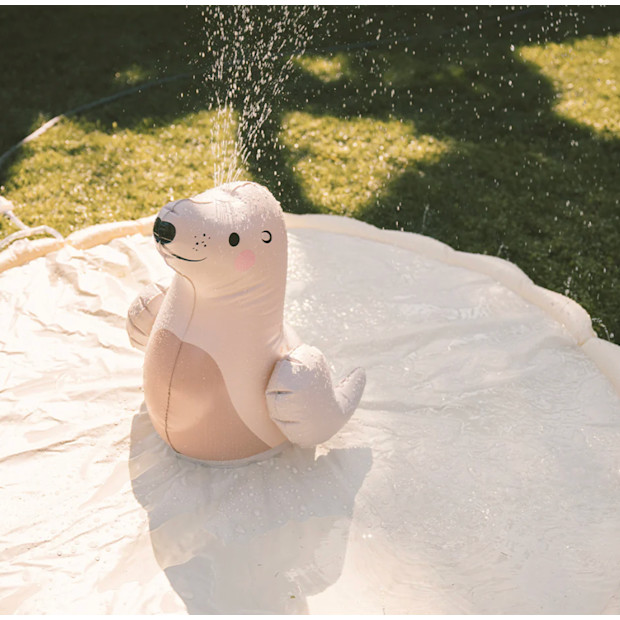
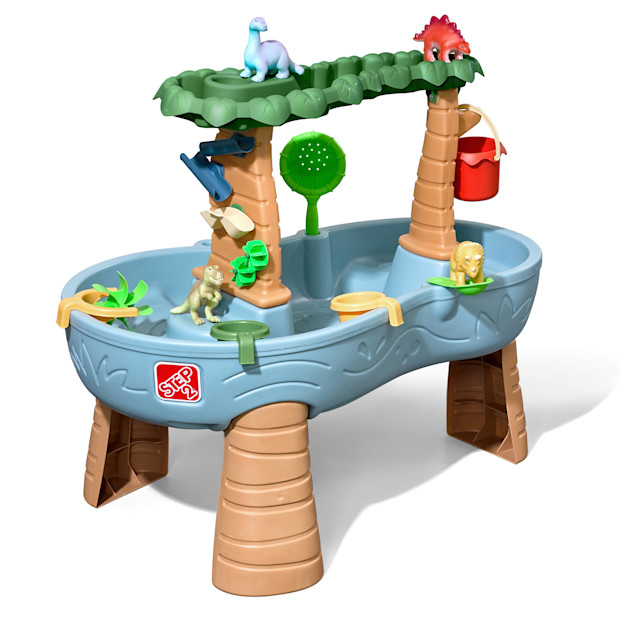
Once your baby is dressed for the weather and protected from the sun, you can still enjoy some outdoor time—especially with activities that help keep things cool.
For older babies and toddlers, simple frozen snacks can double as a way to cool down during playtime—like frozen watermelon or blended fruit treats. You can also try easy make-ahead options like frozen banana and peanut butter bites or easy fruit-based “ice cream.”
Keeping your baby cool usually comes down to a few basics: light clothing, shade, hydration and a comfortable environment. Once you’ve got those covered, you can get back to enjoying the day (or at least getting through the heat together).
Expert Sources
Babylist uses high-quality subject matter experts to provide accurate and reliable information to our users. Sources for this story include:
Dr. Debra Goldenring, a board-certified pediatrician at Concierge Pediatrics based in New Jersey
Jen LaBracio, Babylist’s senior gear editor and certified passenger safety technician

 - Car, Stripe Multi Print, Newborn","url":"https://www.babylist.com/gp/tiny-kind-organic-printed-short-sleeve-bodysuit-3-pack/44174/1660668","source":"hello_baby"});)
;)
 - Yellow Duck Multi, 0-3 M","url":"https://www.babylist.com/gp/magnetic-me-organic-cotton-magnetic-bodysuit-3-pack/81309/3028657","source":"hello_baby"});)
;)
;)
;)
;)
;)
;)
 - Coral & Olive Green, 9 Oz","url":"https://www.babylist.com/gp/dr-brown-s-baby-s-1st-straw-cup-2-pack/50653/1937707","source":"hello_baby"});)
;)
;)
;)
;)
;)
;)
;)
;)