
Thinking About Collecting Colostrum? Start Here
Before you buy a collector kit, learn what colostrum is, why it matters and whether collecting it is right for you.

By

One topic that many new parents learning about breastfeeding will probably come across is colostrum. Maybe you've heard it called "liquid gold," or maybe you've noticed more colostrum collection kits popping up online and wondered what all the buzz is about. Parents collect it for a few reasons: to practice hand expression before their baby arrives, to have a backup supply on hand if latching takes a little longer to click, or for peace of mind in case they're separated from their baby right after birth. As collecting colostrum before birth becomes more common, it's natural to have questions about what it actually is, whether you should do it and why it matters in the first place.
In addition to being a Babylist associate editor, I'm also a Certified Lactation Counselor (CLC) and a mom of two who breastfed for nearly four years. To make sure this guide reflects both the latest evidence and real-world clinical experience, I also spoke with three International Board Certified Lactation Consultants (IBCLCs)—Emily Spaeth, Mindy Cockeram and Sharon Berger—about what they wish every parent knew about colostrum.
Here's what colostrum is, why it's so important and what to expect during your baby's first few days of feeding.
What Is Colostrum?
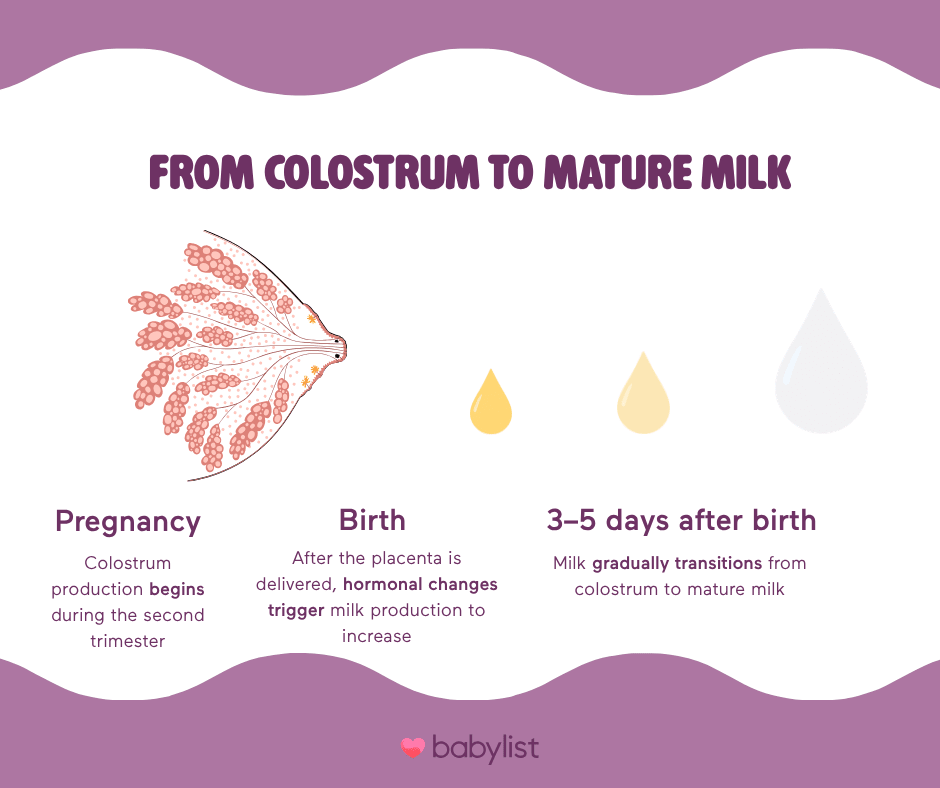
Colostrum is the earliest form of breast milk. Your body starts making it as early as week 16 of pregnancy, though many people never notice it before birth—and that's completely normal. After your baby is born, colostrum is the first milk they'll receive for the first few days before your milk begins transitioning to larger volumes.
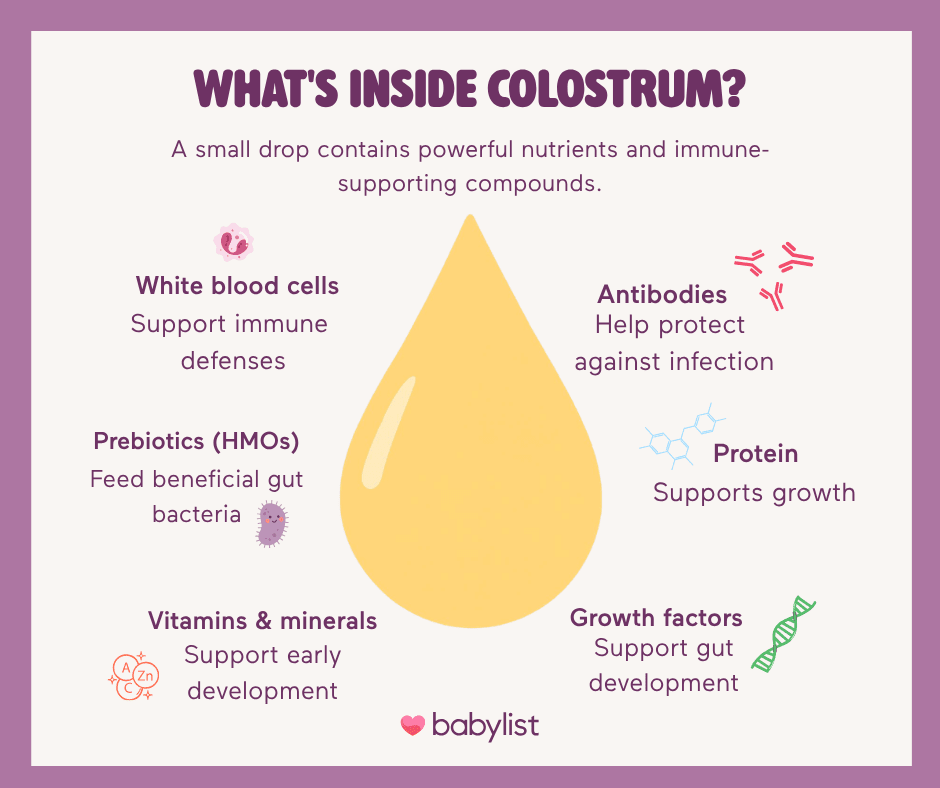
That first milk is thick, concentrated and often deep yellow or orange—part of the reason it's nicknamed "liquid gold." But the nickname isn't just about its color. It's also packed with antibodies, nutrients and growth factors that help support your baby's immune system and brand-new digestive tract.
"When someone tells me their milk hasn't come in yet, but they are making colostrum, I always say, 'No! Colostrum is milk. It's the most important milk,'" Spaeth says. "It's doing immunological, digestive and metabolic work all at once, in exactly the quantities a brand-new gut can handle."
Why is colostrum important?
Colostrum is much more than your baby's first food. Even though it's produced in tiny amounts, it's designed to do a lot of work during those first few days after birth. From supporting your baby's immune system to jumpstarting digestion and helping stabilize blood sugar, every drop has a purpose.
Helps support your baby's immune system
What makes colostrum so powerful is what's packed inside. It’s packed with antibodies, white blood cells, growth factors and other bioactive compounds that help protect your baby during those first days of life.
"It's loaded with immunoglobulins, particularly secretory IgA, that coat the infant's gut lining and help establish that first line of immune defense before their own system is fully online," says Spaeth.
These antibodies provide what's known as passive immunity—temporary protection borrowed from your immune system until your baby's own immune defenses begin maturing.
Helps get your baby's digestive system up and running
Although babies swallow amniotic fluid during pregnancy, their digestive system has never actually processed food before. Colostrum helps prepare that brand-new gut for feeding while encouraging healthy digestion from the very first meal.
"It has a laxative effect too, which helps clear meconium and get bilirubin moving out of the body," Spaeth says.
Passing meconium (that first, tar-like poop) helps remove excess bilirubin, which may lower the risk of jaundice that requires treatment.
Helps stabilize blood sugar
The moment your baby is born, they stop receiving a constant supply of nutrients through the placenta and umbilical cord. Even though colostrum comes in teaspoons instead of ounces, it's calorie-dense and provides the nutrition healthy, full-term newborns need while helping stabilize blood sugar until your milk volume begins increasing.
What colostrum lacks in volume, it more than makes up for in nutrients. It's exactly what your body is designed to make for those first few days of feeding.
When does colostrum production begin?
Your body actually starts making colostrum long before your baby makes their debut, around the halfway point of pregnancy. Some parents notice small clear, yellowish drops leaking during the late second to third trimester. Others never see a drop before birth—and both are completely normal. Neither one predicts how feeding will go once your baby arrives.
After your baby is born, colostrum is the only milk they'll receive for the first few days. It's specifically designed to meet all of a healthy, full-term newborn's nutritional needs until your milk volume begins increasing.
Typically, around three to five days after birth, your hormones trigger lactogenesis II, the scientific term for your milk "coming in." But your milk isn't suddenly arriving—it's transitioning. Colostrum gradually becomes thinner, lighter in color and larger in volume, eventually becoming what most people think of as mature breast milk.
One common misconception is that everyone's milk comes in on the same timeline. In reality, "For many women, it will happen around day three," says Cockeram. "For those who've had a C-section, have gestational diabetes, PCOS or other risk factors, it may be day four or five."
"In the meantime, frequent colostrum feeds can absolutely be enough," she adds.
Should you collect colostrum before birth?
You don't need to collect colostrum before birth to have a successful breastfeeding journey. Your body will continue making colostrum after your baby is born whether you've collected any beforehand or not.
That said, some parents choose to hand express and store colostrum during the last few weeks of pregnancy. Having a small supply on hand can be helpful if your baby has trouble latching right away, you're separated after birth, your milk volume takes a little longer to increase or your baby needs extra feeds for medical reasons. It also gives you a chance to practice hand expression before your baby arrives, when there's a little less pressure.
Collecting colostrum during pregnancy may be especially worth discussing with your healthcare provider if you're having a scheduled C-section, being induced, managing gestational diabetes or expecting your baby to spend time in the NICU.
"Typically, antenatal hand expression is appropriate after about 36 to 37 weeks, but I always recommend discussing it with your healthcare provider first," Berger says. It isn't recommended for everyone, though. If you have placenta previa, a history of preterm labor, cervical insufficiency or another condition that puts you at higher risk of early labor, talk with your healthcare provider before trying it.
A common concern is whether expressing colostrum before birth means you'll have less once your baby arrives. Fortunately, that's not how it works. "The hormones of pregnancy will keep you making colostrum until your placenta comes out. There is no chance that you'll use up your colostrum before your baby arrives,” says Spaeth.
How To Collect Colostrum Before Birth
If your healthcare provider has given you the go-ahead to collect colostrum during pregnancy, most recommend waiting until about 36 to 37 weeks to start. Hand expression—not pumping—is usually the preferred method this early because it's gentler and creates less breast stimulation, which may reduce the chance of triggering contractions before your due date.
If you're new to hand expression, ask your healthcare provider or lactation consultant to show you the technique or watch a demonstration from a trusted source. It can take a little practice, and that's completely normal. (This video from Standford Medicine is a helpful demonstration!)
"The goal is just to learn how to hand express, not to collect colostrum immediately," says Berger. "Spend time learning what hand position, finger placement, pressure and rhythm work for your body."
Even if nothing comes out at first, don't be discouraged. Many parents aren't able to express colostrum during pregnancy, and that doesn't predict how much milk they'll make after their baby is born.
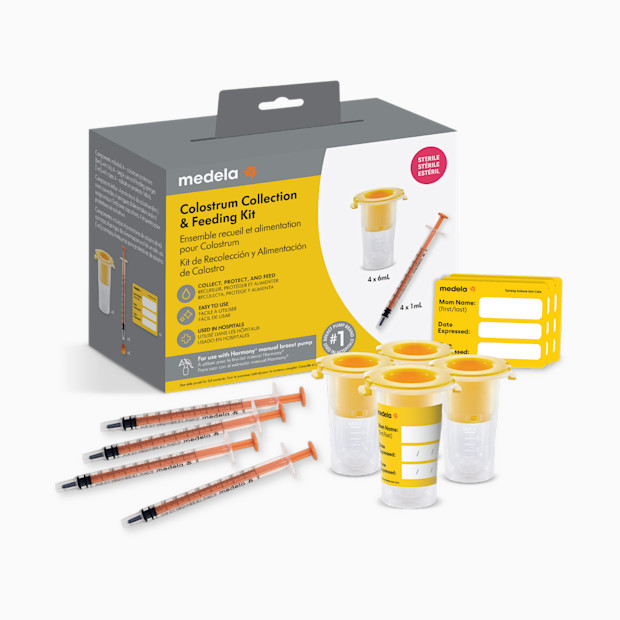
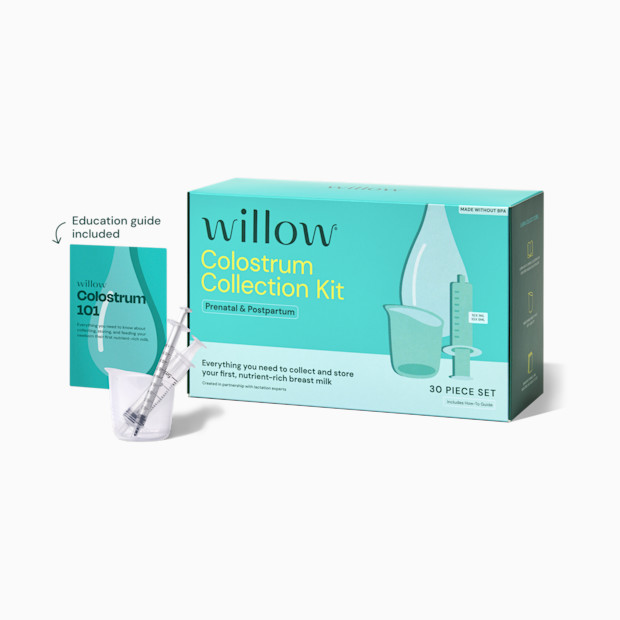
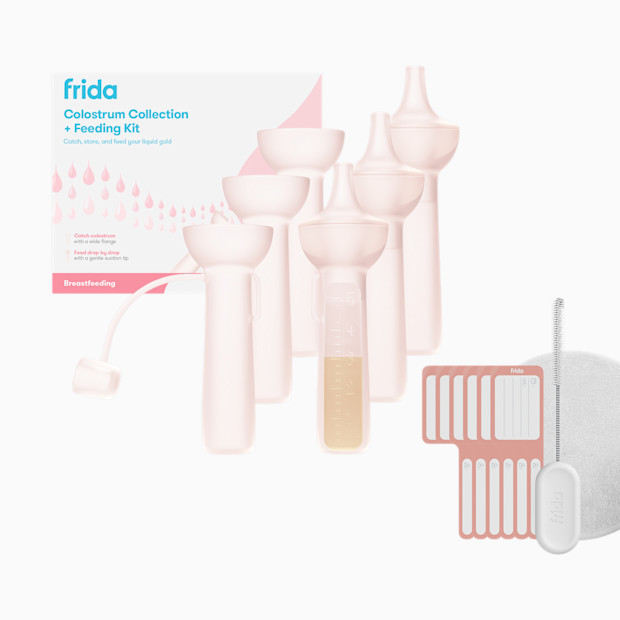
When you do express colostrum, collect it in a sterile needle-free 1 mL oral syringe or a small sterile container (we've rounded up some of our favorite colostrum collection kits below). Since the amounts are so small, a syringe makes it easy to collect every drop. Label each syringe with the date and time, then refrigerate it if you'll use it within a few days or freeze it for longer storage.
When it's time to use your stored colostrum, you’ll follow the same general advice for thawing and warming breast milk. Thaw it overnight in the refrigerator or in a bowl of warm water. Avoid microwaving it, since it can create hot spots and may damage some of colostrum's protective components. Once thawed, use it within 24 hours and don't refreeze any leftovers.
Pro tip: Try hand expressing after a warm shower or bath, when you're relaxed. Oxytocin—the hormone that helps release milk—works best when you're comfortable, while stress can make expression more difficult, Cockeram explains.
How much colostrum should I collect?
The amount of colostrum you might express is usually very small, which is why a syringe or small cup works best for collecting it. So even a few drops per session are completely normal. Your body isn’t meant to make a ton of colostrum because a newborn's stomach is only about the size of a small marble at birth. As the days go by, frequent feeding and your baby's growing stomach capacity signal your body to transition from colostrum to what lactation experts call "mature milk."
Whether or not you collect colostrum before birth, your body is already preparing to feed your baby. If you have questions along the way, your healthcare provider or a lactation consultant can help you figure out what works best for you.
And if you decide collecting colostrum is right for you, these kits can make storing those tiny amounts a little easier.

Frequently Asked Questions About Colostrum
Does expressing colostrum induce labor?
Any breast stimulation during the later weeks of pregnancy has the potential to cause uterine contractions and may help jumpstart labor. For most low-risk pregnancies, it's fine to collect colostrum after checking with your provider.
What does colostrum look like?
Colostrum can range from deep yellow or orange to pale cream or even clear. It's also much thicker and stickier than the milk that comes later.
Can you pump colostrum?
You can, but hand expression is generally recommended before birth because it's gentler and doesn't overstimulate the uterus. After delivery, pumping colostrum with a manual breast pump is fine if you need to, but it's harder because the volume is so low and its thick texture doesn't flow through pump parts as easily as mature milk.
What if nothing comes out when I try to express colostrum?
That's common, and it's not a sign of anything wrong. "There is absolutely no correlation between a lack of expressible antenatal colostrum and low milk supply postpartum," says Berger. "Some people never see a drop before birth and go on to make a full milk supply."
Do I need to collect colostrum before birth?
No. Collecting colostrum before birth is completely optional. As Cockeram explains, colostrum and mature milk aren't two separate things. "Mature milk is simply very diluted colostrum," she says. "I remind women that it's a river that grows in speed and volume over time."
Your body is already making colostrum, whether or not you choose to collect it before birth. Once your baby arrives, it'll still provide all the same benefits.
Can I freeze colostrum?
Yes, in labeled, sterile syringes. Depending on when you start collecting, freezing it is usually your best option since you likely won't be using it right away. When you are ready to feed it to your baby, simply thaw it in warm water and be sure to use within 24 hours.
Can formula-fed babies receive colostrum?
Yes! If you've collected colostrum before birth, you can absolutely offer it alongside formula. IIn fact, it can help support your baby's immune system and digestive tract even if you don't plan to breastfeed.
Expert Sources
Babylist uses high-quality subject matter experts to provide accurate and reliable information to our users. Sources for this story include:
Emily Spaeth, PT, DPT, IBCLC, founder of Be Well Baby PDX
Mindy Cockeram, IBCLC, and author of several breastfeeding books
Sharon Berger, IBCLC, founder of Our Milk House

;)
;)
;)
;)