
Best Toys & Gifts for Babies 0–6 Months
Playtime is essential to your baby’s development; here are our favorite toys for learning and fun.

By
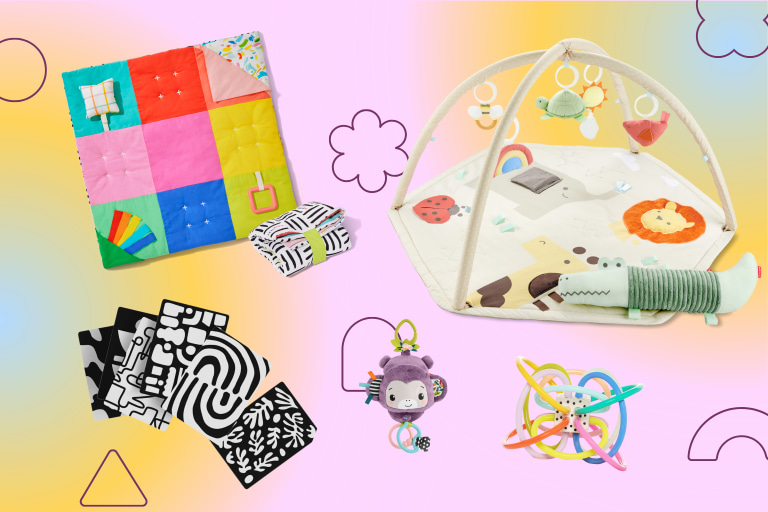
The best toys for babies from birth to six months are simple, sensory toys that match their emerging skills: a play gym for tummy time, high-contrast cards for visual tracking, an easy-grasp rattle and a soft book or stroller toy. A few of our favorites include the Lovevery Play Gym for floor play, the Manhattan Toy Winkel Rattle for early grasping and the Itzy Ritzy Stroller Activity Toy for entertainment on the go. You don’t need everything at once—choose one or two toys that fit your baby’s current stage and interests.
Before becoming an editor at Babylist, I studied early childhood development and taught preschool. When curating the toys in this guide, I look for options that are safe, simple and designed to encourage exploration and open-ended play. I also spoke with two experts—Dr. Karen Klawitter, a board-certified pediatrician with more than 25 years of experience, and Kiara DeWitt, a pediatric neurology RN and lead educator at Cook Children’s Medical Center—about what parents should know when choosing safe, developmentally appropriate toys.
Whether you’re adding a few new options to your baby’s collection or searching for the perfect gift, these are our favorite toys for babies from birth to six months. Shopping for an older baby? See our guide to the best toys for babies six to nine months.
Best Toys for Tummy Time
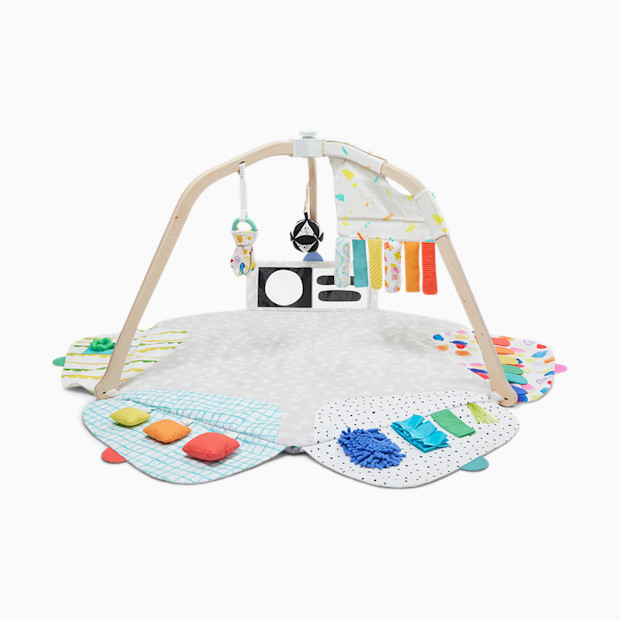
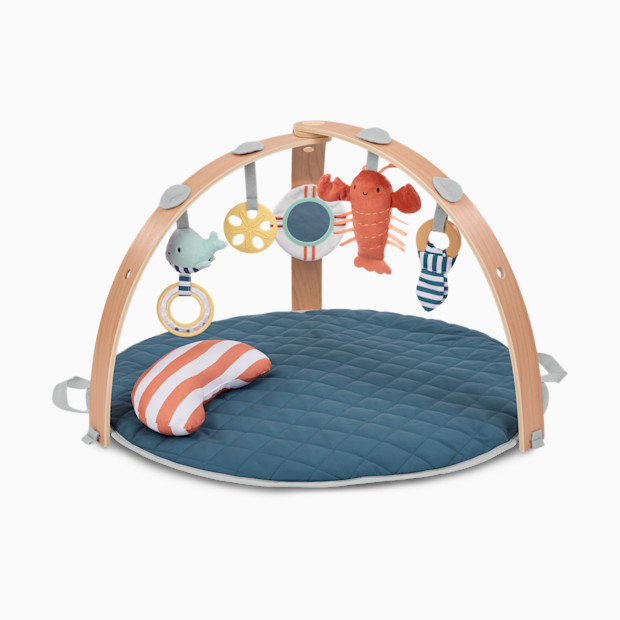
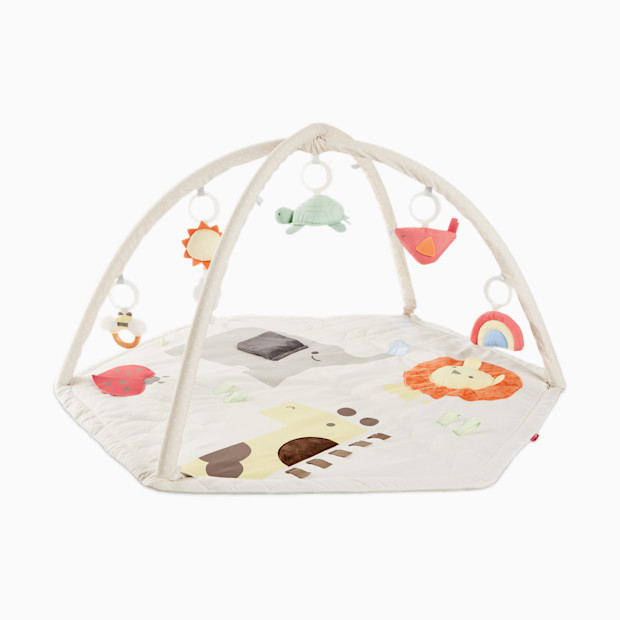
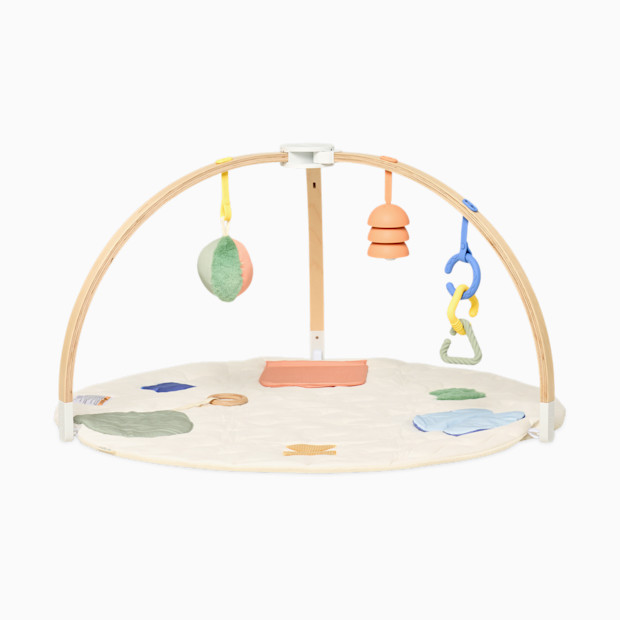
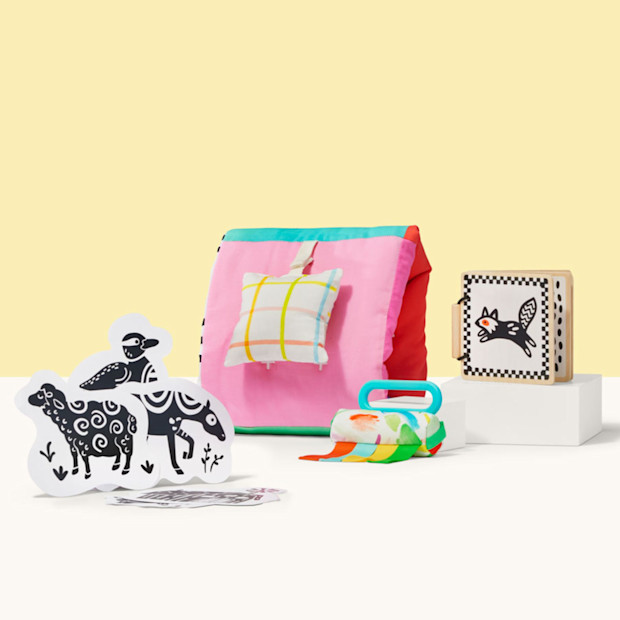
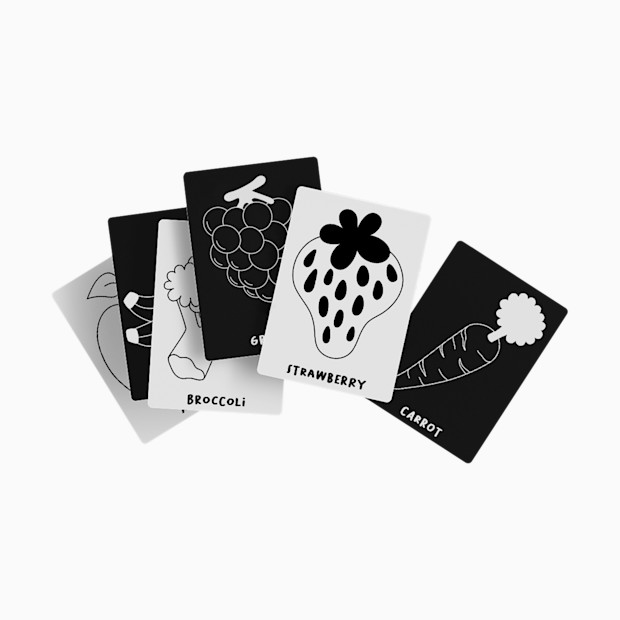
Between 0-2 months, your baby will start holding their head up and noticing things in their surroundings. A play gym is the perfect spot for them to work on neck, core and arm strength during tummy time and also observe the world around them. A few simple, high-contrast toys are a bonus for stimulating visual development.

Best Toys for Hand-Eye Coordination
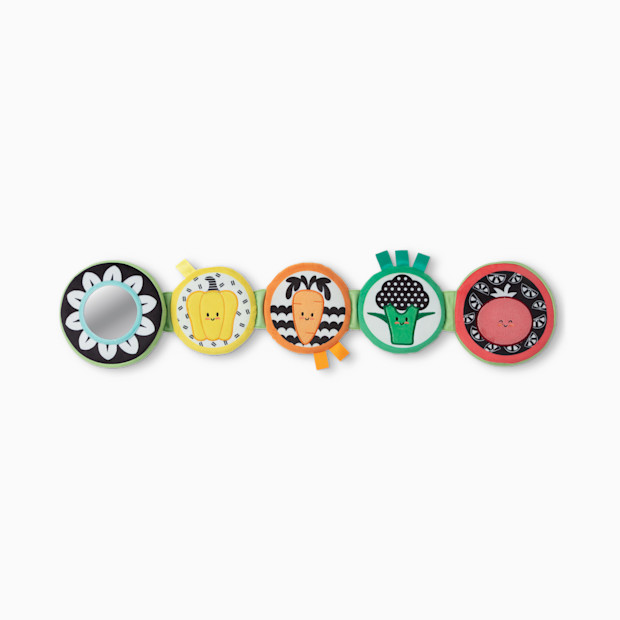
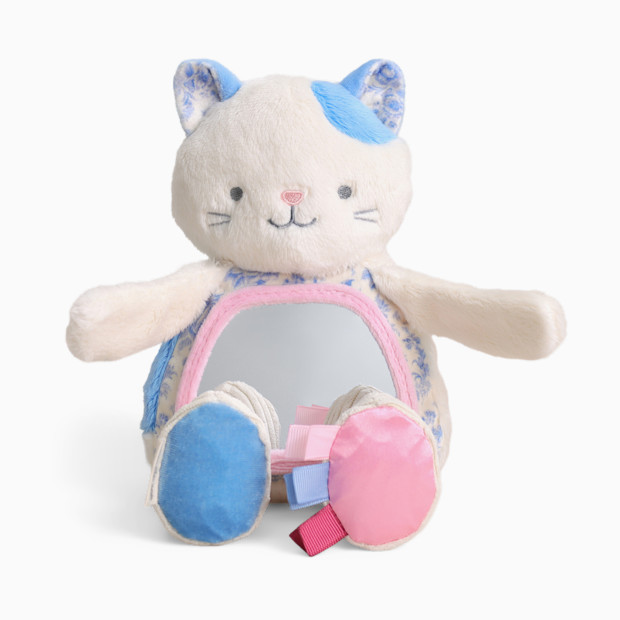
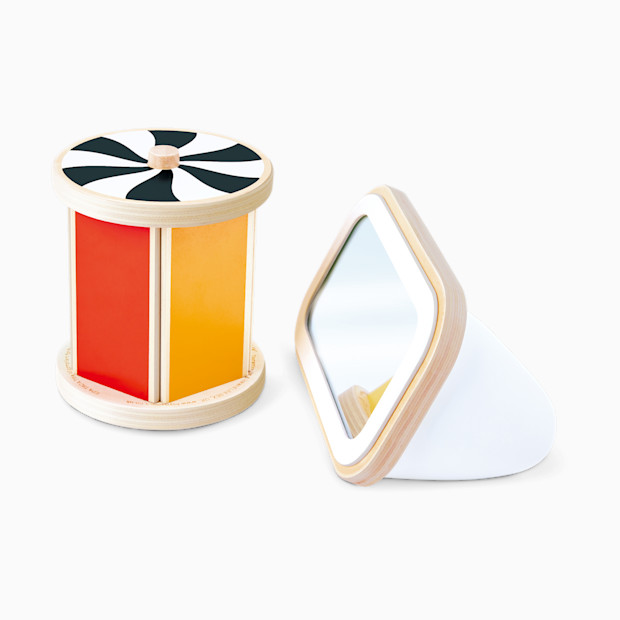
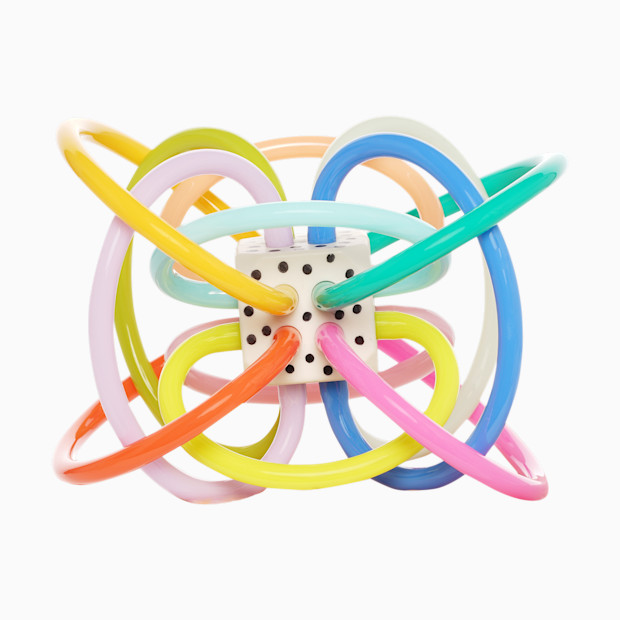
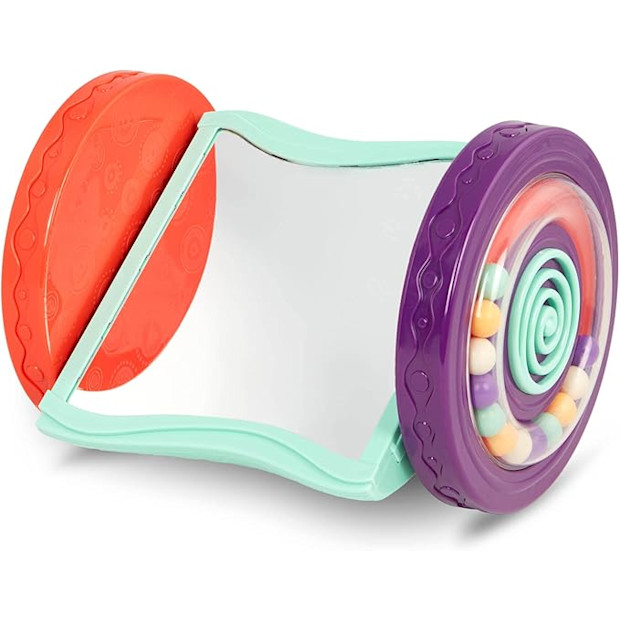
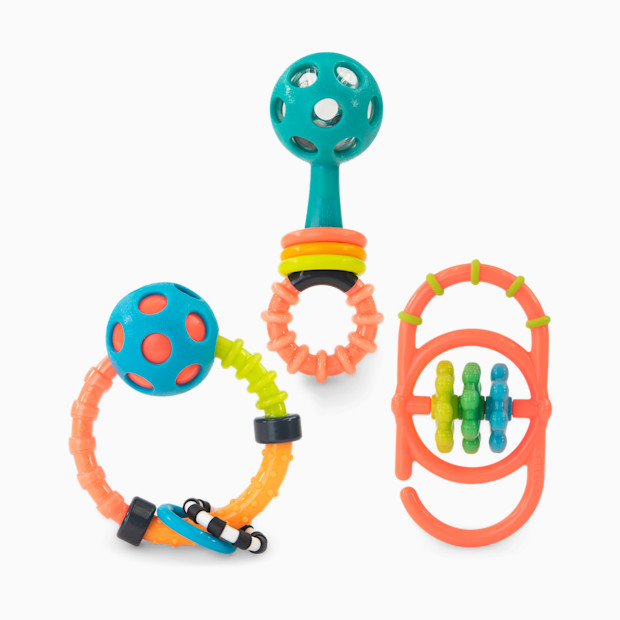
As babies begin noticing their hands, reaching for objects and holding toys, lightweight rattles, teethers, mirrors and activity toys give them a safe way to practice. The best options are easy for small hands to grasp and offer an appealing mix of color, texture, movement or gentle sound. Choose toys your baby can explore in more than one way as their coordination develops.




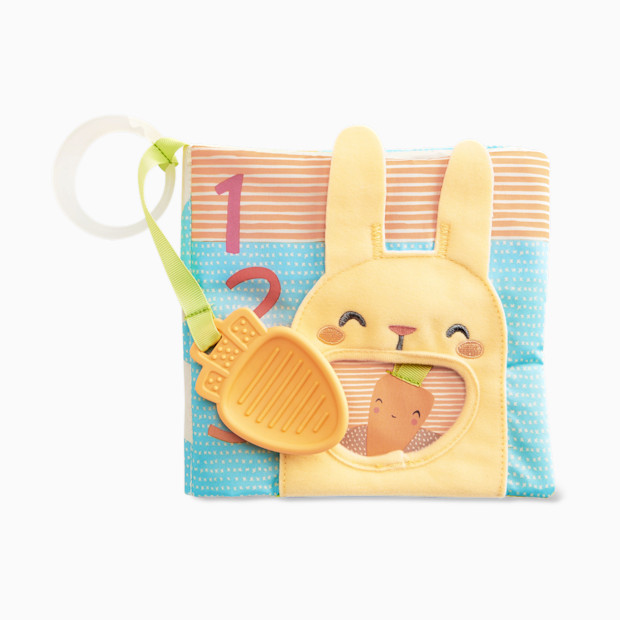
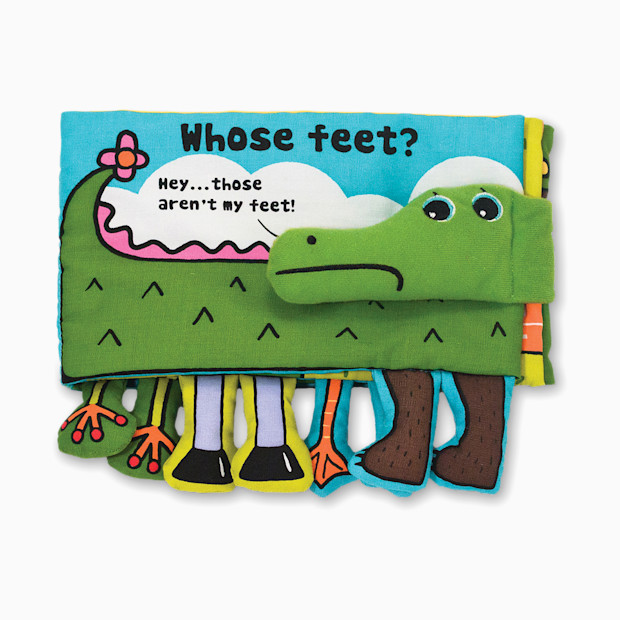
Best Soft Books for Young Babies
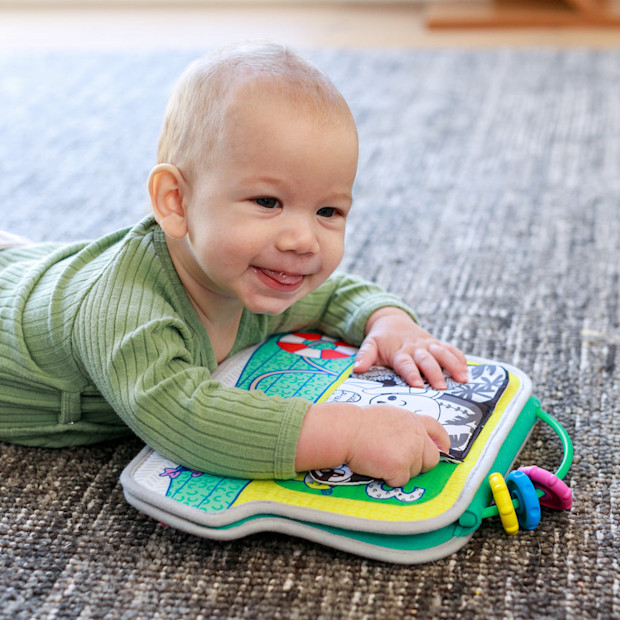
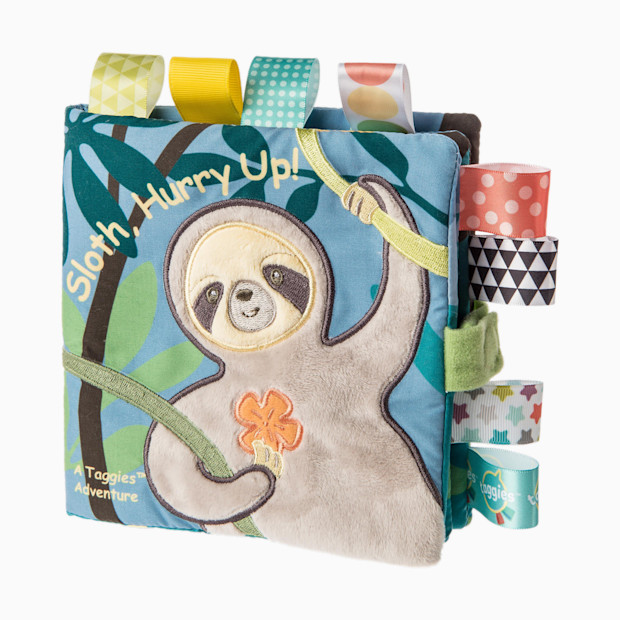
Soft books introduce babies to pictures, words, colors and textures in a format they can safely grab, squeeze and mouth. Crinkle sounds, high-contrast illustrations, mirrors and textured details add sensory interest, while reading together supports early language development and connection. Since these books are likely to end up in your baby’s mouth, prioritize durable, washable materials and securely attached details. It’s never too early to build a bookworm 🤓.

Best Toys for On-the-Go Entertainment
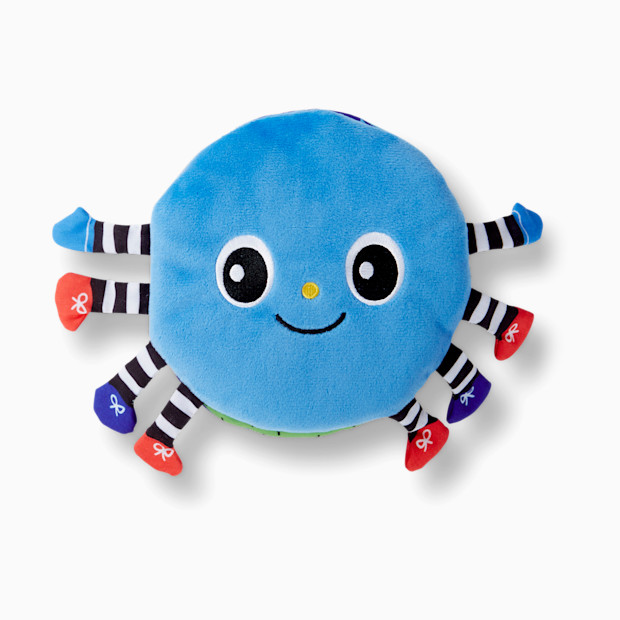
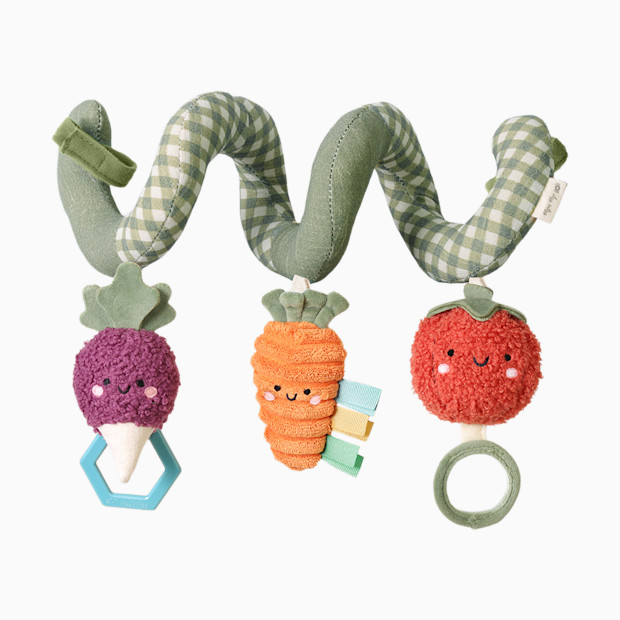
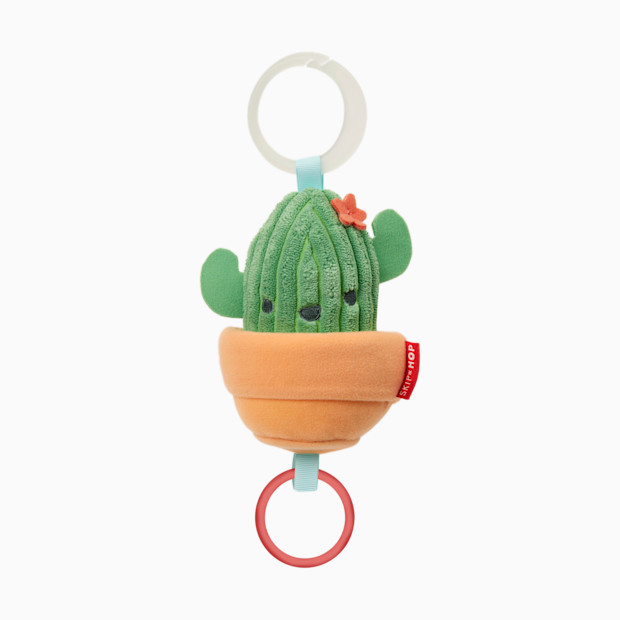
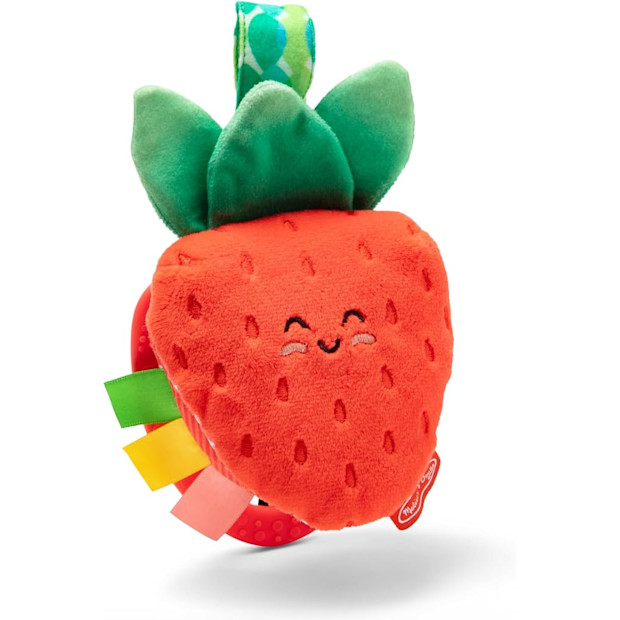
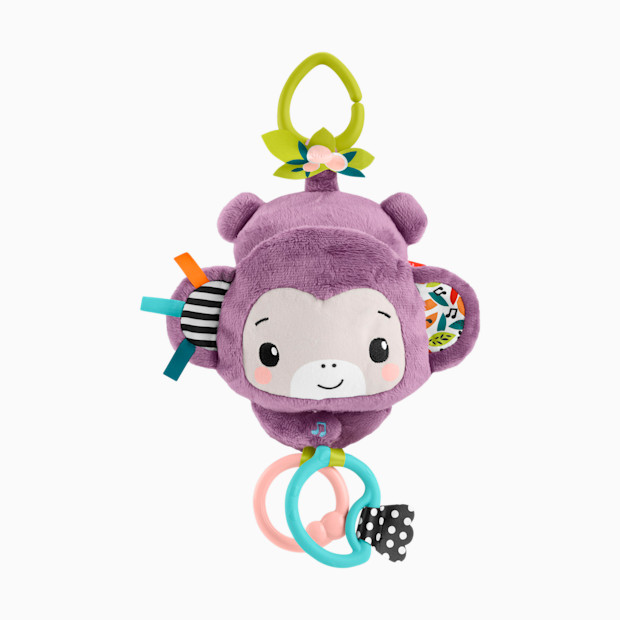
Stroller toys give babies something familiar to look at, touch and reach for while you’re away from home. Compact toys with contrasting colors, varied textures, mirrors or gentle sounds can keep little hands busy, and an attachment loop helps prevent them from repeatedly landing on the ground. Only attach toys to an infant car seat when it’s connected to a stroller, and remove them before using the seat in the car.


What Pediatric Experts Say About Safe Toys for Babies
According to Dr. Karen Klawitter, a board-certified pediatrician with over 25 years of experience, safety and developmental appropriateness should go hand in hand when choosing toys. “Large toys with no small parts, made from non-toxic materials and with secure battery compartments are essential,” she says.
Toy packaging isn’t always the most reliable source of safety info—especially when you’re looking at toys from lesser-known brands. “Trust your instincts and your senses,” says Kiara DeWitt, a pediatric neurology RN and lead educator at Cook Children's Medical Center. “If a toy smells off, sheds fibers or has seams that trap moisture, skip it. Washability is just as important as the design.”
No matter which toys end up being favorites, always follow age recommendations, check for small parts and stay updated on recalls. If something doesn’t feel right, trust your gut. And if you're not sure, talk with your healthcare provider or check a trusted source like the Consumer Product Safety Commission (CPSC).
Expert Sources
Babylist uses high-quality subject matter experts to provide accurate and reliable information to our users. Sources for this story include:
Kiara DeWitt, a pediatric neurology RN and lead educator at Cook Children's Medical Center.
Dr. Karen Klawitter is a board-certified pediatrician with 25+ years of experience. She provides virtual care through JustAnswer and Community Health Northwest Florida, is a Fellow of the American Academy of Pediatrics—and a mom of five.

;)
;)
;)
;)
;)
;)
;)
;)
;)
;)
;)
;)
;)
;)
;)
;)
;)
;)
;)
;)
;)
;)
;)
;)
;)
;)
;)
;)
;)