
The Best Baby Food Options for Every Stage: Purées, Pouches & More
Our expert-backed, parent-tested guide to baby food: jars, pouches, organics, subscriptions and snacks for every stage.

By
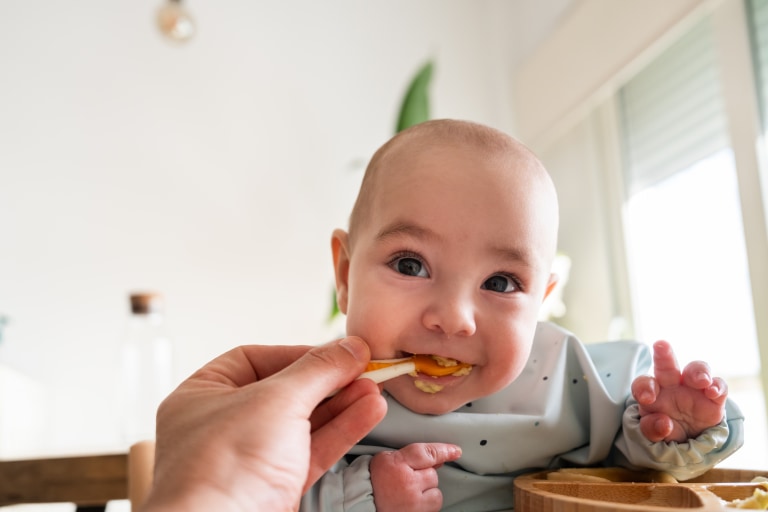
Starting solids is one of the most exciting (and yes, messy) milestones of your baby’s first year. But with so many options on the shelves—jars, pouches, cereals, organics, subscriptions, snacks, it can feel super overwhelming to know where to start. Should you stick with single-ingredient purées? Jump into blends? Try baby-led weaning?
There’s no one “right” way to feed your baby. What matters most is finding foods that fit your baby’s stage, your family’s budget and your comfort level. To help you figure it all out, we talked with a team of experts, pediatric feeding specialists, a pediatrician and a speech-language pathologist. Together, they helped us round up the best baby food options at every stage, plus advice for choosing with confidence.

🍼 Stage 1: Starting Solids
Starting solids is an exciting milestone, but in the beginning it’s all about keeping things simple. Stage 1 baby foods are single-ingredient purées with extra-smooth textures, designed to help babies practice swallowing while letting you spot any potential food sensitivities. Many parents begin with gentle options like oatmeal cereal, sweet potatoes or carrots, then slowly expand to new fruits and veggies. Look for blends with no added sugar or salt, and remember—this stage is more about exploration than nutrition, since breast milk or formula is still your baby’s main source of calories.
Experts say there are three key signs of readiness: your baby can sit up with good head control, they can reach for food and bring it to their mouth and they show interest in what you’re eating. “There’s no single ‘perfect’ first food,” explains Tovah Feehan, a speech-language pathologist, certified lactation counselor, and founder of Pediatric Feeding Partners. “Grains, fruits, veggies [and] proteins are all fine places to start. What matters most is variety.” So you shouldn’t worry too much about the quantity of food your baby is eating at this point.

If you want to start with cereal, this fortified oatmeal is a good choice. It’s enriched with vitamins and minerals but skips unnecessary extras. “Glad this doesn’t have a bunch of junk in it,” one parent said in their review. It also has a creamy texture that mixes smoothly with breast milk or formula.

Smooth, naturally sweet and made with only one ingredient, Beech-Nut’s jarred one-ingredient purées are simple, clean and budget-friendly. “Love Beech-Nut products for my baby. Organic, single ingredient foods and perfect for starting solids. Great way to introduce new foods without having to prepare them yourself,” one parent raved in their review.
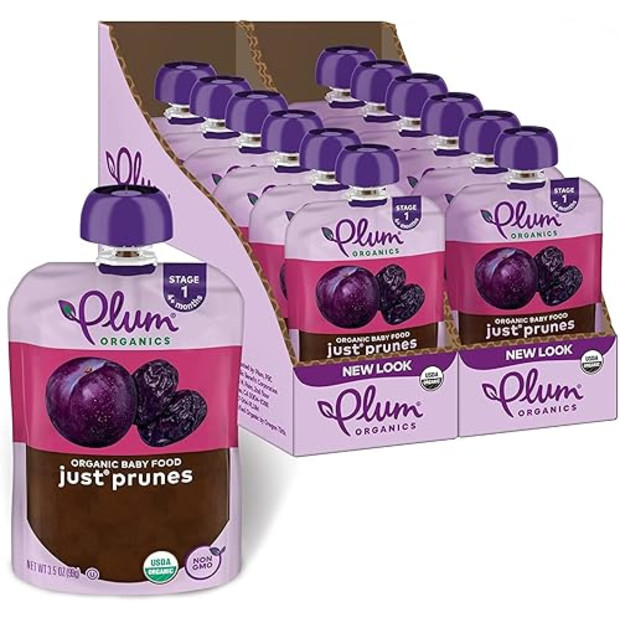
Plum Organics Stage 1 Organic Baby Food, Prune Puree, 3.5 Ounce Pouch (Pack of 12)
From $11.64Prunes are a gentle first fruit and can help keep digestion moving along. Parents appreciate that these are organic and easy to serve on the go. These were a lifesaver when my first baby got constipated—and he actually liked the taste.

Target’s store brand makes first foods affordable without skimping on quality. Their pumpkin purée is USDA organic, smooth in texture and easy to find on your weekly grocery run. One parent shared in their review, “They’re affordable, convenient and something my baby genuinely likes.”

This line of purées is USDA-certified organic and made with ingredients you can actually see through the clear packaging. Parents love the variety of first fruits and veggies to choose from and the clean, straightforward recipes. One reviewer shared, “I tried them myself and they were very good.”
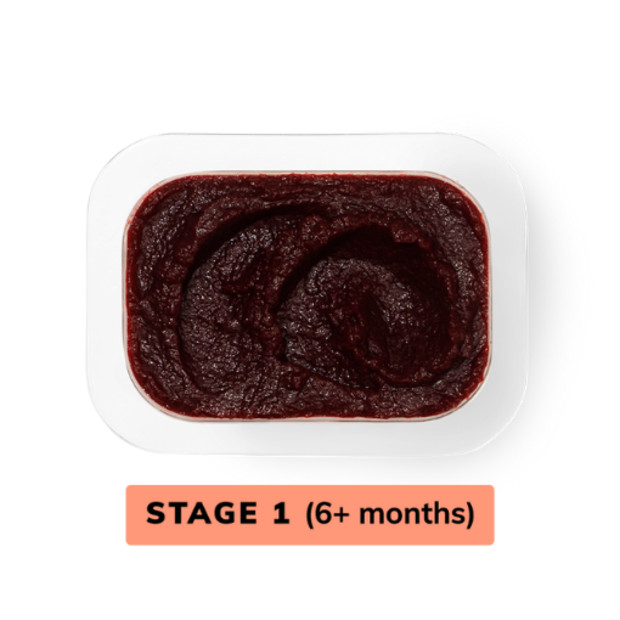
Little Spoon’s Babyblends are fresh purées and made with simple ingredients. Their Stage 1 options (like this vibrant Purple Carrot purée) are single ingredients with smooth textures and designed for first tastes. They’re USDA organic and cold-pressed and arrive straight to your door. You will need to sign up for a Little Spoon subscription, and they’re not the most budget-friendly—starting around at a little over $3 per jar—but offer a fresh and easy way to start solids.
🥕 Stage 2: Blends & Textures
Once your baby has a few single-ingredient foods under their belt (likely around nine months), Stage 2 is the time to mix things up—literally. These blends combine fruits, veggies and sometimes grains or beans, giving your little one new flavors and slightly thicker textures to explore.
“There’s a sensitive window for learning to chew, and it’s easiest if babies are introduced to age-appropriate textures and chewable foods before nine months,” says Feehan. If chewable solids feel intimidating, start small: try a silicone or mesh feeder or gradually thicken purées. Pouches are fine in the mix, too—just balance them with opportunities to practice spoon-feeding and self-feeding. Gina VanDeusen, a speech-language pathologist, feeding and swallowing specialist and myofunctional therapist at Sip Swallow Speech adds, “I am all about moderation. An occasional pouch will not alter your child's overall oral motor development and feeding skills.”
Stage 2 foods help expand their palate, support healthy growth and get them ready for more variety. This is also when many parents start experimenting with pouches for convenience while still keeping an eye on simple ingredients.
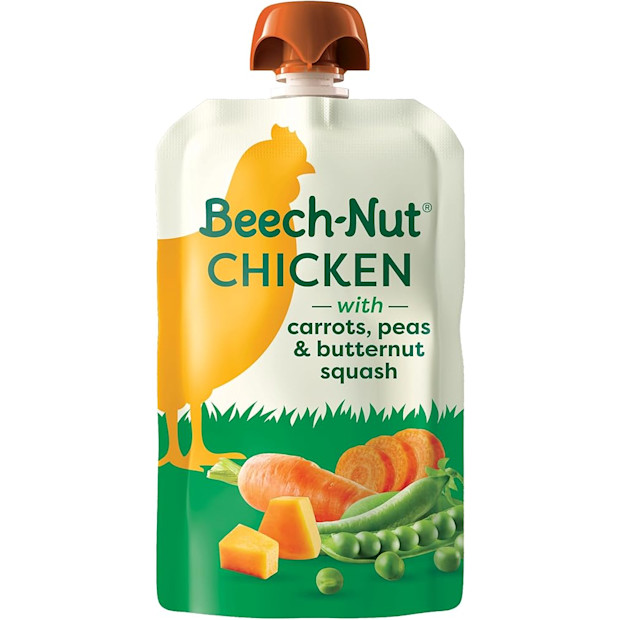
Beech-Nut Chicken Baby Food Pouches with Carrots Peas & Butternut Squash, (12-Pack)
From $27.36Beech-Nut’s Stage 2 line includes protein-packed blends like chicken with veggies, which provide 4g of protein per pouch. Parents say these savory options feel more like “real food” and “help babies get used to complex flavors,” one parent shared. They do have a kind of thicker consistency, which may take some babies a bit to get used to—but that’s part of the process!

Happy Baby Organics Clearly Crafted Stage 2 Apples, Guavas & Beets - 4oz
From $1.79These organic blends mix fruits and veggies in creative, yummy combos—like apples, guavas and beets—that parents love for variety and babies enjoy for taste. “My son really enjoys eating this and it says a lot because he is primarily G tube fed and has a bit of a sensory problem when it comes to feeding, so for him to enjoy the flavor and texture says a lot!” one parent raved.

Gerber is a classic when it comes to baby food, and their Stage 2 tubs do not disappoint. They’re easy to find in stores, affordable and come in a bunch of baby-approved blends. They’re a reliable option for families looking for consistency and easy availability. They’re also a budget-friendly option when you buy the bulk packs, with one parent sharing: “Perfect to buy in bulk and was an excellent value.”
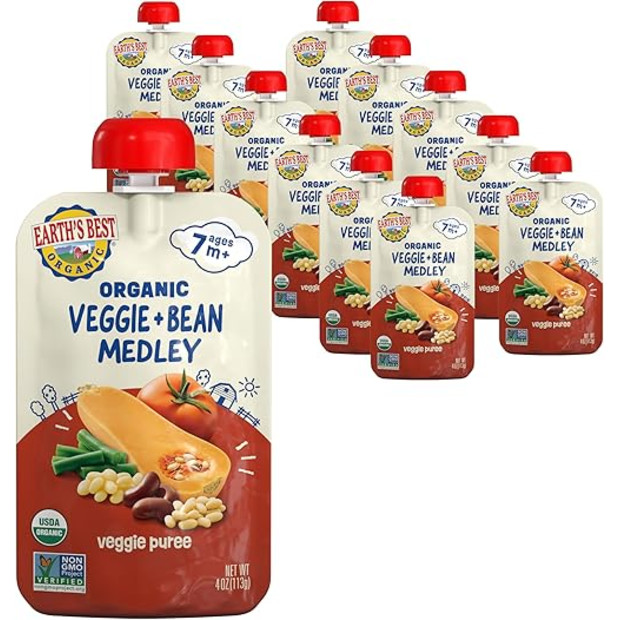
Earth's Best Organic Veggie Puree Veggie + Bean Medley Pouch, 4 oz (12-Pack)
From $27.99USDA organic and available in both jars and pouches, Earth’s Best mixes veggies, beans and grains for balanced nutrition. Parents trust the clean ingredient lists and say the textures are just right for this stage. “Totally organic, sugar-free and very practical because you can take it everywhere and feed your baby anywhere without having to carry his plate and spoon 😅,” one parent shared.

Cerebelly Organic Baby Food Single Pouch Baby Meal - Black Bean Sweet Potato with Avocado and Tomato - 4oz
From $3.59Developed by a neurosurgeon mom, Cerebelly’s pouches include nutrients like iron, zinc and DHA targeted for brain development. Parents like the veggie-forward recipes. “I love that it’s packed with nutrients and veggies, but still tastes great—even for a picky eater. It has a smooth texture, clean ingredients and no weird aftertaste,” one parent said. One thing to note: They’re definitely on the pricier side (about $1 per ounce), but a nice option to offer your baby once in a while. You can sign up for a subscription (which will save you around 15 percent) to ensure you never run out.

Happy Baby Nutty Blends Organic Bananas & Almond Butter Baby Food Pouch - 3oz
From $1.51Aside from choking, the risk of allergies is one of the most stressful parts of starting solids. These pouches from Happy Baby’s Nutty Blends line combine fruits with nut butters (like banana + peanut butter, apple + walnut and pear + cashew) to help introduce common allergens safely.
“The perfect way to introduce nuts to baby! My baby isn’t a fan of pureé or anything similar…and usually doesn’t ever finish a whole pouch of anything, but these are smaller, making the portion great for introducing allergens,” one parent explained. Just be sure to get the okay from your baby’s doctor before you start offering common allergens. Feehan says, “Research shows that offering common food allergens early and often can actually help lower a baby’s risk of developing food allergies. Premade pouches are one way to introduce peanut or tree nuts, but there are plenty of simple options you may already have at home.”

Target’s organic line keeps prices low while offering simple blends like pear + green beans. Families on a budget say they appreciate the balance of affordability and quality. One parent shared, “They're priced really well for organic baby food. Highly recommend stocking up!”
🍲 Stage 3: Meals & Variety
By Stage 3 (around nine to 12 months) your baby is becoming a more confident eater and ready for chunkier blends that more closely resemble table food. These meals often include a mix of fruits, veggies, grains and proteins, giving your little one extra nutrients while helping them practice chewing and self-feeding skills. VanDeusen explains, “We ideally want to focus on chewing soft solids and eventually regular solids to support optimal oral motor development, [and] optimal dental development and healthy airways from an early age.”
This stage is about variety—introducing new textures and flavors to keep picky eating at bay—while still offering foods that appropriately matched to your baby’s skills and development. Think of it as the bridge between purées and finger foods. But it’s worth remembering that “Stage 3” is more of a label than a developmental milestone, according to Feehan. “Your baby’s biting and chewing skills will progress as they gain more practice with different textures, whether it’s store-bought baby food or parts of the family meal,” she adds.
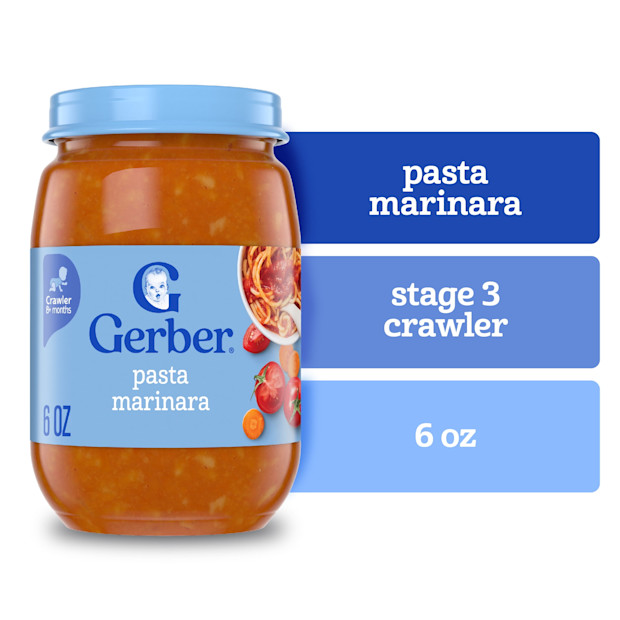
Gerber’s Stage 3 line offers heartier textures with small bits of grains, veggies and fruit to help babies practice chewing. Parents also say it’s an affordable way to transition toward table food. “My son loved everything about this baby food! He definitely liked that this baby food has actual pieces of food and more texture for him to chew, versus just purée,” one parent shared in their review.

Serenity Kids Coconut Curry with Free Range Chicken and Organic Vegetables Baby Food Pouch - 3.5oz
From $3.99It’s never too early to introduce your little one to a little seasoning (excluding salt, that is). This adventurous line features globally inspired flavors like Coconut Curry with free-range chicken and organic veggies. Parents like that it’s both organic and protein-rich. “When we purchased this flavor I was a bit nervous it would be too gourmet for her.... NOPE! She drank this pouch down in less than one minute! I tried it myself and was surprised at how delicious it was. I would seriously use this pouch as a sauce on my own meals, it was THAT good!” one parent raved in their review. Serenity Kids does flavor introduction really well. Most of their pouch options also contain meat as a protein source. Serenity Kids offers subscription options on their website, too.
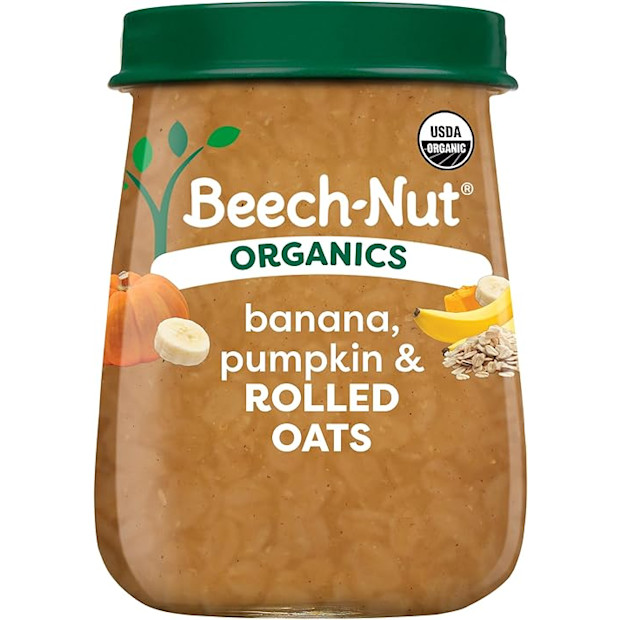
Beech-Nut Organic Banana Pumpkin & Rolled Oats Puree, Stage 3 Baby Food 4oz (10-Pack)
From $14.80If you like Beech-Nut jars during stages 1 and 2, they also make a Stage 3 option to keep the party going. These jars are budget-friendly, USDA organic and widely available in grocery stores. Families appreciate the non-GMO ingredients and simple recipes. One parent noted in their review, “It was a good transition from one food to including more oats and additional foods. Every time I ordered this my son ate it and even licked the jar, he loved it so much!”
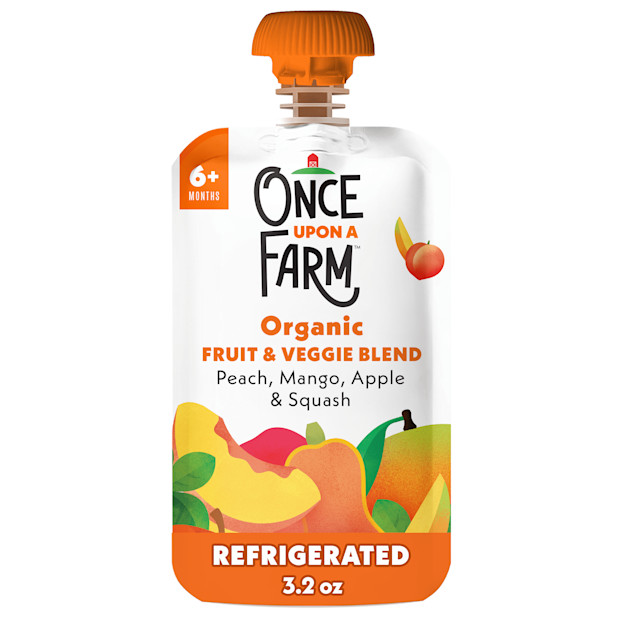
Once Upon a Farm Organic Fruit Veggie Blend Peach Mango Apple Squash with Basil, 3.2oz Pouch
From $2.25Once Upon a Farm’s line of organic baby food is cold-pressed to lock in flavor and nutrients, with blends like peach, mango, apple and squash with basil. Parents say these pouches taste fresh and closer to homemade than shelf-stable options.Unlike most of the other baby food in this guide, Once Upon a Farm pouches do need refrigeration (the brand now offers handy coolers for on-the-go.) “I feel good giving them to [my son] knowing they are full of yummy goodness. He will pick these out over other pouches I buy, so I know they are good!,” one parent said. You can also sign up for a subscription.
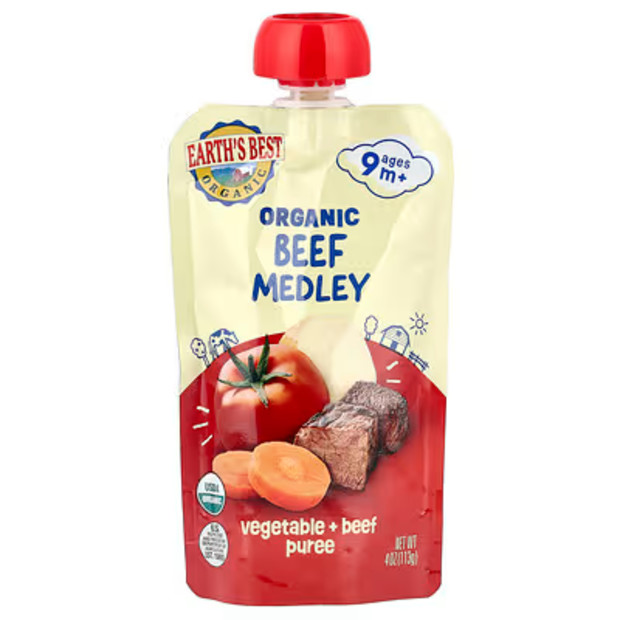
Earth's Best Organic Beef Medley Protein & Veggie Puree 4 oz Pouch
From $1.98Part of Earth’s Best Stage 3 line, this Beef Medley combines organic beef with hearty vegetables for a protein-packed meal. Parents like that it’s USDA organic and introduces more savory flavors at this stage. “It feels like a real dinner in baby form—my little one gobbled it up,” one parent said.
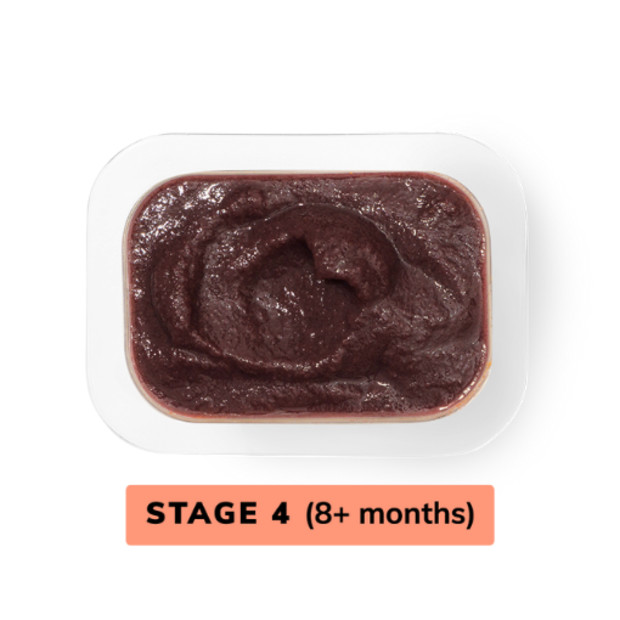
Little Spoon Baby Blends Stage 3 - Pear, Blueberry, Chickpea, Spinach + Rosemary
From $3.32Stage 3 Baby Blends from Little Spoon add more adventurous flavors and textures, like this mix of pear, blueberry, chickpea, spinach and rosemary. They’re thicker, more meal-like purées that help bridge the gap between smooth blends and table food. As mentioned earlier, you will need to set up a Little Spoon subscription if you want to try this option.
Best Baby Snacks & Finger Foods
By the time your baby is starting to self-feed, snacks and finger foods can be a fun way to build independence, practice pincer grasp and soothe sore gums. Hand and mouth skills develop together, and snacks can play a role in that progress. “Early on, babies use their whole hand to grab food, which makes stick-shaped smushable foods easier for them to handle,” says Feehan. “Around nine to ten months, many babies develop the pincer grasp and are ready to pick up smaller pieces.”
Most baby snacks are designed to melt quickly in little mouths for safety, but always supervise your little one while they eat. VanDeusen recommends parents try these kinds of snacks out themselves to see how meltable they are. She also says they do offer some developmental benefit: “[They’re] a great way to help your child work towards progressing to regular solid foods and help work on important feeding skills including tongue movement to manage the food, munching and chewing.”
Teething Wafers
These snacks are safe for younger eaters (some as early as six months) since they dissolve easily and are easy to hold.
These long, oval-shaped wafers dissolve easily and are designed to soothe sore gums while giving babies something to hold and gnaw on.
With a ring shape that’s easy to hold, Gerber’s version gives babies a larger snack to grip and chew.
Puffs
Puffs are often a first finger food around seven to eight months, once baby can pick up small pieces.
The classic first finger food, Gerber Puffs dissolve quickly and come in a range of flavors from peach to sweet potato.
Once Upon a Farm Fruit and Veggie Puffs Strawberry Sweet Potato & Coconut Baby Snacks
From $3.99Made with real fruits and veggies and lightly sweetened with coconut, these organic puffs are a nutrient-packed twist on the classic baby snack.
Serenity Kids Organic Cassava Broccoli & Spinach Baby Veggie Puffs - 1.5 Oz, (6-Pack)
From $39.44Made without rice or corn, these veggie-based puffs are protein-rich and allergen-friendly.
Yogurt Melts
These are usually introduced around eight months and up, when baby is practicing their pincer grasp.
A longtime parent favorite, these bite-sized snacks melt in seconds and come in fruity flavors.
Happy Baby Organics Greek Yogis Freeze-Dried Greek Yogurt and Fruit Snacks, Strawberry Banana
From $4.00Made with organic yogurt and fruit, Happy Baby’s version skips artificial flavors and colors. Parents like the clean ingredients and variety of flavors.
Once Upon a Farm Organic Smooth Melts Baby Snacks, Tropical Greens - 1oz
From $3.89These freeze-dried yogurt melts blend tropical fruits with leafy greens for a sweet, melt-in-the-mouth snack packed with organic goodness.
Why Trust Babylist?
Babylist is the expert in baby; we know baby gear inside and out. We talk with parents face-to-face in our showroom and on our user panels and hear from thousands annually via our Best Baby Products online survey. We know what items millions of expecting parents are adding to their baby registries.
Firsthand professional and personal experience. I’m Babylist’s associate editor and a mom of two with firsthand experience navigating the transition to solids. I’ve spent a lot of time researching the what, when and how of feeding babies. Jen LaBracio, Babylist’s senior gear editor, is the original author of this guide and has a decade of experience in the world of baby products. She’s also a parent of two young boys, and I leaned on her expert insights and initial research for this piece.
Expert POV. We consulted a team of experts for this guide, including Dr. Tracey Agnese, a board-certified pediatrician based in New York City; Gina VanDeusen, MA, CCC-SLP, a speech-language pathologist, feeding and swallowing specialist, and myofunctional therapist at Sip Swallow Speech; and Tovah Feehan, MS, CCC-SLP, CLC, a speech-language pathologist, certified lactation counselor, and founder of Pediatric Feeding Partners. We also spoke with Jenny Best, founder of Solid Starts and the First Foods Database, and Molly Birnbaum, Editor in Chief of America’s Test Kitchen Kids and author of The Complete Baby and Toddler Cookbook.
Feedback and reviews. In addition to consulting experts, we looked closely at what real parents had to say. We sifted through thousands of reviews to see which baby foods families actually loved and which ones babies happily ate. Parents consistently highlighted factors like taste, texture, availability and price. Their firsthand experiences helped us separate the “just okay” options from the ones worth adding to your cart.
How to Choose Baby Food
When you’re standing in the baby food aisle (or scrolling online), here are a few things to keep in mind:
Age and stage matters. Start with Stage 1 (single-ingredient purees) around 4–6 months, then move to Stage 2 blends and Stage 3 chunkier meals as your baby grows.
Check ingredients. Look for simple, recognizable foods with no added sugar or salt, both of which the Center for Disease Control and American Academy of Pediatrics recommends limiting. “But don’t panic if your little one sneaks a cookie at a party or shares a salty fry with you on a night out. What matters most is your everyday routine. Try setting aside your baby’s portion before adding salt or sugar to the meal and using other seasonings to add flavor,” Feehan explains.
Organic optional. Organic baby food can reduce pesticide exposure, but both organic and non-organic foods can contain naturally occurring heavy metals. Variety is more important than labels.
Texture progression. Go from smooth → thicker → chunkier to match your baby’s readiness and chewing skills.
Budget and convenience. Jars, pouches, subscriptions and homemade all work—choose what fits your family’s lifestyle.
Watch for allergens. Look for products (like nut blends or egg-based meals) that can help safely introduce common allergens.
Remember: every baby develops differently. As Feehan mentioned earlier, look for signs of readiness like being able to sit unassisted, showing interest in food and practicing chewing motions before offering snacks. “And one extra tip: I always recommend parents take an infant CPR course for peace of mind as babies learn to eat,” she adds. Familiarize yourself with the signs of choking versus gagging, and what to do in the event of choking.
Toxic Heavy Metals in Baby Food
In 2021, a congressional investigation revealed that leading baby food manufacturers were selling products with detectable levels of heavy metals. Understandably, headlines like these cause worry for parents—but experts stress it’s important to keep perspective.
“Every few years a report comes out about toxins in baby foods,” says Dr. Tracey Agnese, a pediatrician in New York City. “While I certainly agree that it’s important to monitor such levels for the safety of our children, the information presented often causes a lot of unnecessary fear for parents who are trying to do their best.”
The truth is that heavy metals occur naturally in the soil, water and air where food is grown. This means both baby food and “adult” foods—organic or not—can contain them.
“If your child is eating any food at all, they will be exposed to heavy metals and toxins. That’s because the soil, water and air of the earth, where the food grows, contains these substances. That’s how it gets into food. And kids need to eat food,” explains Dr. Agnese.
Organic vs. Non-Organic
Dr. Agnese says that organic foods may use fewer pesticides, but they’re still grown in the same soil and water, so they’re not immune to heavy metals. And while the congressional report looked at processed baby food, the same can be true for homemade purees or fresh carrots from your fridge.
What Parents Can Do
Experts recommend focusing on variety and making a few simple adjustments:
Limit rice cereals and rice-based snacks. If you do serve rice, rinse it thoroughly before cooking.
Be mindful with certain fish. Some varieties (like tuna and swordfish) are higher in mercury.
Serve a variety of foods. Rotate fruits, veggies, proteins, grains and fats to avoid overexposure to any one source.
“The bottom line is that kids need to eat food. And variety is key,” says Dr. Agnese.
Balancing Risk and Nutrition
“For most foods, the nutritional benefit will outweigh the risk,” says Jenny Best, founder of Solid Starts. “The biggest impact you can make in reducing your baby’s exposure to heavy metals from food is to limit processed rice products like rice cereal and baby crackers. The majority of these products are also unnecessary; babies don’t need rice cereal to start solids nor do they need things like meltable crackers or puffs.” Best also reminds parents that “baby food” as a separate category is relatively new—and not always essential.
“Babies don’t need ‘baby’ applesauce; regular applesauce is fine! So are cooked apples. Babies can eat regular yogurt, cheese, oatmeal, grains and meats just like we can.”
In fact, there’s no research proving that purées are required as a first food. Babies can start with purées or with soft, appropriately prepared table foods—what matters most is giving them the opportunity to practice eating.
“There is no evidence-based research demonstrating the need for baby food nor is there any evidence that babies developmentally need purées as their first food.”
And don’t forget that the goal of starting solids for the first six months is about the skill of learning to eat, not how much they’re eating (remember breast milk or formula should be their primary source of nutrition until they’re one).
“What matters is getting ample opportunity to practice the skills of eating. Babies don’t need fancy superfood pouches; they need to practice holding a banana by themselves, to learn how to take a bite, to move that piece around in their mouth, chew, and to swallow. So cut open an avocado and peel a banana and call it dinner. The kids will be alright.
Frequently Asked Questions About Baby Food
When Should You Start Baby Food?
By around six months of age, babies need solid food in addition to breast milk or formula for growth and nutrition, says Dr. Agnese. “Solids are usually started between four and six months of age when the infant is developmentally ready. Your baby is probably ready for solids when they are able to sit up with support, have good head and neck control, and show interest in your food while you’re eating (watches you eat, opens mouth and leans forward when food is offered),” she says.
If your baby spits out the food or refuses to eat it, they’re probably not ready yet, so wait and try again in a week, reassures Dr. Agnese.
How do you start baby food?
According to Dr. Agnese, it’s best to start offering solid food when baby is awake and alert, and ideally when they’re not too hungry or too full.
“Have your baby sitting up safely with support and offer food with a spoon. Try once per day at first, and stop feeding when they’re showing signs they’re done (leaning back, turning away, spitting it out).”
What are the best first foods for babies?
Although infant cereals were traditionally one of the first recommended solid foods for babies (because of the bland taste and added iron), pediatricians now say it’s totally fine to start with cereal or jump right to vegetables, fruits and meats as first foods.
“I usually recommend starting with any single ingredient vegetable or fruit purée—avocado, butternut squash, sweet potatoes, carrots or peas are all good choices,” says Dr. Agnese. You can add formula or breast milk to these first foods when you’re starting out in order to reach a texture that’s good for your baby.
Foods to avoid in infants younger than one year of age include:
Choking hazards (think round, hard objects like nuts, popcorn and grapes);
Honey (due to the risk of infant botulism);
Foods with added sugar or salt, such as juice (herbs and spices are great, though); and
Unmodified cow’s milk (but full fat yogurts and cheeses are perfectly fine).
As for allergens, while pediatricians previously recommended avoiding highly allergenic foods early on, Dr. Agnese points to new research that shows early exposure actually helps decrease the risk of food allergies. Things like eggs, fish, peanuts and tree nuts may be introduced to infants at four to six months, she says, as long as the choking hazards are addressed and you’ve already made your way through some other solid foods first.
What is the best baby food?
Figuring out which baby food is best for you and for your little one comes down to a lot of factors, including things like ingredients, availability, taste and cost. But there are a few other things to keep in mind when choosing a baby food, according to Dr. Agnese.
Read labels. Try to stick to baby food where the ingredients are just that—real food. (Water is okay too.) Herbs and spices are great, but you’ll want to avoid things like corn syrup, sugars and salt.
Choose oats over rice. If you decide to give your little one infant cereal, go with an oat-based cereal instead of a rice-based one, and try to offer a variety of other grains, too, like wheat or barley. That’s because rice can contain arsenic, and you’ll want to limit your little one’s exposure as much as possible.
Go BPA-free. Choose baby food in BPA-free packaging whenever possible.
Tackling Babies & Picky Eating
And what about trying to avoid the dreaded picky eater?
“I wish there were a magic answer on how to guarantee raising a healthy kid who loves to eat a wide variety of foods,” says Molly Birnbaum, America’s Test Kitchen Kids Editor in Chief and author of The Complete Baby and Toddler Cookbook. Although it depends on so many factors, there are definitely a few things you can do to set the stage, whether you’re making your own food at home or using store-bought baby food.
Cook and eat together. “Cooking and eating together allows you to model healthy eating—but more importantly it allows you to show your kid(s) that eating a variety of healthy foods is fun!” she says.
Eat a variety of foods. “Introducing kids at a young age to a variety of flavors, textures and colors will help set the stage for more adventurous eating down the line. If you’re feeding a baby purées, it’s a great idea to add different spices or herbs or other flavorings. For toddlers, I love to offer the element of choice in meals.”
Eat foods that taste good. Simple, but an important reminder!
What if my baby has feeding challenges?
Although every baby develops at their own pace, sometimes feeding can feel harder than expected. There are a few signs that may suggest your little one could benefit from extra support. VanDeusen explains:, “Difficulty with texture progression, gagging or minimal interest in self-feeding may signal that your child needs extra support. Early intervention can make mealtimes less stressful and help your child build confidence with eating.”
Here are a few more signs she says to look out for:
Difficulty moving beyond purées (staying on them for a long time)
Distress about getting messy during meals
Frequent coughing, gagging or vomiting while eating
Spitting more food out than they consume
Trouble biting or chewing foods
Showing little interest in self-feeding
If you notice several of these challenges, it doesn’t necessarily mean something is “wrong,” but it may be helpful to check in with a feeding specialist for guidance.
Expert Sources
Dr. Tracey Agnese, a board-certified pediatrician based in New York City.
Jenny Best, Founder of Solid Starts and the First Foods database.
Molly Birnbaum, America’s Test Kitchen Kids Editor in Chief and author of The Complete Baby and Toddler Cookbook.
Tovah Feehan, MS, CCC-SLP, CLC, a speech-language pathologist, certified lactation counselor and founder of Pediatric Feeding Partners.
Gina VanDeusen, MA, CCC-SLP, a speech-language pathologist, feeding and swallowing specialist and myofunctional therapist at Sip Swallow Speech.
