
Your 45-Week-Old Baby
Moving beyond purées? Here's how to introduce chunkier textures, what foods work best, and why this milestone matters.

By
Your baby has been exploring solid foods for a few months now, and if you started with purées or very soft foods, they're probably ready for something with a little more texture.
Around 45 weeks, many babies can handle chunkier foods—soft pieces they can pick up, bite into and chew (yes, even without a full set of teeth). This progression isn't just about variety at meal time; it's about building the oral motor skills that support speech, sensory development and confident eating down the road.
We talked to Dana Cole, a speech-language pathologist (SLP), Gina VanDeusen, SLP and feeding and swallowing specialist feeding and swallowing specialist and Dr. Chris Klunk, a board-certified neonatologist at Pediatrix Medical Group, about what textures are appropriate at this age, why texture progression matters and how to introduce new foods safely without the stress.
🚼 Baby’s Development
What textures your baby can handle now
If you're wondering whether your baby is ready for chunkier foods, here's a simple test: if you can easily squish it between your fingers, your baby can likely manage it.
Dana Cole, a speech-language pathologist, explains that babies at this stage can handle soft, squishable foods like ripe avocado and roasted sweet potato, soft strips for self-feeding like toast with spread or omelet strips, naturally tender proteins like shredded chicken or flaky fish and mixed textures like yogurt with soft chunks.
What's happening developmentally is that your baby is learning to move food side-to-side in their mouth and beginning early chewing patterns—even before their molars come in. Gina VanDeusen, a feeding and swallowing specialist, explains that around 9-12 months, babies are developing jaw stability and the ability to move their tongue separately from their jaw for improved coordination and sensory awareness. This means your baby is ready to pick up smaller pieces of food and work on those early chewing skills.
Some good bridge foods to try include bite-sized toast, banana pieces, soft scrambled eggs, well-cooked pasta, steamed diced vegetables and slightly firmer fruits like ripe pear. The key is offering foods that are soft enough to be safe but textured enough to give your baby something to practice with.
Why texture progression matters
Offering your baby a variety of textures isn't just about expanding their menu—it's about supporting important developmental skills that go far beyond mealtime.
VanDeusen explains that texture variety helps babies learn how foods taste, smell and feel while building their comfort and confidence. It also supports oral motor development by improving tongue mobility, jaw stability and munching patterns.
Chewing plays a crucial role in physical development too. "Healthy, well-developed jaws and facial muscles support optimal airway health, dental alignment, speech development and overall function and well-being," VanDeusen says.
Cole adds that texture progression builds chewing skills, supports speech development (the same muscles used for chewing are used later for speech), improves sensory acceptance to reduce the risk of picky eating and prevents feeding delays.
There's also a developmental window to keep in mind. VanDeusen points to research showing that babies learn to chew most successfully when soft and chewable foods are introduced between six to eight months. "If chewable foods aren't started until closer to nine months of age, it is suggested that the baby misses this critical window making it a bit more challenging to learn how to chew and manage solids."
The takeaway: texture progression supports your baby's mouth, jaw, speech and eating confidence—all of which develop together during this stage.
The difference between gagging and choking
One of the biggest fears parents have when introducing chunkier textures is the risk of choking. But here's some reassurance: gagging is common, normal and actually protective. And it's not the same as choking.
Dr. Klunk explains how to tell them apart: "While it may sound scarier, the loud gurgling of gagging means that your little one is still able to move enough air in and out of their lungs to create sound. On the other hand, choking can be silent or sound only like a high-pitched squeak or whine as little to no air is able to move."
The visual signs matter too. With choking, you might notice color change—blue or purple to the face—and a loss of consciousness, which signals an extreme emergency. Gagging, on the other hand, is noisy. Your baby might sputter, cough, turn red and look uncomfortable, but they're still breathing and working to manage the food on their own.
"Gagging followed by them spitting out what they were struggling with and returning to baseline can be a normal part of learning to eat," Dr. Klunk says.
The best ways to keep mealtime safe: always supervise your baby while they're eating, make sure food is appropriately prepared for their age, avoid common choking hazards (like whole grapes, raw carrots or hard chunks) and consider taking an infant CPR class so you're prepared if an emergency does happen.
🛍️ Panic Order
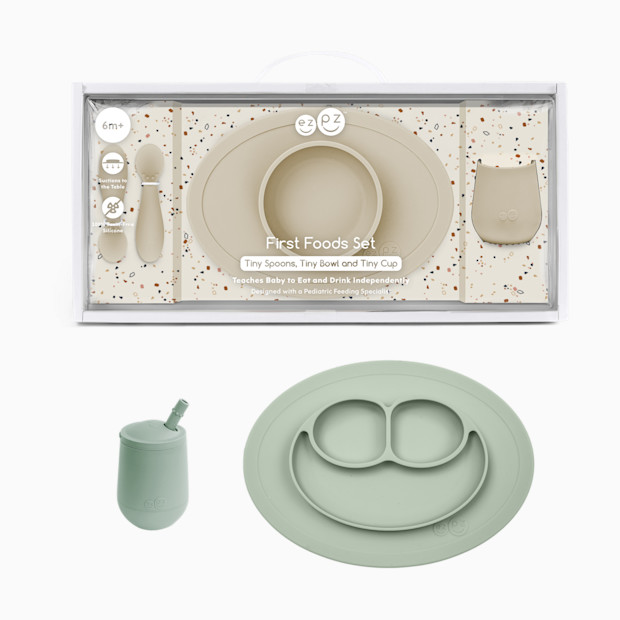
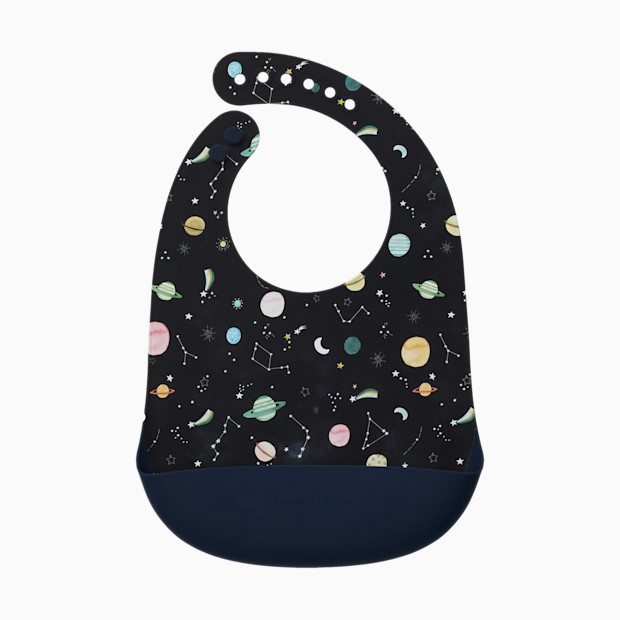
If you haven’t yet, stock up on a bowl and plate or two that’ll stay put while baby practices self-feeding, plus spoons designed specifically to fit tiny hands. And don’t forget a good bib to catch the inevitable mess as they work on their feeding skills.
👀 Looking Ahead
Moving baby to their own room: Your baby is approaching the one-year mark, and you might be wondering about transitioning them to their own room. Next week, we'll cover what the AAP recommends about room-sharing, what safety considerations matter most, and when (or if) it's time to make the move.
Expert Sources
Babylist content uses high-quality subject matter experts to provide accurate and reliable information to our users. Sources for this story include:
Dana Cole, MS, CCC-SLP, TSSLD, speech-language pathologist and founder of Now We’re Talking Speech & Language Therapy
Gina VanDeusen, MA, CCC-SLP, owner and feeding and swallowing specialist at Sip Swallow Speech
Dr. Chris Klunk, board-certified neonatologist at Pediatrix Medical Group

;)
;)