
Eco-Curious? Try These 4 Easy, Low-Lift Swaps for Greener Baby Products
You don’t have to go full crunchy. These small swaps still make a big difference.

By
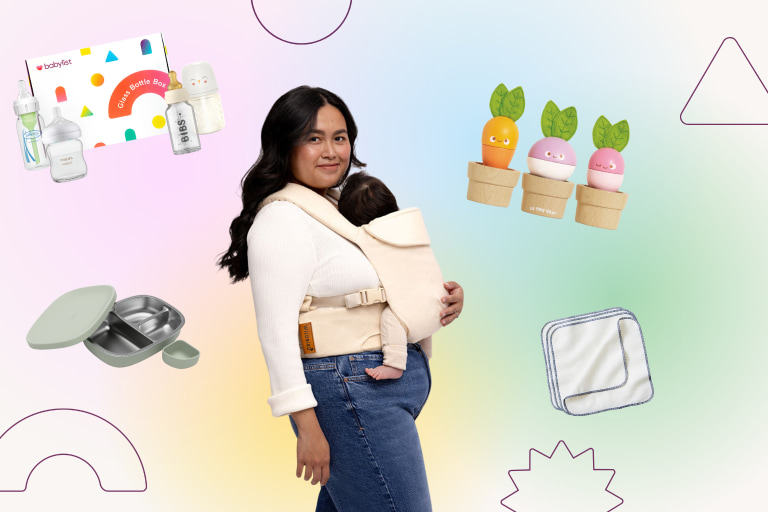
As a person, a parent and Babylist’s gear editor, I’m what I like to call eco-curious. I recycle religiously but haven’t quite committed to composting. I own plenty of wooden toys, but plenty of (loud, flashy) plastic ones, too. And while I really wanted to be a cloth-diapering parent, I just couldn’t get there.
I hear the same sentiment from many Babylist parents, specifically around baby gear. Our annual Most Loved Baby Products survey of 10,000+ parents was filled with eco-friendly product picks like glass bottles and GREENGUARD Gold Certified nursery furniture, car seats and more, but also with a bit of uncertainty; lots of parents said they want to make more eco-conscious choices when it comes to baby gear but were intimidated by all the options, worried about the cost or feel like they don’t have the time to research every little thing.
The good news is going green doesn’t have to mean going all in; it can start with a few small, realistic gear swaps that fit your lifestyle (and your energy level). From glass bottles to reusable wipes, these easy changes are kinder to the planet and surprisingly easy to work into real-life parenting.
Plastic Bottles ➡️ Glass Bottles
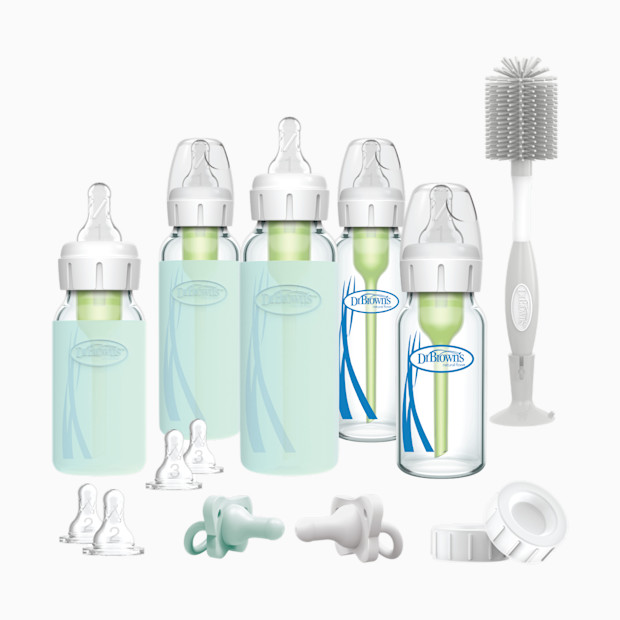
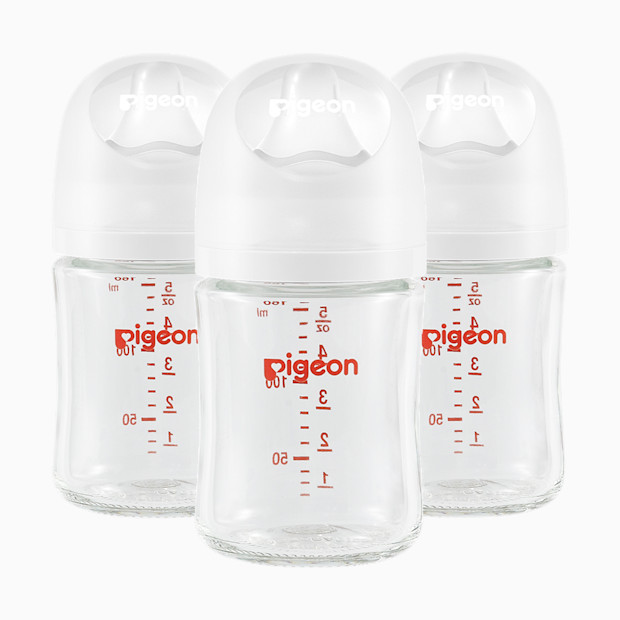
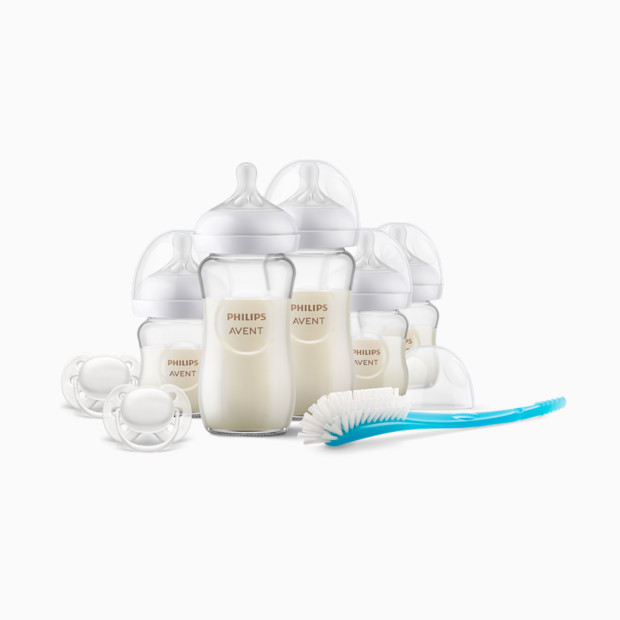
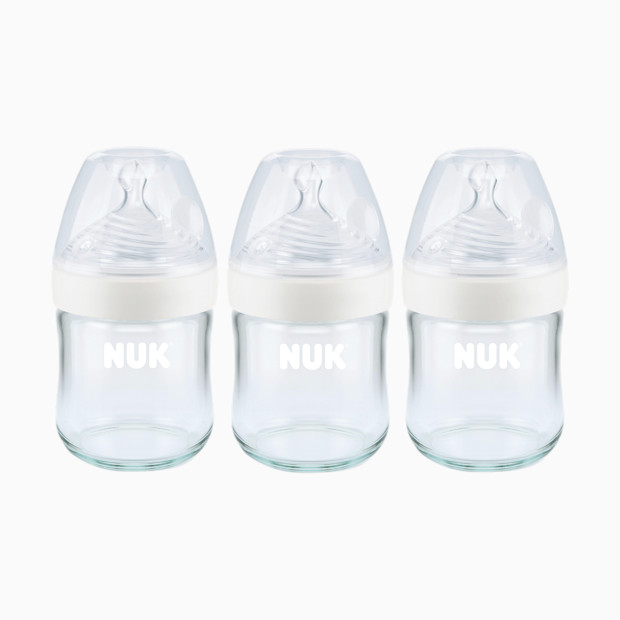
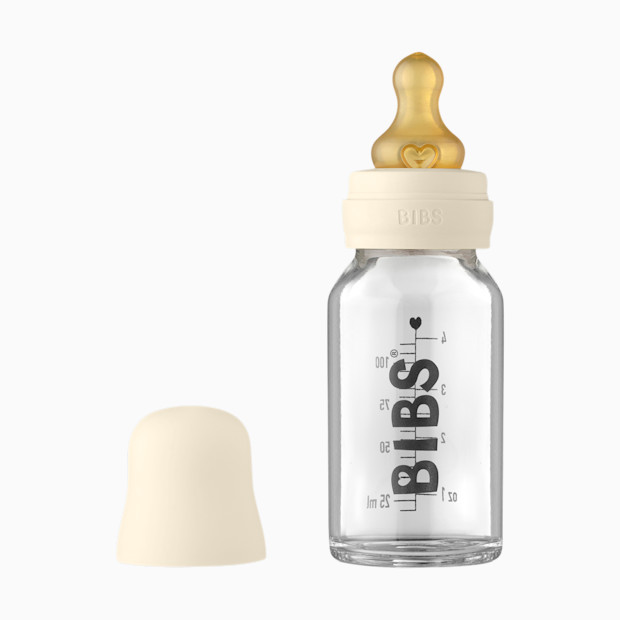
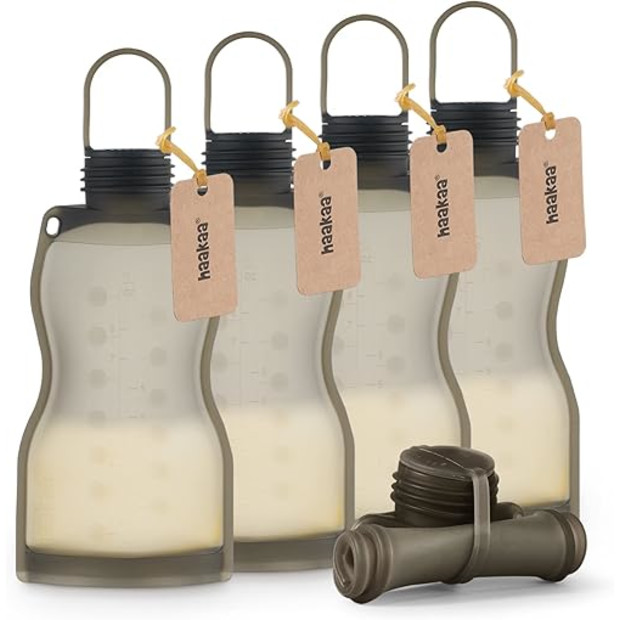
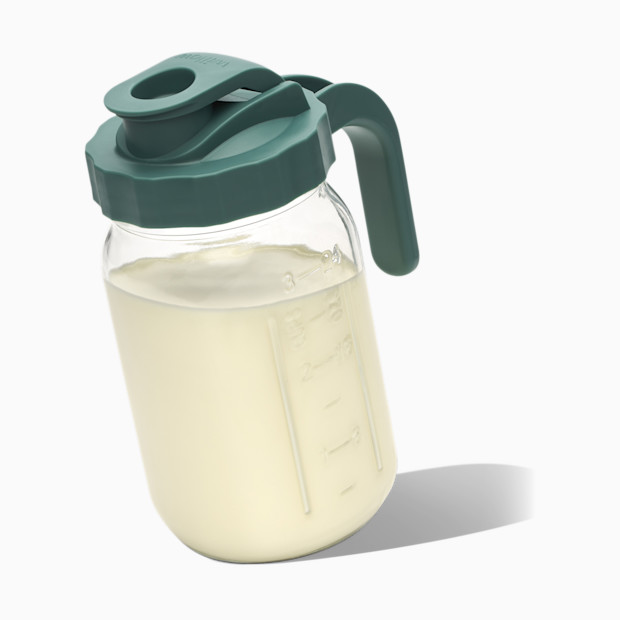
Swapping plastic bottles for glass is one of the easiest, most affordable changes you can make as an eco-curious parent. Plastic bottles are safe, but exposure to heat—like a dishwasher or bottle washer—can cause plastic to break down and release microplastics. Scientists are still studying the effects of microplastics on both humans and the environment, but many parents opt for glass because of this uncertainty. Plastic bottles also don’t biodegrade, and many end up in landfills.
While glass baby bottles aren’t perfect (they’re heavier, pricier and can shatter if dropped), many eco-conscious parents prefer them over plastic. (Nearly half of the 10,000+ Babylist parents we polled in our Most Loved Baby Products survey said glass was their bottle material of choice.)
Glass doesn’t shed chemicals or microplastics, can safely move from fridge to bottle warmer and won’t degrade or hold odors. Plus, it’s fully recyclable.
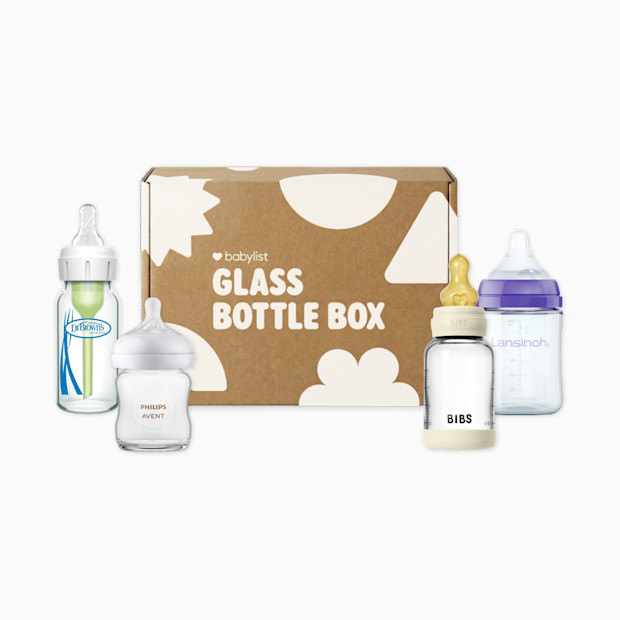
Glass bottles have come a long way, with more brands and price points than ever. If you’re curious, start with one or two before committing—or add the Glass Bottle Box to your registry to test a few different options.
Synthetic Materials ➡️ Natural, Sustainable Materials
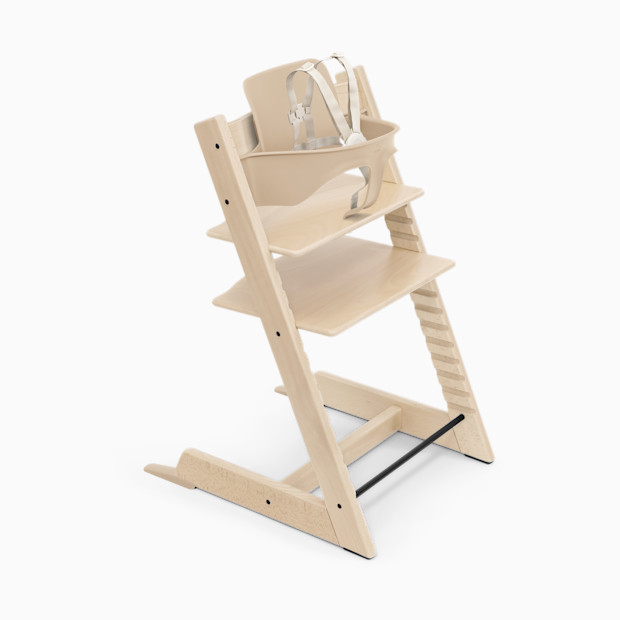
Plastic-to-glass is a great start if you’re an eco-curious parent, but there are plenty of other natural materials to explore across baby gear categories that are easier on the planet and often gentler on your baby, too.
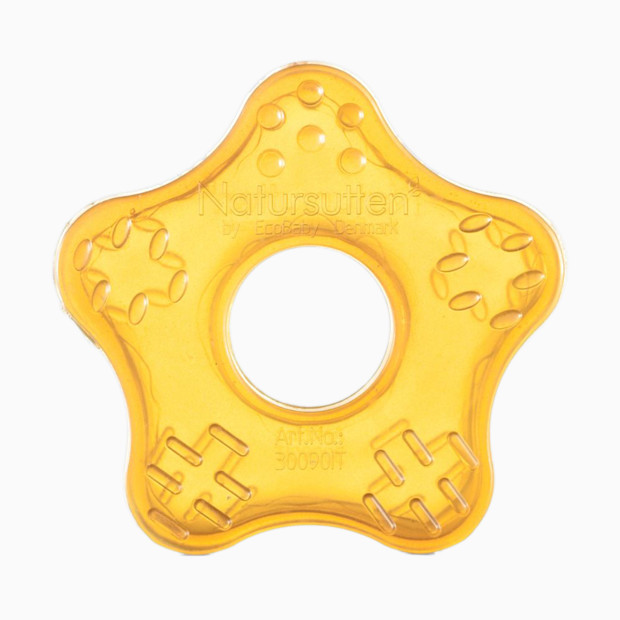
Look for products made from cotton, wool, stainless steel, linen, rubber or certain types of woods. Here are a few simple, low-lift swaps to try:
-
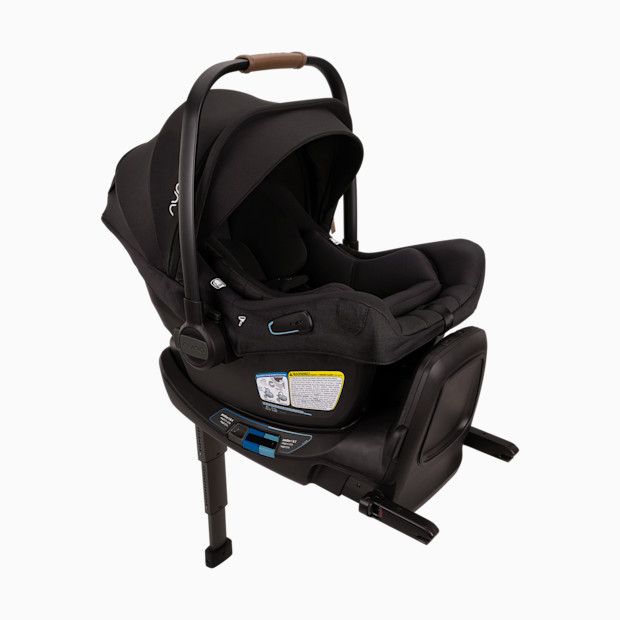
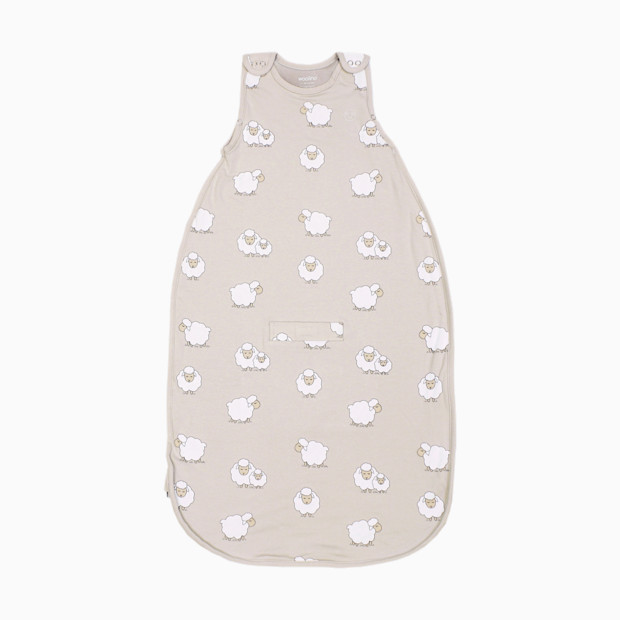
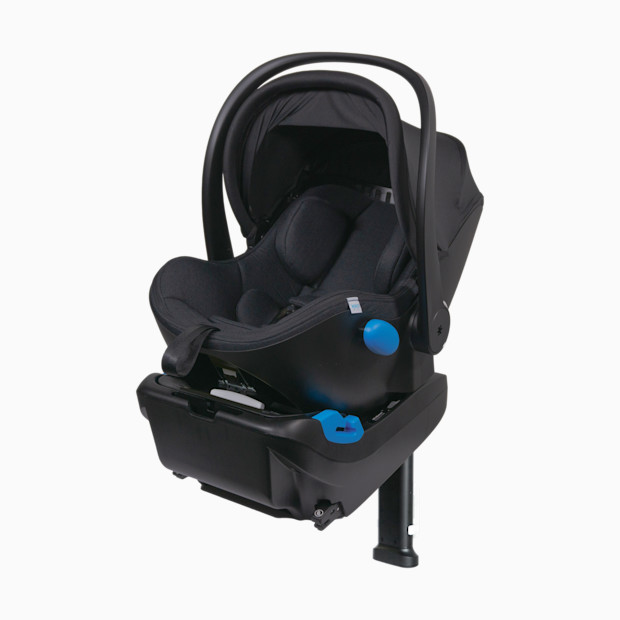
Wool: Naturally flame-resistant, moisture-wicking and great at regulating temperature. Some car seats use wool instead of synthetic fabrics (though they tend to cost more). A wool sleep sack is another great swap—it keeps babies warm in winter and cool in summer.
-
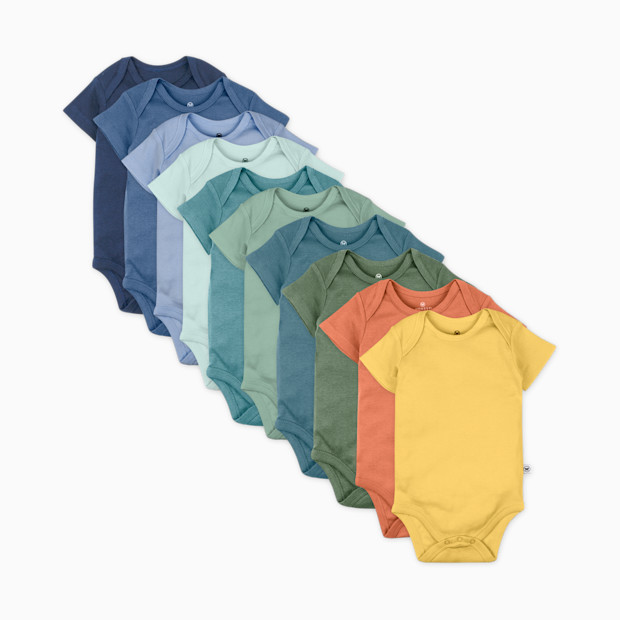
Cotton: Soft, breathable and naturally hypoallergenic. Choose cotton baby clothing over polyester for a more natural option.
-
Linen: Cool, moisture-wicking and softer with every wash. A linen baby carrier is an easy, eco-friendly alternative to one made with synthetic materials.
-
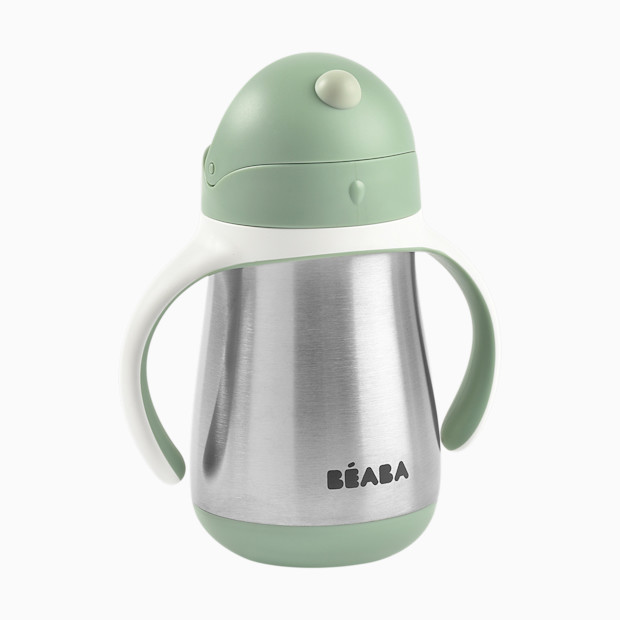
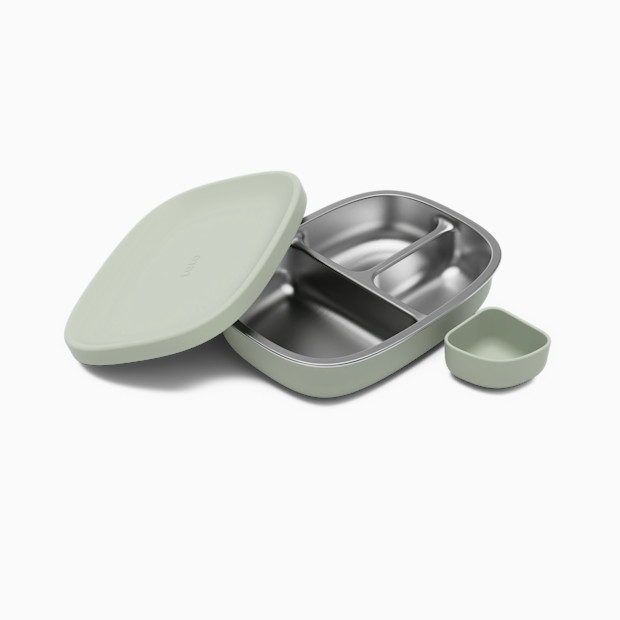
Stainless steel: Durable, dishwasher-safe and resistant to odors, discoloration and chemical leaching. Swap a plastic meal set for a stainless one.
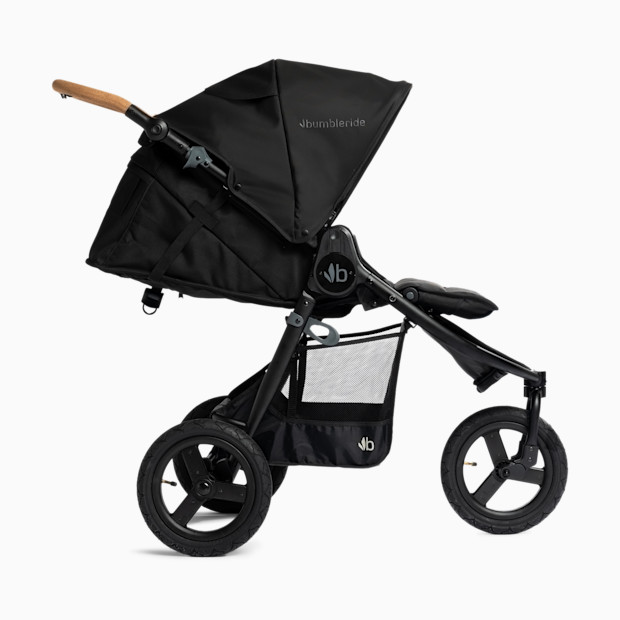
And don’t stress about avoiding plastics altogether—it’s nearly impossible. Instead, opt for products made with recycled materials, like this stroller with a frame crafted from reclaimed fishing nets.



Single-Use Products ➡️ Reusable Products
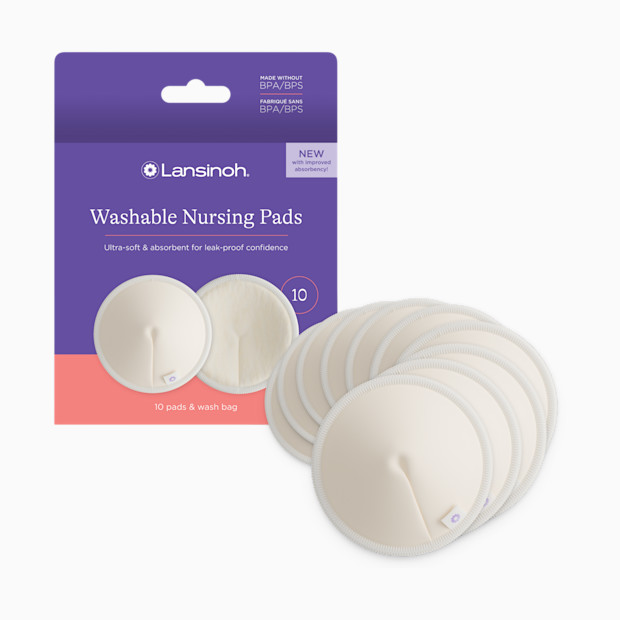
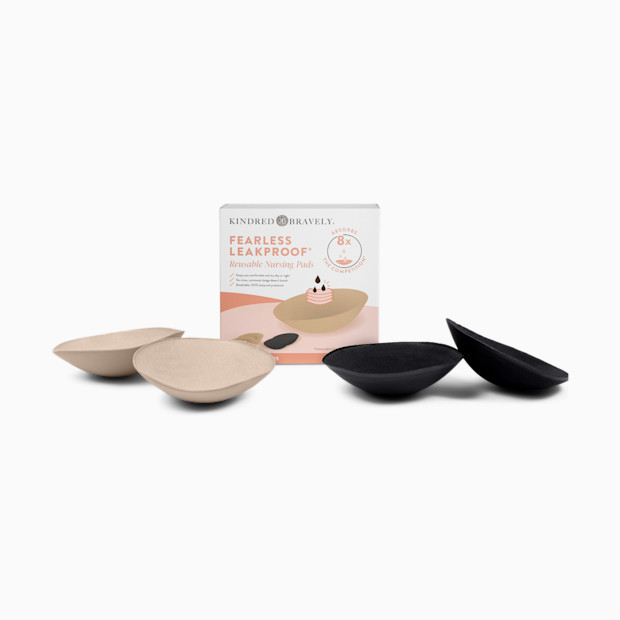
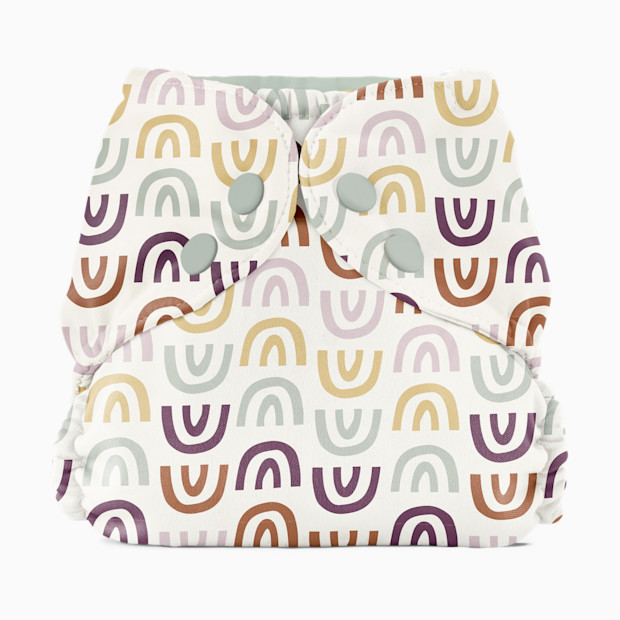
Swapping single-use products for reusable ones is another low-effort way to lean into greener parenting. While something like cloth diapering takes major effort and has a steep learning curve, small changes—like using a reusable swim diaper instead of a disposable one or washable nursing pads in place of single-use pads—can make a real difference.
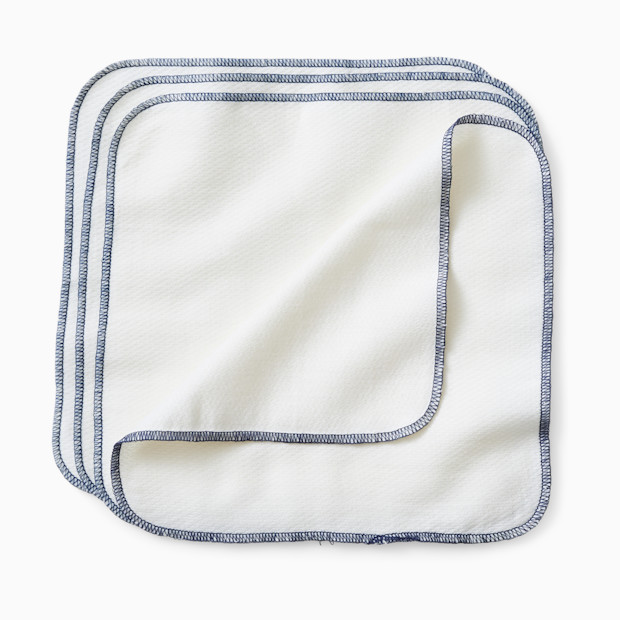
And just like with all the swaps on our list, your eco-friendly efforts don’t have to be all or nothing. You can use washable, reusable baby wipes at home, for example, but disposable wipes for on the go.
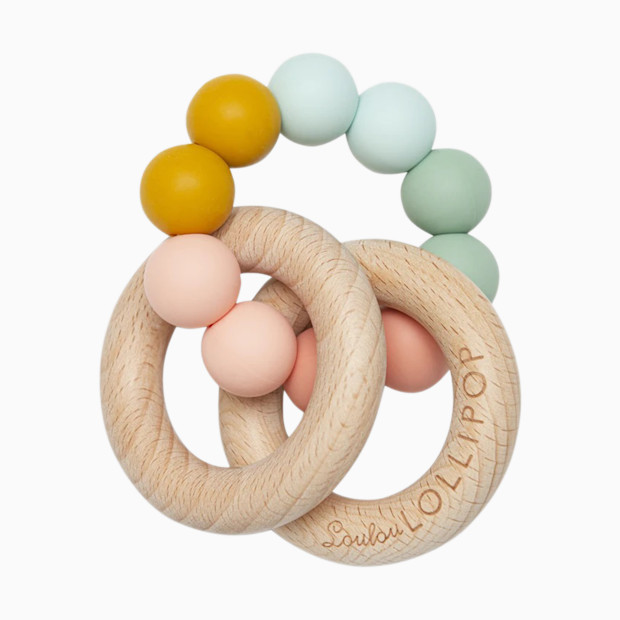
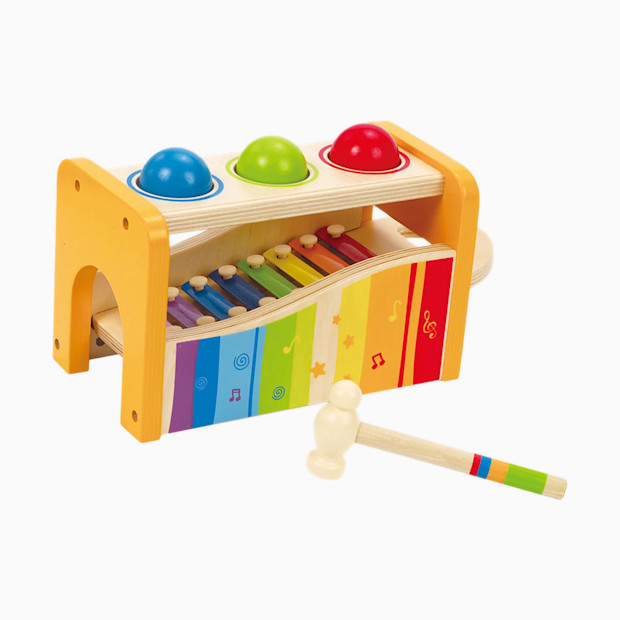
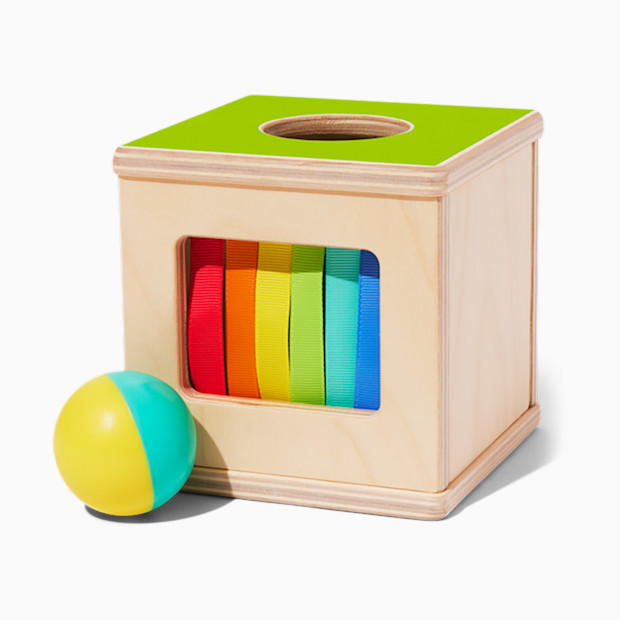
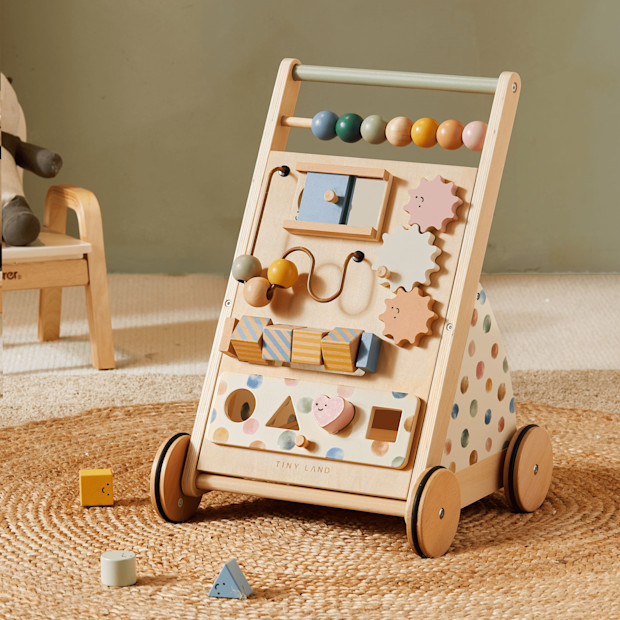
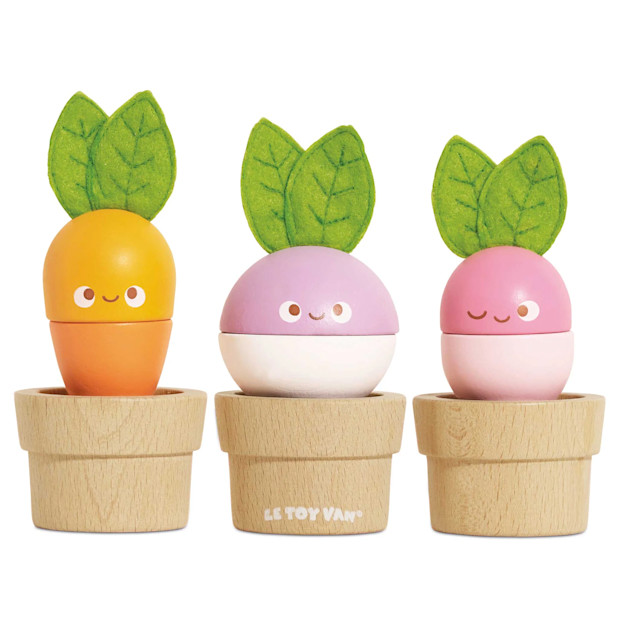
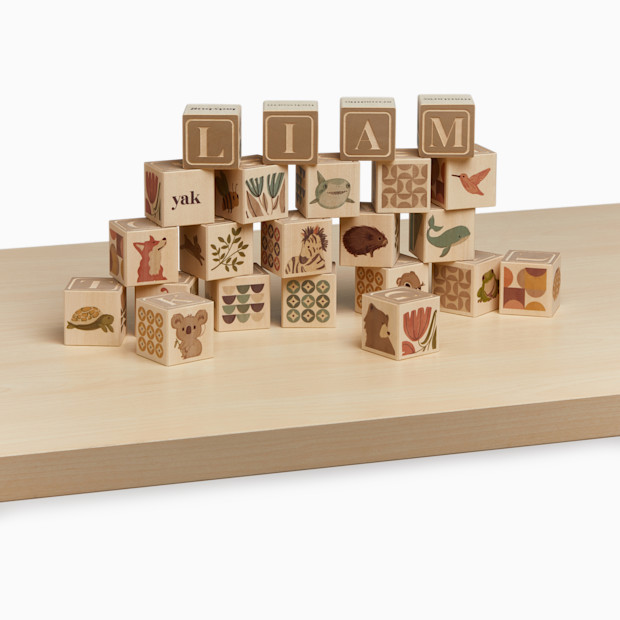
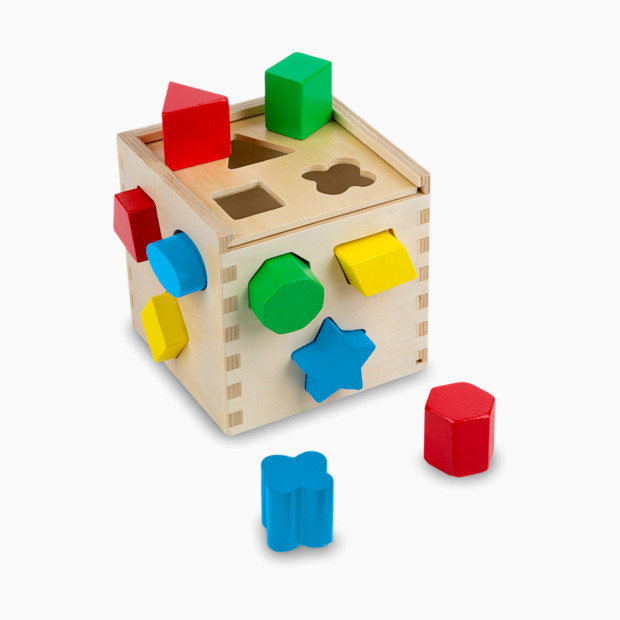
Plastic Toys ➡️ Wooden Toys
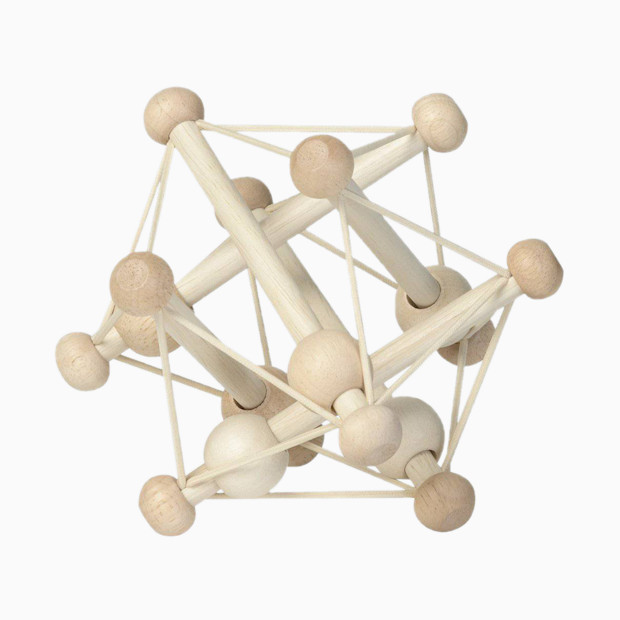
Wooden toys are eco-friendly, sustainable and often non-toxic. And they’re built to last; my preschooler is still playing with almost all of the wooden toys we bought for our now middle schooler over a decade ago.
They’re also not the only toys you have to stock your playroom with. That plastic, loud Kick & Play piano? I dare you to find me a baby who doesn’t love it. As with all things green(er) parenting, you can decide what to prioritize—and what to skip.
;)
;)
;)
;)
;)
;)
;)
;)
;)
","url":"https://www.babylist.com/gp/clek-liing-infant-car-seat/14716/2283356","source":"hello_baby"});)
;)
;)
;)
;)
;)
;)
;)
;)
;)
","url":"https://www.walmart.com/ip/5631554154?selected=true","source":"hello_baby"});)
;)
;)
;)
;)
 + Swim Diaper - Rainbow, Size 1 (7-17 Lbs)","url":"https://www.babylist.com/gp/esembly-recycled-diaper-cover-outer-swim-diaper/22362/1373156","source":"hello_baby"});)
;)
;)
;)
;)
;)
;)
;)
;)