
How to Register For Baby Clothes They’ll Actually Wear
Your future self will thank you for registering this way.

By
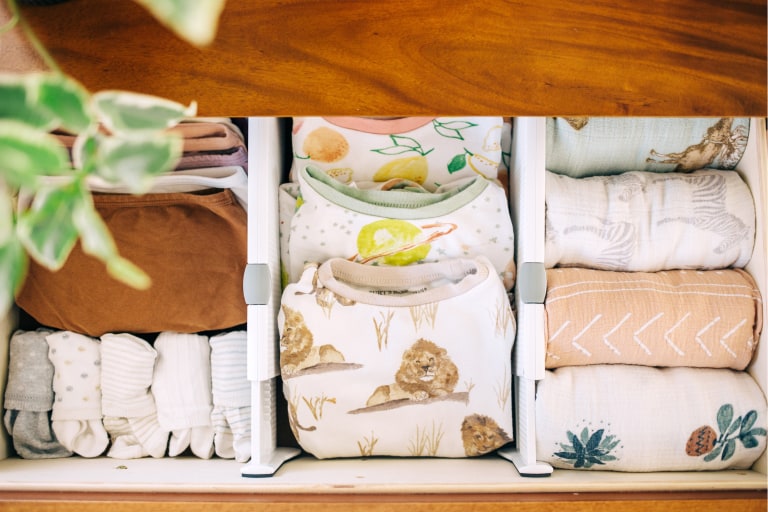
You might be tempted to register for every single tiny outfit, but to make the most of the clothes on your registry, there are a few things you might want to consider: How many pieces in each size do you actually need? What if something you want is out of stock by the time your guests are shopping from your registry? And what are the baby clothes basics every little wardrobe needs?
From sizing and basics to seasonal considerations, here are our tips for registering for the clothes your baby actually needs.
Prioritize Basics
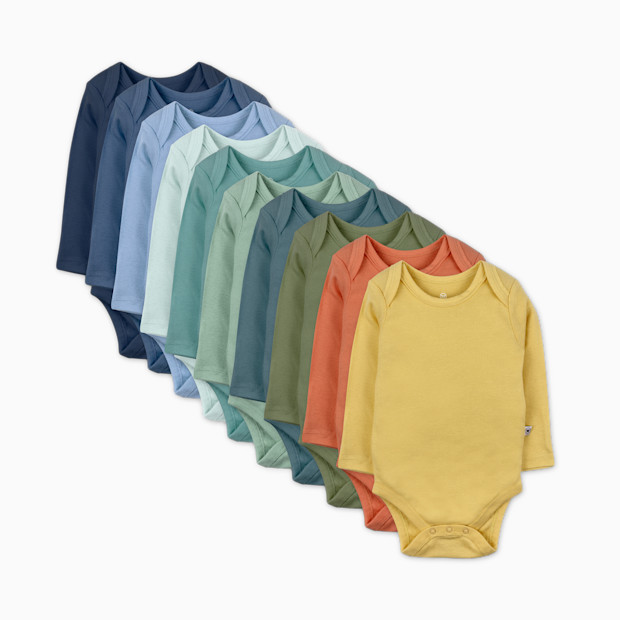
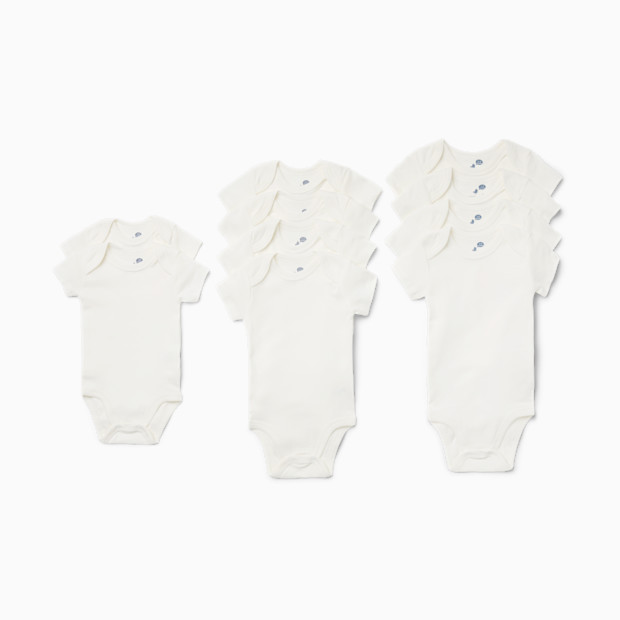
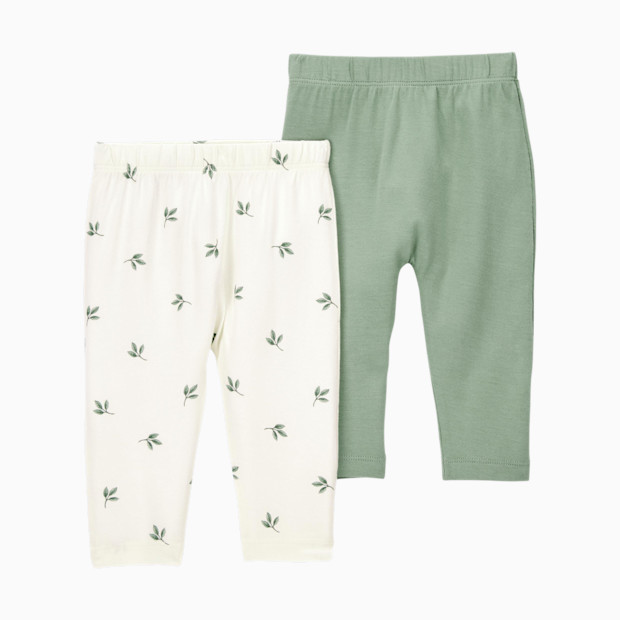
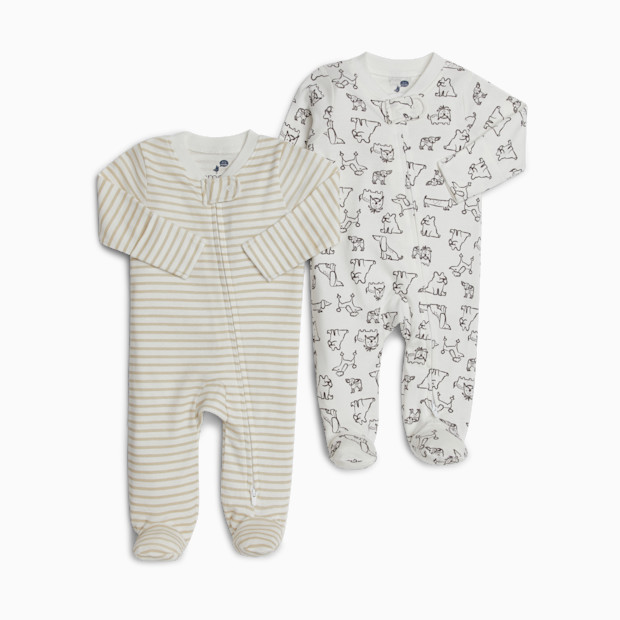
Before you dive into those adorable seasonally- or special occasion-appropriate baby outfits, you’ll want to cover the everyday pieces baby will live in. This includes bodysuits (short and long-sleeved), pants, footies and pajamas. Even better if they’re somewhat neutral and can be mixed and matched for a ton of outfit possibilities.
Brands like Carter’s, Burt’s Bees Baby, H&M, Tiny Kind and Old Navy have great options for covering all the basics of baby clothes, and the patterns and solid colors will never go out of style. We know the tiny dressier or special occasion outfits are irresistable—it’s totally fine to add a few of those, just be sure to do a bit of thinking ahead to when your baby might actually wear them to determine which sizes to add.
Another thing to note: in the early days, babies mostly wear footies or bodysuits. And they’re likely spending most of their time snuggled up on you. Be sure to check out our complete guide on how many baby clothes you need for even more tips on how much of each type of clothing to add.
Here are some of the clothing essentials to start your baby’s wardrobe.
How to Figure Out Baby Sizes to Register For
You really won’t know what size your baby will fit into until they arrive, though you could use how baby is measuring during pregnancy as a very loose guideline (those measurements aren’t always super accurate).
While a lot of babies can fit into newborn-size clothes, some are born already fitting into 0-3 month sizes! And premature babies are going to need smaller, preemie-size outfits. (Baby sizing typically runs in three month increments, with the exception of “newborn” which is primarily based on how much baby weighs.)
Our biggest tip is to register for a variety of smaller sizes (like newborn through three months) so you have options at the ready. You can either add the same piece of clothing in multiple sizes or add a note to each item asking gift-givers to buy other sizes as well. (This will help ensure you don’t end up with 50 adorable newborn bodysuits!)
A balanced size run looks something like this:
-
One or two items in newborn
-
Most of your clothes in 0–3 months
-
A few items in 3–6 months, especially pieces like bodysuits or footies
This gives you a good starting point to get through those early months without overbuying sizes your baby may only wear briefly.
Plan Ahead for the Seasons
When you’re preparing for a newborn, you probably won’t be actively thinking about a six-month-old or a nine-month-old baby. But your little one will reach those larger sizes before you know it—and having the right clothes ready for the right season saves a lot of stress (and last-minute shopping).
1. How to figure out what size your baby will be in each season
Use your due date to map out which sizes your baby will likely wear during different parts of the year. This helps you avoid things like winter coats in a size your baby will wear in July.
For example:
-
A June baby will be in 3–6 months during early fall and 6–9 months in winter.
-
A January baby will wear 3–6 months in spring and 6–9 months in summer.
Next you’ll want to consider where you live, the weather and your typical daily routine and activities:
-
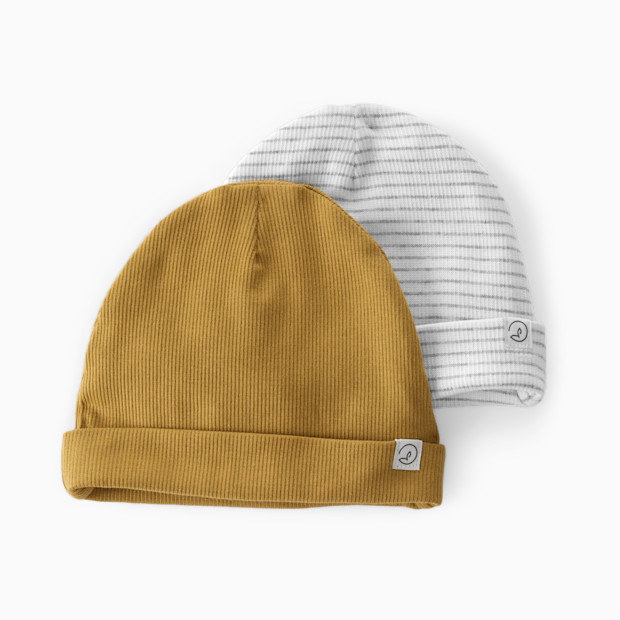
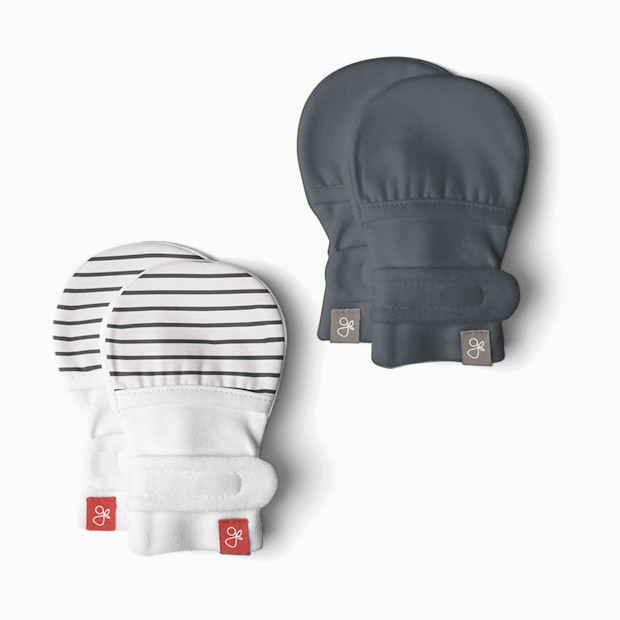
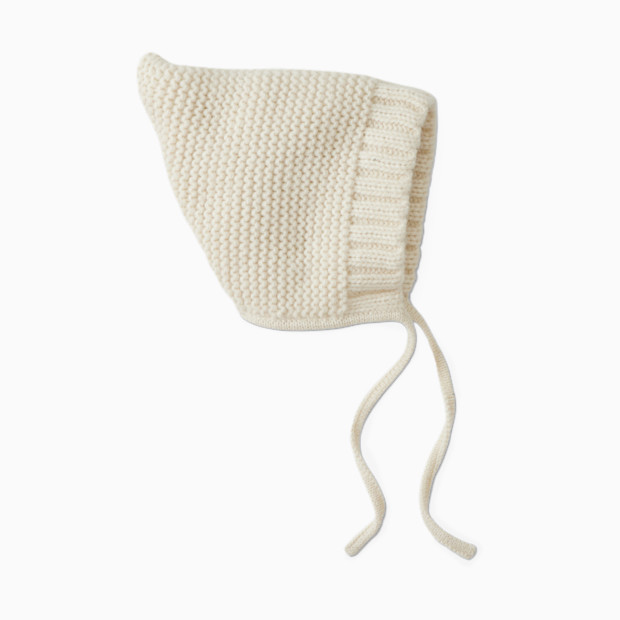
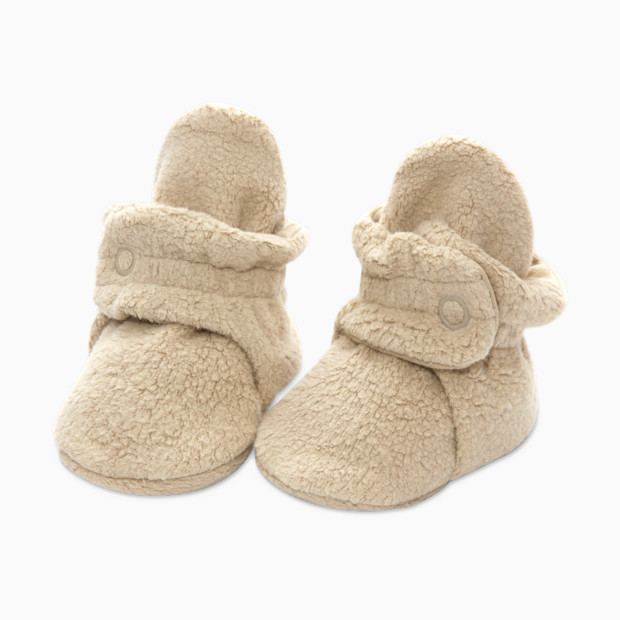
For colder climates, focus on heavier layers, fleece sleepers, warm hats and bunting suits.
-
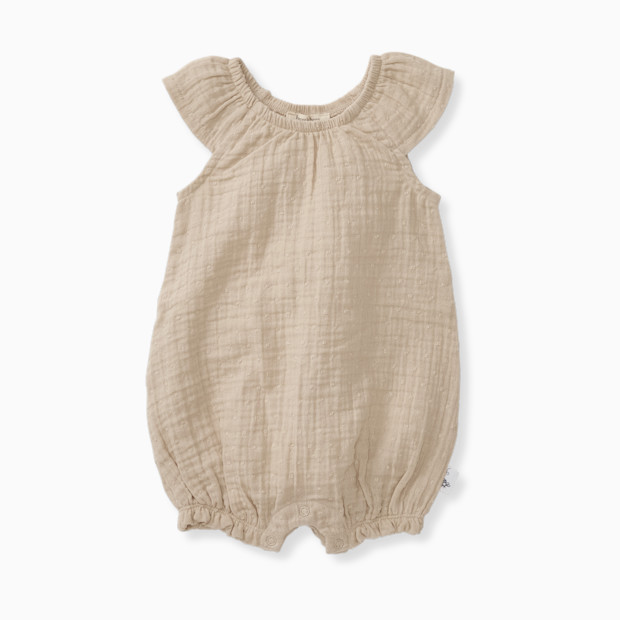
For warmer climates, aim for breathable cotton pieces, rompers and a sun hat.
2. Prioritize layers for versatility
Between seasons, the key is to choose versatile, layerable basics so you can adjust to temperature swings. They make it easy to adapt whether you're in air-conditioned indoors or warmer outdoor temps. This is also helpful if you live somewhere that experiences a wide range of temps in one day—layering is your friend!
A few ultra-layerable basics include:
-
Lightweight sweaters + cardigans
-
Long-sleeve bodysuits
-
Pants + leggings
Cold Weather Picks

Warm Weather Picks


;)
 - White, One Size","url":"https://www.babylist.com/gp/small-story-organic-cotton-grow-with-me-short-sleeve-bodysuits-10-pack/37725/1423017","source":"hello_baby"});)
;)
 - Playful Pups, 0-3 M","url":"https://www.babylist.com/gp/small-story-organic-cotton-2-way-zip-footie-2-pack/37720/1422981","source":"hello_baby"});)
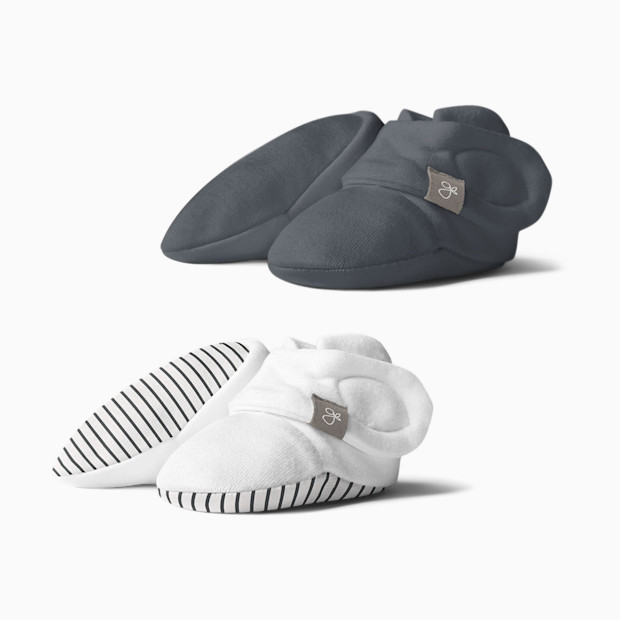
 - Stripe Gray/Midnight, 3-6 M","url":"https://www.babylist.com/gp/goumi-kids-stay-on-baby-booties-2-pack-1761846524/20349/455755","source":"hello_baby"});)
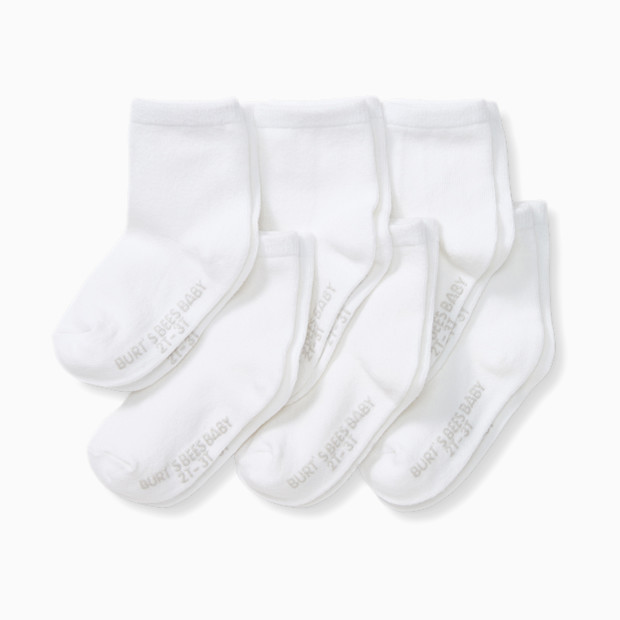
 - Cloud White, 3-12 M","url":"https://www.babylist.com/gp/burt-s-bees-baby-solid-crew-socks-6-pack/36178/2309827","source":"hello_baby"});)
;)
;)
 - Stripe Gray + Midnight, 0-3 M","url":"https://www.babylist.com/gp/goumi-kids-stay-on-baby-mitts-2-pack-1761846368/16253/338350","source":"hello_baby"});)
;)
;)
;)
;)
;)
;)
;)
3. Stock up strategically
When registering for larger sizes, only add items after double-checking that the size lines up with the season your baby will be in it. Basics (like bodysuits, sleepers, pants) are usually safe, but seasonal pieces—like swimsuits or coats—should match the right time of year.
Pro tip: Keep the tags on bigger items as long as possible. You may be able to exchange or resell if your baby doesn’t get to wear them.
Mix In Pre-Loved Clothes
Stocking up on clothes for all those sizes can add up quickly—which is why used baby clothes are such a great budget-friendly option. Whether you ask friends and family for their kids’ gently pre-loved pieces or you visit a secondhand store, used baby clothes always cost less (sometimes a lot less) than brand-new ones. And since babies outgrow everything so fast, pre-loved clothes usually still have plenty of life left in them, especially if you plan on having more little ones down the road. Long story short—if you have a friend asking if you’re open to hand-me-downs, say yes! It’s a win-win for both of you; they get to pass on some of their stuff and it saves you money.