Cups


Shop by Guide
Frequently Asked Questions
When should I introduce a sippy cup to my baby?
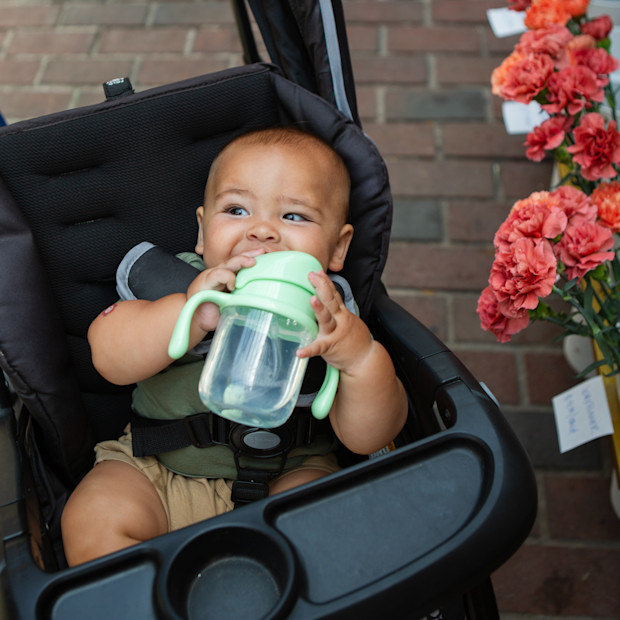
Most babies are ready for a sippy cup around 6 months when they can sit upright with minimal support. Start introducing one during meals to familiarize them with the concept.
What is the best sippy cup for babies?
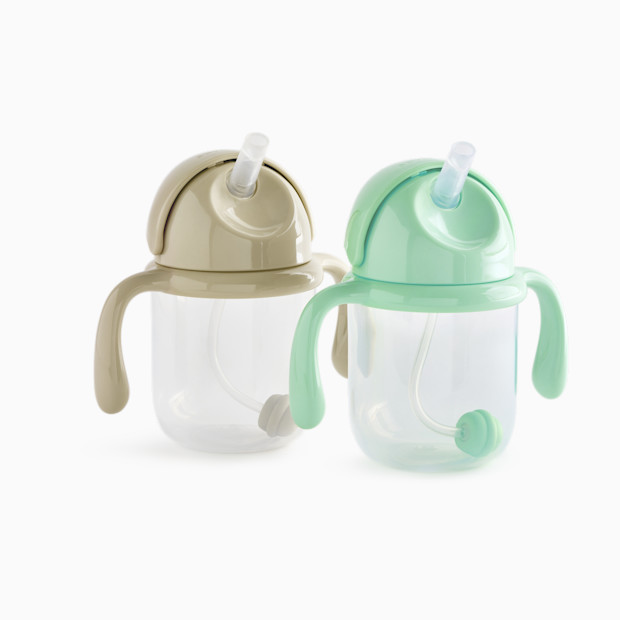
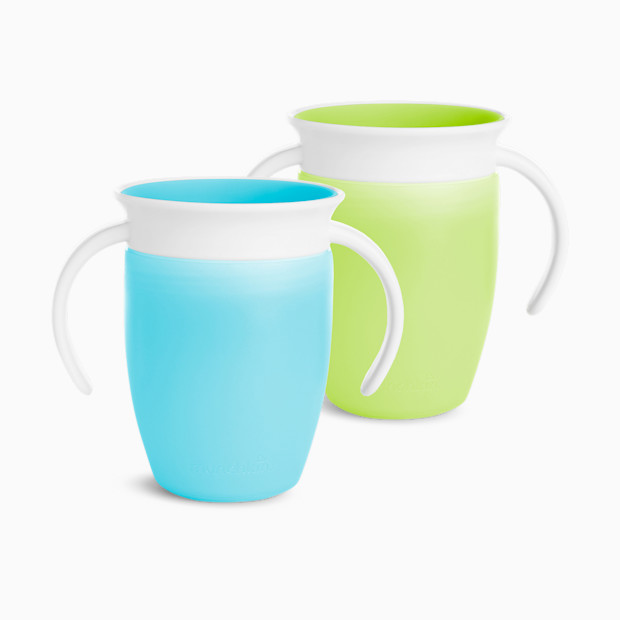
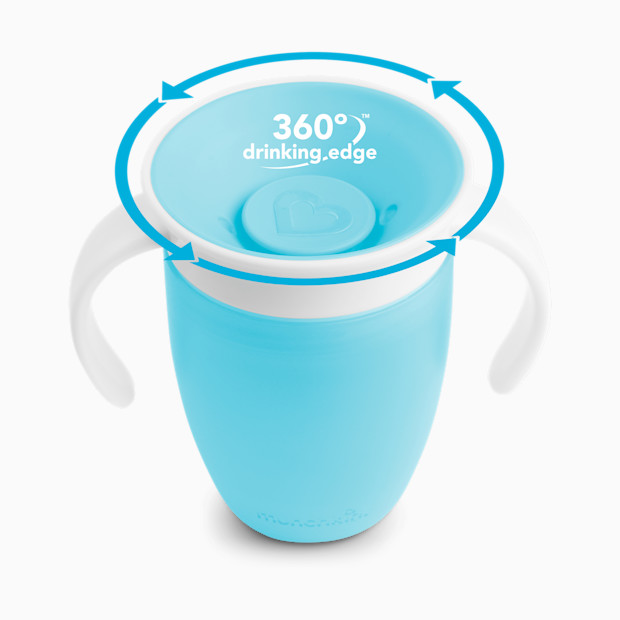
The best sippy cups have soft spouts that are easy for babies to latch onto, spill-proof designs, and ergonomic handles. Look for ones without BPA and with removable spouts for easy cleaning. Many parents prefer ones that transition from bottles naturally. Learn more in our guide, “The Best Sippy Cups to Help Transition Babies and Toddlers”.
What is the difference between sippy cups and straw cups?
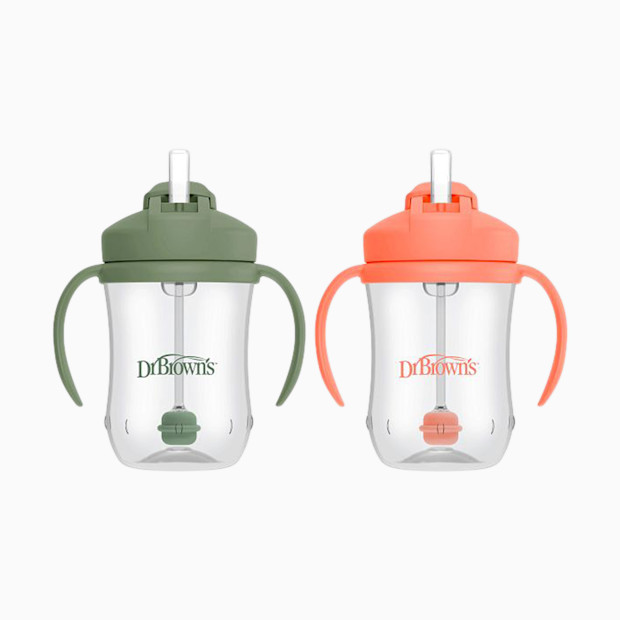
Sippy cups have a spout that mimics a bottle nipple, while straw cups require sipping through a straw. Straw cups are typically better for oral development and encourage proper drinking technique, while sippy cups are easier for younger babies transitioning from bottles. Curious which toddler straw cups our editors like best? Check our guide here.
How do you transition from bottles to sippy cups?
Introduce sippy cups gradually during meals while still offering bottles. Let your baby practice holding and drinking from the sippy cup without pressure. Many parents find success offering water first, then breast milk or formula as baby becomes more comfortable.
Are stainless steel or plastic sippy cups better?
Both have advantages. Stainless steel cups are durable and keep liquids at proper temperature longer, while plastic cups are lightweight and easier for babies to handle. Choose based on your lifestyle—stainless steel for durability, plastic for ease of use during travel.
Should I add sippy cups to my baby registry?
Yes. Sippy cups are essential as babies transition from bottles to cups. Register for a variety of styles so you can find what works best for your baby. Most parents need several cups to keep one always available while others are being washed.