
5 Common Baby Food Myths, Busted
The facts about first foods, allergens, purées and more.

By
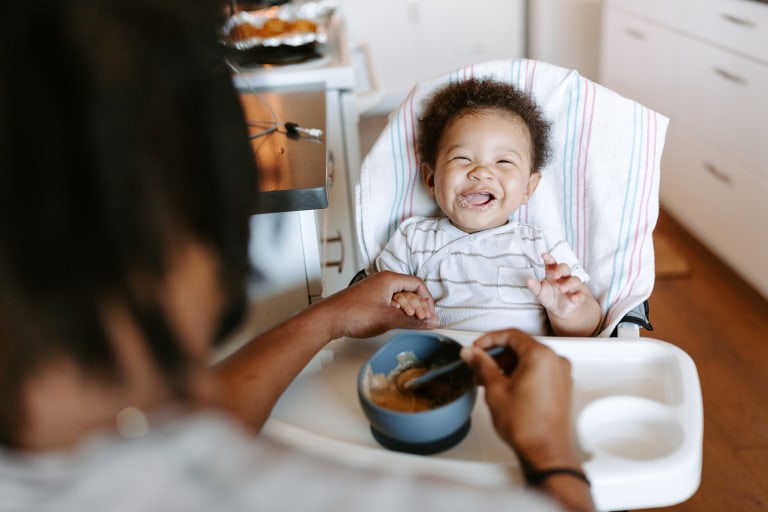
Starting solids has a way of inviting advice from every direction. One person says vegetables must come before fruit. Another insists homemade food is the only healthy choice. Meanwhile, you’re staring at your baby (and possibly a spoon they just launched across the room) wondering what actually matters.
The reassuring answer? There’s more than one way to feed a baby well. We teamed up with Gerber to separate five common baby food myths from the evidence-backed facts, so you can spend less time second-guessing every bite and more time helping your baby explore.
Myth #1: Homemade baby food is always better than packaged baby food
The fact: Both can be nutritious choices. The important things to consider are the ingredients, nutritional value, food safety and variety each option offers.
Homemade food gives you control over what goes into a recipe, but it also requires careful preparation and storage. Packaged baby food gives you convenience, consistent textures and nutrition labels. Plenty of families blend homemade meals with store-bought options depending on the day.
Recognizable ingredient lists and stage-based guidance, like what you'll find on Gerber baby foods, can help you understand what you're serving and whether the texture fits your baby's current skills. Whichever route you choose, safe handling matters; the FDA offers guidance for preparing and storing both homemade and packaged baby food.
Myth #2: Babies need to start with one specific food
The fact: There's no single "perfect" first food—or even a required order for introducing different food groups. Once your baby is developmentally ready, vegetables, fruits, meats, beans, lentils, yogurt and fortified infant cereals can all have a place on the menu.
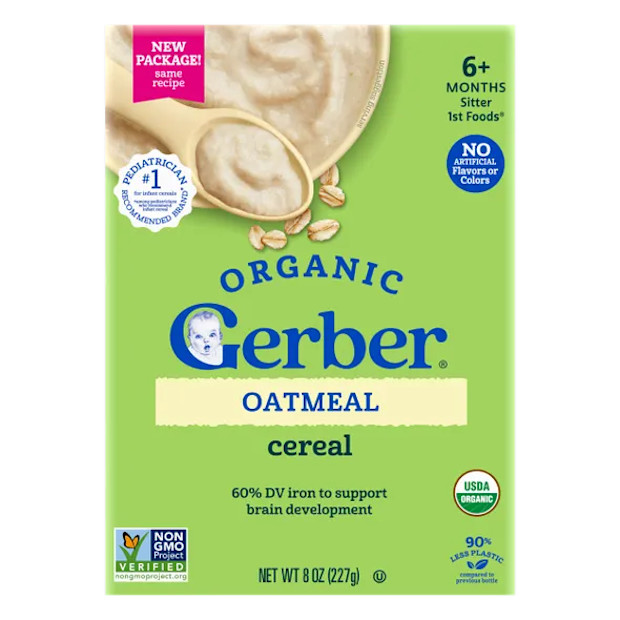
The CDC confirms that most children don't need foods introduced in a particular order, giving families room to choose an approach that works for them. If you're looking for a starting point, Gerber’s iron-fortified infant cereals and single-ingredient fruit, vegetable and meat purées are all reasonable places to begin
Myth #3: Starting with fruit means my baby won’t like vegetables
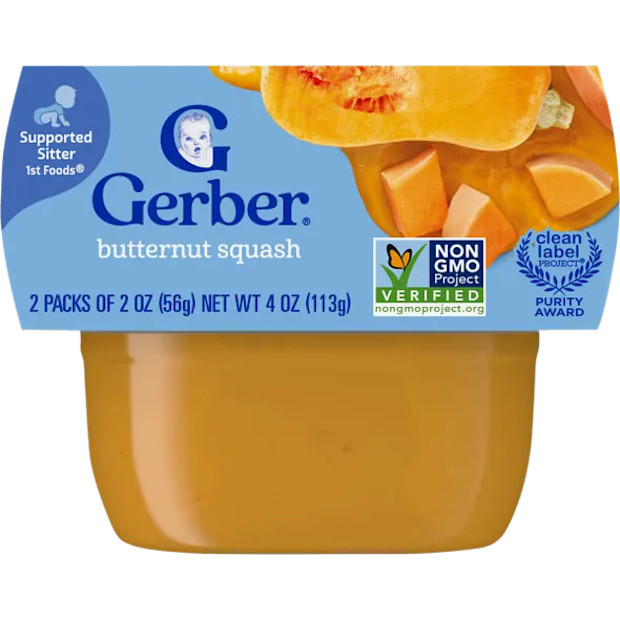
The fact: A first taste of banana doesn’t mean your baby will reject their peas. Babies are learning about every flavor they encounter, and familiarity develops through continued exposure to a variety of foods.
Your baby may enthusiastically accept one food and greet another with a deeply suspicious expression. That reaction isn't necessarily a final verdict. Research has found that repeated opportunities to taste a vegetable can increase babies' acceptance of it over time.
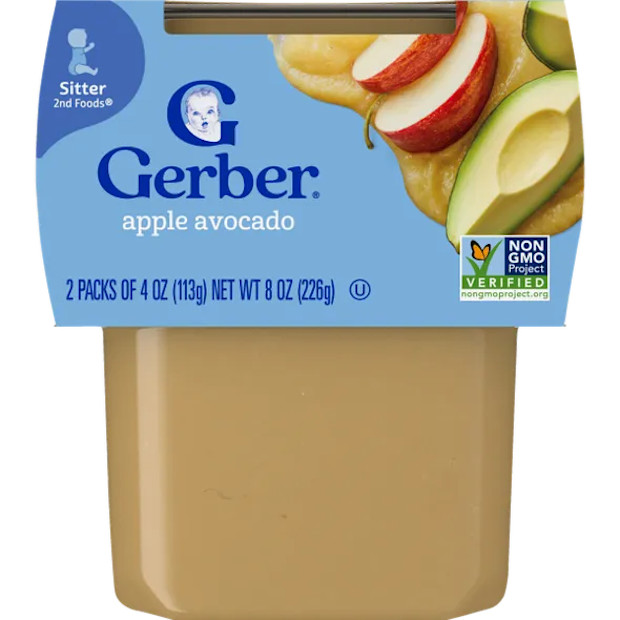
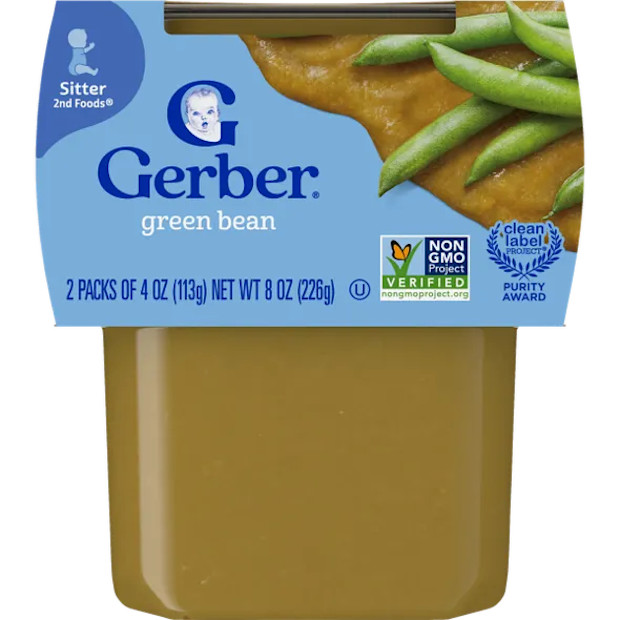
What matters more than the order is the range: keeping different flavors—fruit, vegetable, grain, protein—in rotation across weeks and months. Gerber's lineup includes all four categories, which makes it easier to build that variety.
Myth #4: You should delay common allergens
The fact: Current guidance supports introducing potentially allergenic foods—such as peanuts and eggs—along with other complementary foods once a baby is ready for solids, unless a healthcare provider recommends a different plan.
The food should be offered in a developmentally appropriate form: for example, smooth peanut butter can be thinned rather than served by the spoonful, and eggs should be thoroughly cooked and prepared in a texture your baby can manage.
If your baby has severe eczema, an egg allergy or another known risk factor, talk with their pediatrician before introducing peanuts. And whenever you offer a common allergen, choose a time when you can observe your baby afterward. This is one area where personalized medical guidance matters more than anyone else’s feeding timeline.
Myth #5: Babies should stay on smooth purées as long as possible
The fact: Smooth purées can be a useful starting texture, but babies can gradually explore thicker, lumpier and more varied textures as their feeding abilities develop.
Moving forward doesn’t have to happen overnight or according to a rigid calendar. Watch your baby’s skills and progress from smooth purées to thicker mashes, soft lumps and appropriately prepared finger foods. Exploring different textures helps babies practice chewing, picking up food and moving it around their mouths.
Gerber’s foods span different feeding stages, from smooth single-ingredient purées and cereals to thicker combinations and self-feeding options. Age-and-stage labels can offer a helpful reference, while your baby’s abilities tell you when they’re ready for the next experience.
When it comes to first foods, confidence doesn’t require doing everything one particular way. By checking ingredients, following your baby’s feeding skills and offering variety over time, you can make choices that work for your family—whether the food is homemade, from Gerber or a little of both. Your pediatrician is always the best resource for guidance tailored to your baby’s individual nutritional needs, allergy risk and development.
This article is sponsored by Gerber. Babylist’s free site, apps and emails are made possible by our sponsors. We limit our sponsored content to relevant partners that offer products and services we believe in and use ourselves.

;)
;)
;)
;)