
The 5 Biggest Baby Registry Mistakes, According to a Baby Gear Expert
And how to avoid them.

By
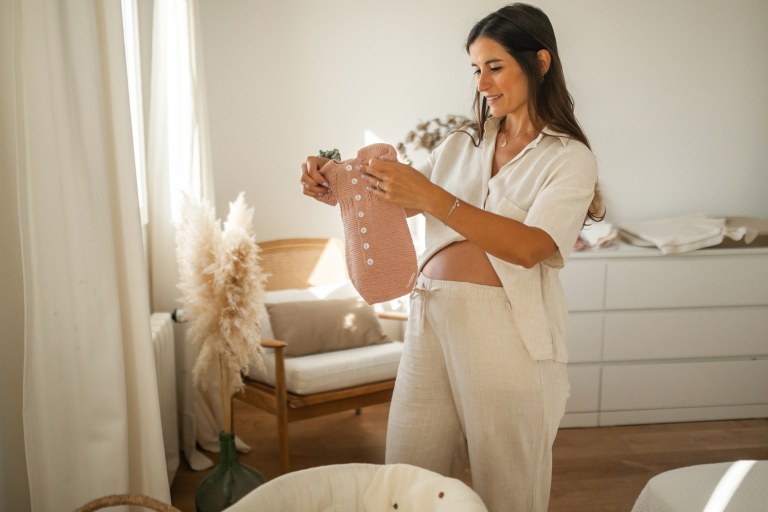
As Babylist’s gear editor and a Child Passenger Safety Technician (a CPST, someone who’s trained in car seat use and education), a good portion of my social media scrolling is taken up by baby gear reviews. And lately, I’ve noticed a particular type creeping in more and more: “don’t buy this” videos.
One mom complains that her stroller is too bulky. A dad swears a certain high chair isn’t worth it. Someone else is “de-influencing” me from a must-have registry item altogether.
I get why these videos resonate. And to be fair, sometimes they’re not wrong; there is baby gear out there that isn’t worth adding to your registry. But these videos got me thinking…is registry regret really about buying a universally “bad” product? Or does it come from how (and why) the decision was made in the first place?
Sometimes it’s choosing something that doesn’t fit your lifestyle. Other times, it’s not doing enough research, underestimating how quickly your needs will change or simply getting caught up in what everyone else is buying.
The good news? Once you know what to watch for, these mistakes are easy to avoid. Here are some of the biggest registry mistakes I see, and what to do instead.
1. ⛔ Not Considering Your Lifestyle
Lifestyle, lifestyle, lifestyle. As someone who’s written dozens of registry guides (and talked with hundreds of new and expecting parents), this is something I come back to constantly. Why? While popular baby gear is usually popular for a reason, your registry shouldn’t just be a list of bestsellers—it should reflect how you move through your day.
Strollers are where I see this mistake most often. I recently watched a “de-influencing” video where a new mom who frequently drives with her baby explained why one of the most popular full-size strollers on the market—and one of the best—wasn’t worth it. It’s so heavy! It’s so bulky! It takes up so much trunk space!
And she’s not wrong. If you’re lifting a stroller like this in and out of your car six times a day, it gets old fast. But those same features are also what make that stroller great; it’s sturdy, handles uneven terrain with ease and turns on a dime. The issue is that it simply didn’t match her lifestyle. The problem wasn’t the stroller—it just wasn’t the right stroller for her.
What to do instead
Spend a little time thinking about your lifestyle—where you live and how you move through your day—before committing to any gear you’ll use frequently, especially big-ticket items like strollers and car seats.
Consider things like:
Urban vs. suburban living
Stairs, elevators and the terrain you navigate most often
Storage space, both at home and in your car
The type of vehicle you drive—and how often you drive it
Travel frequency
If you’re a minimalist, a maximalist, live in a city, suburb or anywhere in between, we’ve got a sample registry to get you started:
A City Parent's Guide to Baby Gear—Here’s What You Actually Need
Maximalist Baby Registry Inspiration for Parents with Bold Taste
This Minimalist Baby Registry Will Keep Your Space Stylish and Clutter-Free
Going Green: Our Favorite Organic and Sustainable Baby Registry Picks
Baby on a Budget: Affordable Baby Registry Picks for Cost-Conscious Parents
And remember that the stroller, car seat or high chair you keep seeing all over TikTok might be great—but that doesn’t mean it’s the right fit for you.
2. ⛔ Not Doing Enough Car Seat Research
While I realize not everyone reads car seat manuals for fun (🙋🏻♀️ guilty…), this is one of the most important registry mistakes—and general new-parent mistakes—to avoid. The stakes are high, and a little bit of research can go a long way.
Car seats are complicated. There’s a lot of unfamiliar terminology, a huge number of options and an important factor many parents don’t initially consider: fit. Car seats, vehicles and babies all come in different shapes and sizes—and not all play well together. As a CPST, I often see parents-to-be add a seat to their registry based on looks, brand loyalty or advice from friends without spending nearly enough time learning about general car seat safety and usage or the intricacies of their particular seat.
What to do instead
Start by getting familiar with the basics: how different types of seats work, key safety concepts and common mistakes. These guides are a great place to begin:
The Best Car Seats for Every Stage—and What Parents Need to Know
Car Seat Safety Checklist: 6 Things to Do Before Baby Arrives
The 5 Most Common Car Seat Installation Mistakes—and How to Fix Them
Then dive into the specific seats you’re considering. (If you’re unsure where to start, our Best Infant Car Seats guide and Babylist’s Most Registered-For Car Seats and Strollers roundup can help.) Pay attention to particulars like vehicle size, parent and caregiver height (tall drivers especially), mobility concerns or any safety specifics outlined in your vehicle’s manual. You can also reach out to a CPST via the tech directory—many offer free car seat checks and hands-on help—or join a CPST-staffed online group like CarSeat Safety or Car Seats for the Littles.
Once you’ve finally found the right seat, read the manual—then read it again 😀. It’s the source of truth for your car seat and will tell you exactly how to use your seat safely.
3. ⛔ Assuming You’ll “Figure It Out Later”
I’ve been there, and I get it: building a baby registry is a LOT. It’s easy to focus on what’s right in front of you: diapers, clothes, bottles, a bassinet and a few big-ticket items like a stroller and a car seat.
But while postpartum may feel like it’s going in slow motion, the reality is that babies grow and change at breakneck speed. Many parents I talk to, for example, are shocked at how quickly they’re ready to switch from an infant car seat to a convertible seat, either because baby outgrows it or because they’re getting too heavy to lift.
I also hear from parents who are caught off guard by the cost of these next-stage items, wishing they had added them to their registry instead of paying out of pocket later.
What to do instead
Take advantage of your time before baby arrives to research what you’ll need over the first year, not just the first few months.
Two items parents most often tell me they wish they hadn’t waited on: a convertible car seat and a high chair. Other smart-to-add-now picks include feeding gear, a travel stroller and postpartum care (everything you panic order at 2 a.m. three days after delivery, I’m looking at you).
If it’s something you’ll need in the first year, don’t hesitate to add it to your registry.
4. ⛔ Adding Too Many Clothes
Baby clothes are cute. But you’re not the only one who thinks so—so does your mother-in-law, your great aunt, your cousin and your best friend from work.
I’ve talked to countless parents-to-be who added tons of baby clothes to their registries only to then be gifted dozens of outfits from everyone on their baby shower invite list. Babies grow fast, and six months in, you’ll be left with 20 outfits with the tags still on.
What to do instead
I can’t—and won’t!—stop you from adding baby clothes to your registry. Itty bitty matching sets? I am 100% here for it. But I will tell you to be a bit more intentional about it.
Add all the clothes you want, then step away from your registry for a few days. When you come back, cut about half. (Trust me.) Our How Many Baby Clothes Do I Need? guide can also help.
You’ll also want to think through sizing and seasonality. Babies move through sizes quickly, especially in the first six months. Instead of loading up on newborn or 0-3 month outfits, spread your picks across a range of sizes for the first year. And don’t forget to factor in the weather where you live—those fleece sleepers won’t get much use in the middle of summer.
5. ⛔ Prioritizing Aesthetics Over Function
Last but definitely not least, aesthetics. Trends drive almost every industry, and baby gear is no exception. But here’s the thing: you actually have to use this stuff. In some categories, prioritizing form over function is going to get frustrating fast.
Some of the most common examples I see:
Trendy diaper bags that don’t hold much
Aesthetic high chairs that are hard to clean
Minimalist nurseries that ignore storage
What to do instead
You don’t have to ignore your aesthetic when building your baby registry. (In fact, choosing items that fit your vibe is half the fun.) But for items you’ll use every day (and often multiple times a day), it’s better to focus on function over form.
The best baby gear is the kind that works for your real, everyday life, not just the version you see on TikTok.
💡 A Few More Mistakes to Avoid
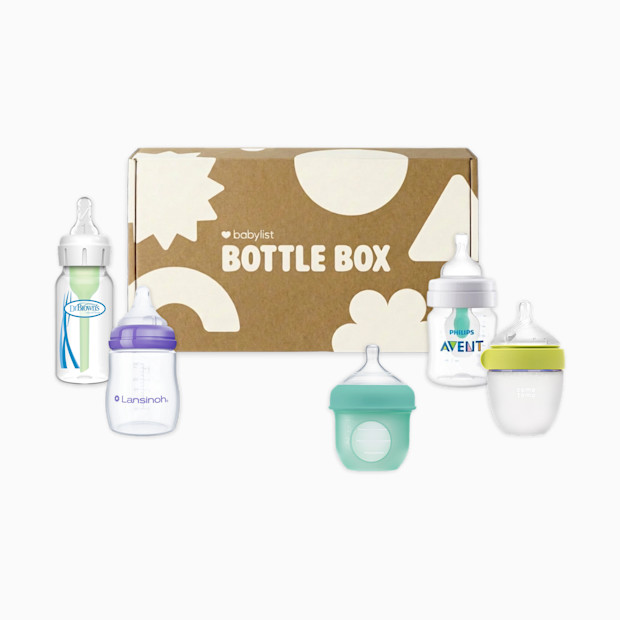
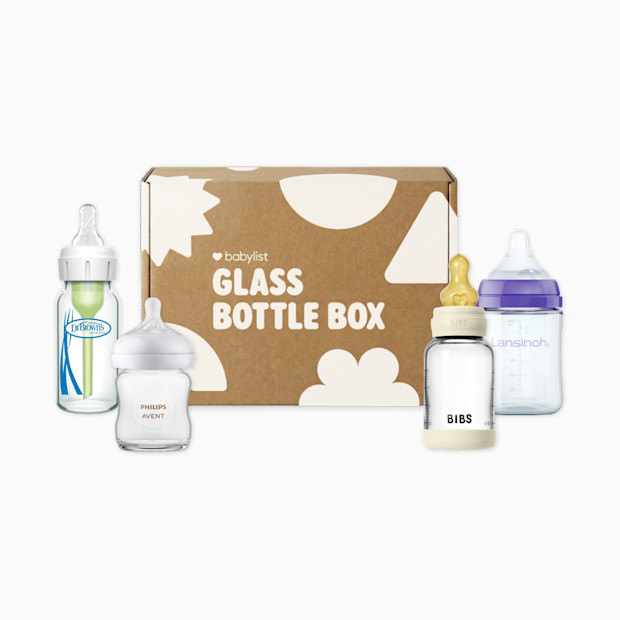
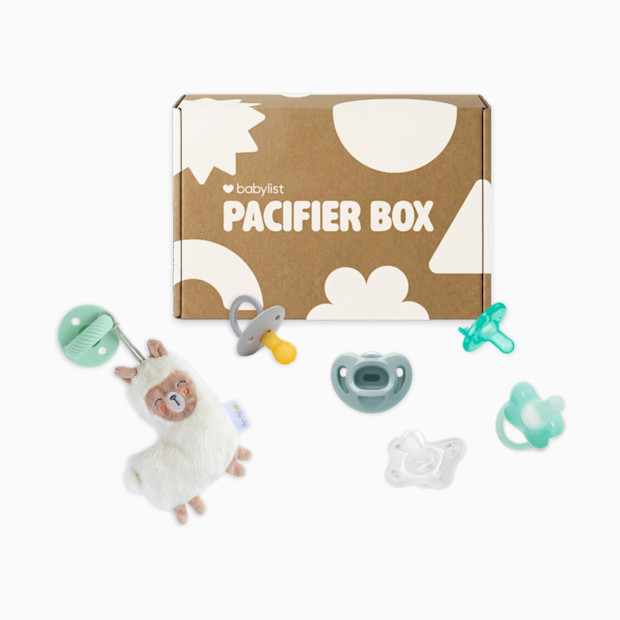
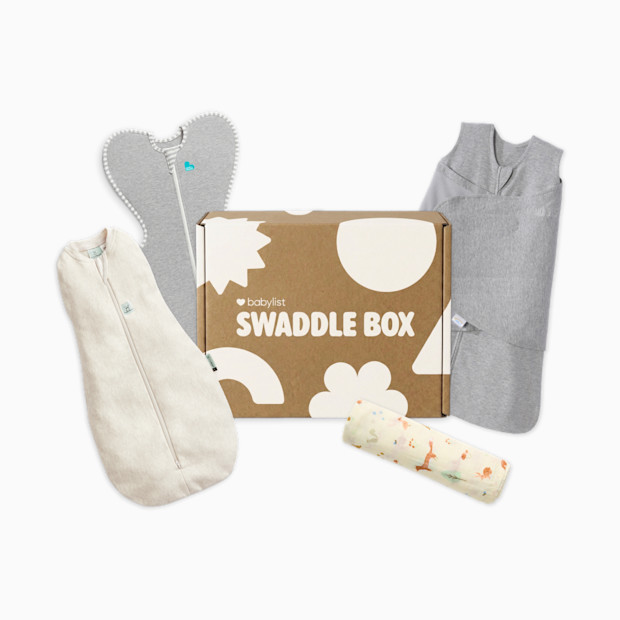
Here’s something you might not know before becoming a parent: Some babies have strong preferences around certain things. Where I see it the most is in feeding (bottles, nipple shapes, pacifiers) and swaddles. Don’t go overboard adding these types of items to your registry; instead, add small quantities of a few different types of these products, then stock up after you know what your baby prefers. Try-it kits are also a great solve for this, as they offer a bundle with a variety of different popular products. Check out Babylist’s Bottle Box, Glass Bottle Box, Pacifier Box and Swaddle Box.
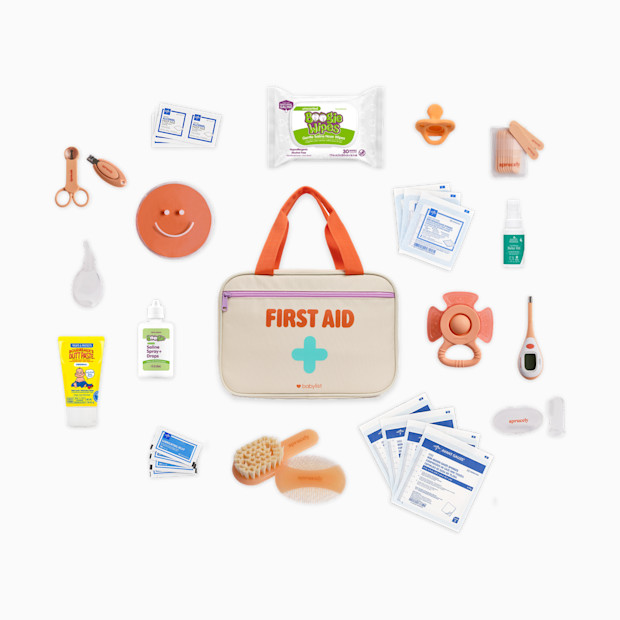
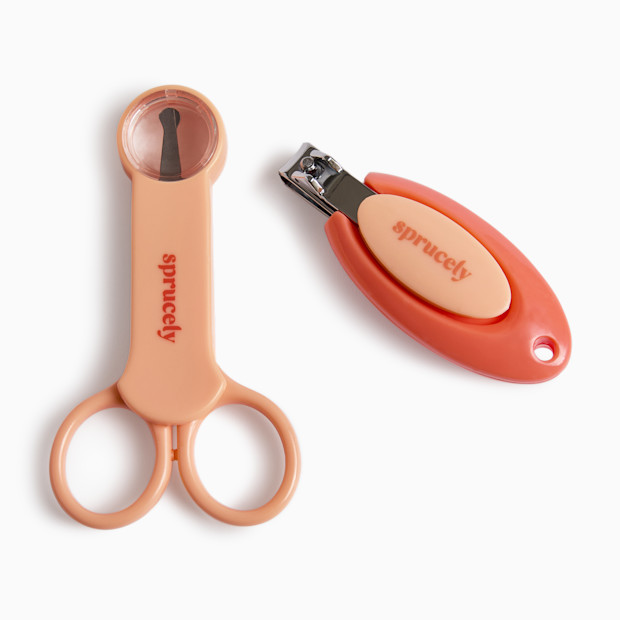
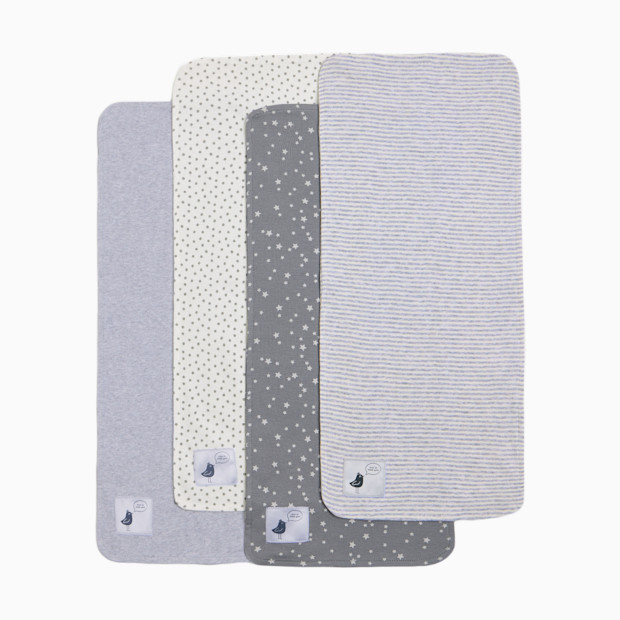
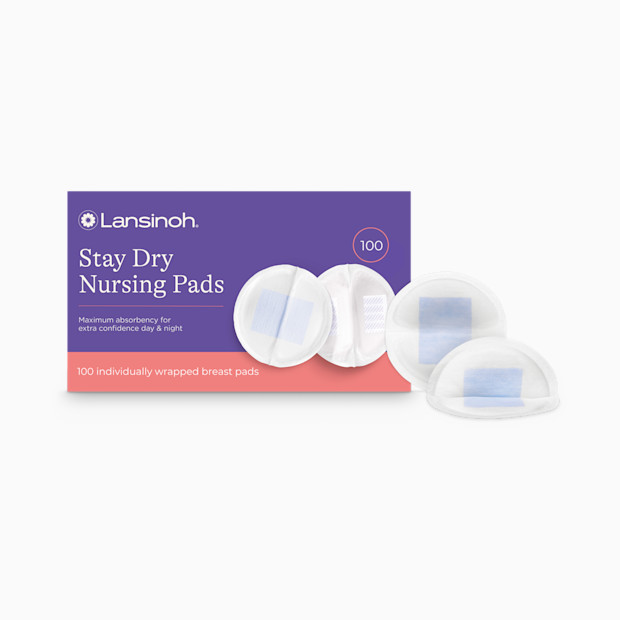
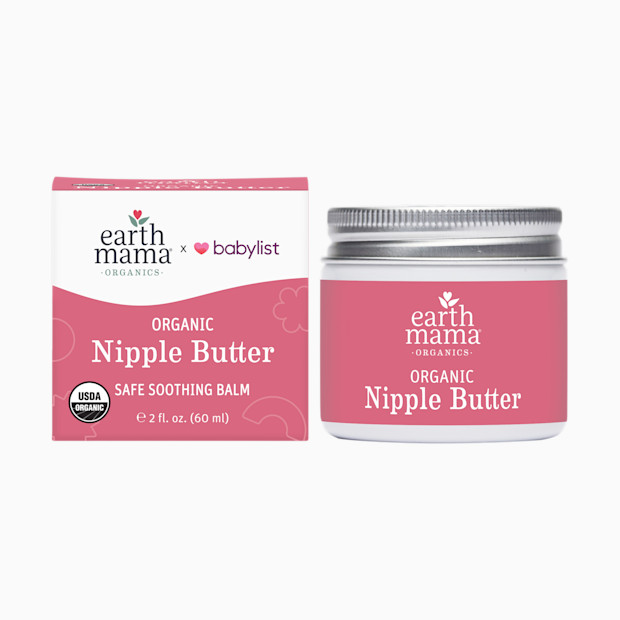
Don’t forget the boring stuff! Things like a first aid kit, nail clippers, burp cloths and postpartum care for you might not be the most exciting items on your registry, but they are often the most used.


;)
;)
;)
;)
;)
;)
 - Gray","url":"https://www.babylist.com/gp/small-story-organic-cotton-burp-cloth-4-pack/37724/2423836","source":"hello_baby"});)
;)
;)
;)